California Bill Could Criminalize Aspects of Investigative Journalism, Raising Concerns for Independent Reporters
California lawmakers introduced AB 2624 to address real threats faced by people working in immigration support. These include staff at nonprofits, legal clinics, and community centers who help immigrants with everything from paperwork to counseling. The proposal extends an existing address confidentiality program, letting eligible individuals apply for a substitute mailing address through the Secretary of State. This keeps their home details out of public records when they can show evidence of harassment or violence tied to their jobs.
Supporters point to documented cases of doxxing, courthouse protests, and coordinated online campaigns that have escalated in recent years. The bill defines personal information broadly to cover names, addresses, and images, including video footage that could identify someone. It aims to stop the sharing of that material when the clear purpose is to spark threats or harm. In practice, this gives workers a legal tool to push back without relying solely on police reports or civil suits after the fact.
How the Legislation Builds on Existing Programs
The framework draws directly from protections already in place for health care providers involved in reproductive or gender-affirming services. Those rules let people opt into confidentiality if they face public backlash for their roles. AB 2624 applies the same logic to immigration services, adding definitions for facilities that range from law offices to health clinics serving immigrant communities. Local agencies would have to use the protected address in records, and violations carry civil and criminal consequences.
This extension reflects a pattern in state law where specific groups get safeguards against intimidation. The bill includes legislative findings that highlight rising incidents linked to broader national debates on immigration. By creating new crimes for posting with harmful intent, it tries to deter bad actors while preserving access for legitimate public records requests in most cases. Critics still see room for overreach because the language around images and intent leaves room for interpretation during enforcement.
Criticisms from Assemblymember Carl DeMaio
Republican Assemblymember Carl DeMaio has been vocal in calling out the measure during committee hearings. He argues the language would let affiliated organizations demand removal of video evidence captured in plain sight, even when it shows potential misconduct at taxpayer-funded sites. DeMaio claims this setup shields powerful interests rather than addressing underlying fraud or waste. His office has labeled the effort an attack on transparency that could intimidate anyone filming publicly observable activity.
DeMaio confronted the author directly about how penalties might apply to watchdogs and citizen reporters. He warns that the bill sends a message: expose problems and face consequences. In his view, the focus should stay on fixing fraud instead of restricting the tools people use to document it. This stance has gained traction among those who see independent oversight as essential in a state with significant public spending on social services.
The Role of Independent Reporters Like Nick Shirley
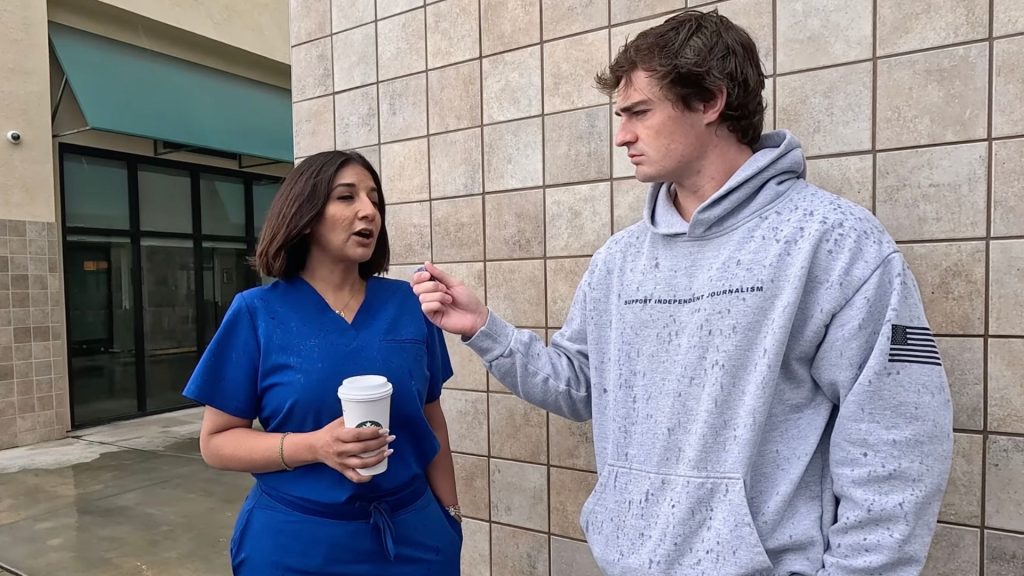
Nick Shirley, a young YouTuber known for his on-the-ground investigations, has become a flashpoint in the debate. He gained attention after releasing videos alleging widespread fraud in day care programs in another state, then turned his lens to similar operations in California. His footage often captures offices and facilities during regular business hours, highlighting what he describes as billing for services not provided. Many viewers credit him with drawing attention to issues that official audits might miss.
Opponents of the bill say Shirley’s work exemplifies the kind of scrutiny that could become riskier under the new rules. They note that filming employees or facilities in public spaces might trigger removal demands if the content embarrasses an organization. Shirley himself has spoken out, framing the proposal as a direct response to efforts like his that rely on open recording. His case illustrates how one person’s reporting can spark both public awareness and legislative pushback.
Potential Legal Consequences for Publishers
If passed, the bill would make certain online postings misdemeanors punishable by fines up to ten thousand dollars and up to a year in jail. Civil remedies could also apply, allowing affected individuals to seek court orders for content removal before any trial concludes. The prohibitions target knowing distribution of personal details or images when the goal involves inciting harm or threats. This creates a pathway for quick takedowns that some fear could chill reporting even when the underlying facts are accurate.
Enforcement would fall to prosecutors and courts, with agencies required to honor confidentiality requests in their records. The measure does not carve out broad exemptions for all journalism, which raises questions about how intent gets proven in practice. A reporter posting video to inform the public might argue their purpose differs from harassment, but the process of defending that in court could still impose significant costs and delays.
Questions Around Public Filming and Accountability
Public spaces around government-funded facilities have long served as legitimate spots for documentation. The bill’s focus on images that identify individuals could complicate routine coverage of operations that receive taxpayer dollars. Independent reporters often rely on visible activity outside buildings to build cases about efficiency or compliance. If organizations can claim affiliation and seek removal, the practical effect might limit what stays online long enough for audiences to see it.
This tension sits at the heart of the debate over government transparency. Supporters maintain the law targets only malicious intent, not legitimate oversight. Yet the absence of explicit protections for matters of public interest leaves room for selective application. Watchdogs worry that in a politically charged environment, the rules could favor institutions over the people scrutinizing them.
Broader Implications for Free Speech in California
California already maintains some of the nation’s strongest public records laws, designed to keep government operations visible. Extending privacy shields to entire categories of service providers tests the balance between individual safety and collective accountability. Free speech advocates point out that courts have historically protected filming in public when it serves journalistic ends. The new prohibitions might invite legal challenges if they sweep too broadly into protected expression.
The conversation echoes past efforts to regulate online content in response to harassment. While no one disputes the need to protect workers from genuine threats, the mechanism chosen here shifts power toward those being watched. Lawmakers on both sides will need to weigh whether the safeguards can operate without undermining the press’s role in exposing waste or abuse.
Current Status and What Comes Next
As of mid-April 2026, AB 2624 has moved through early committee stages with amendments refining its language. It remains under review in the Assembly, where fiscal and policy analyses continue. The author and co-sponsors, mostly Democrats, emphasize the measure’s narrow focus on proven threats rather than blanket restrictions. Public hearings have highlighted both the urgency of worker protections and the concerns about unintended effects on reporting.
If it advances further, expect more amendments and floor debate that could clarify exemptions or narrow the definitions. For now, the bill serves as a test case for how California handles the collision between privacy rights and investigative work. Independent reporters and advocacy groups are watching closely, ready to weigh in as the process unfolds. The outcome could influence similar proposals in other states facing comparable pressures.

Asher was raised in the woods and on the water, and it shows. He’s logged more hours behind a rifle and under a heavy pack than most men twice his age.