Fact Check: Examining the Claim About U.S. Troops and “Armageddon”
Claims that U.S. troops are being told a potential war with Iran is meant to bring about “Armageddon” have jolted a military already stretched by global crises. At stake is not only whether specific commanders crossed ethical and legal lines, but also how apocalyptic rhetoric intersects with nuclear fears that national leaders themselves have invoked. The allegation forces a hard look at how faith, politics, and war planning are colliding inside American institutions that are supposed to remain under secular, constitutional control.
Fact-checking this controversy means separating what individual officers may have said from what U.S. policy actually is, and weighing watchdog complaints against the military’s own rules. It also requires placing talk of “Armageddon”, from the barracks to the White House, in a wider context of Christian nationalism, nuclear risk, and the pressures of long-running conflict.
The explosive claim about U.S. troops and “Armageddon”
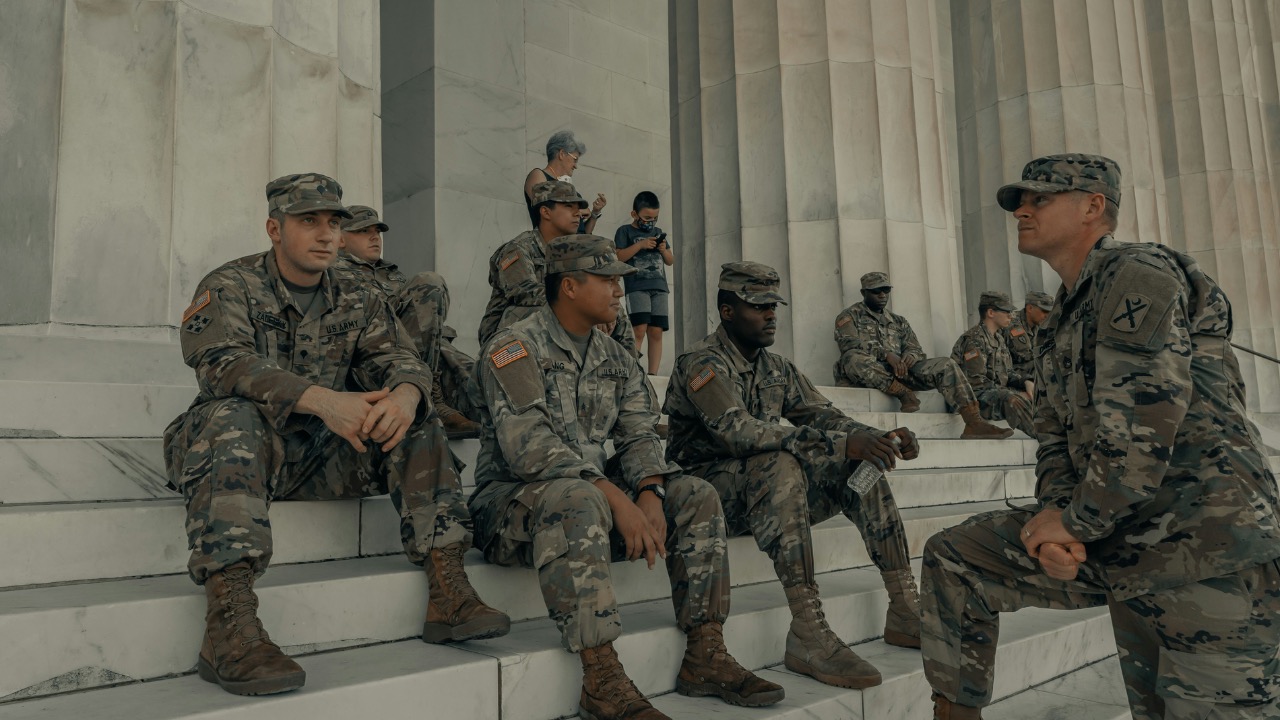
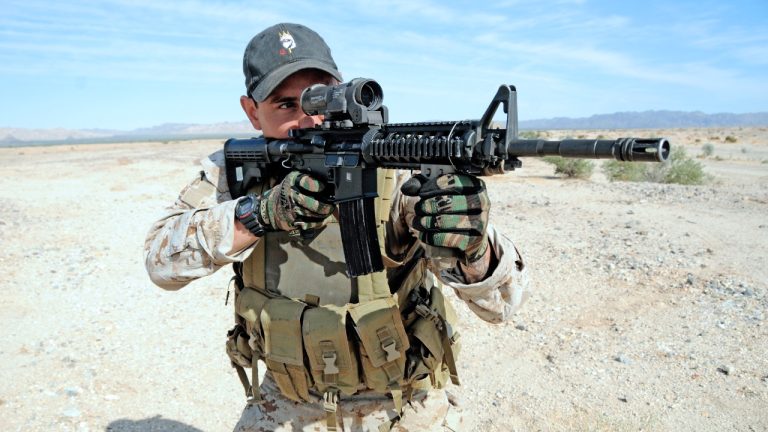
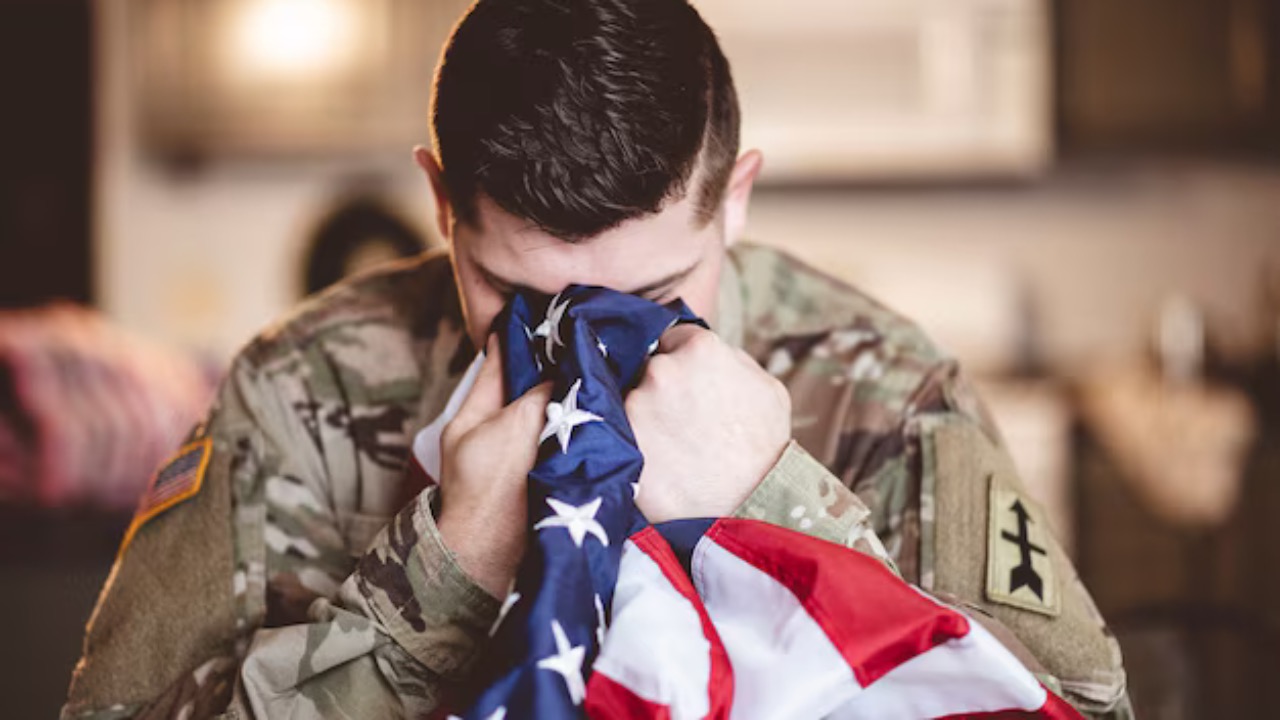
The central allegation is stark. According to a watchdog account from WASHINGTON, American service members across every branch say some commanders have framed a possible U.S. and Israeli conflict with Iran as part of a divine plan to trigger Armageddon and the return of Jesus. The report describes troops being told that an Iran war is intended to bring about a prophesied end-times scenario, with the language of holy war entering briefings about deployments and combat missions linked to Israel and Iran.
The same watchdog says it has received more than 200 complaints from U.S. service members who describe commanders using explicitly Christian end-times rhetoric to justify war preparations. In that account, the alleged comments portray the Iran conflict as “God’s divine plan” and present Armageddon not as a catastrophe to avoid but as a desired endpoint of history. The scale of the complaints, and the claim that they span every branch of the American military, give the allegation a weight that goes beyond a single off-script officer, even as the identities of many complainants, if any, were not known in public reporting.
Who is raising the alarm and what they say is happening
The most detailed descriptions of the alleged rhetoric come from The Military Religious Freedom Foundation, a group that has long challenged sectarian pressure inside the ranks. The organization says it has been inundated with over 200 calls from members of the U.S. military who report commanders tying war with Iran to prophecy about the end times. According to one complaint cited by the group, a U.S. Army commander told troops that “Trump has been anointed by Jesus to wage war on Iran” and that such a war would help mark Christ’s return to Earth.
MRFF founder Mikey Weinstein has argued that this is not just “one rogue commander” but reflects a broader current of Christian nationalist thinking in parts of the force. In an interview, he said the group’s caseload is “well in excess of 200 [complaints] and well in excess of 50 installations,” a spread that he interprets as evidence that extremist Christian rhetoric is circulating across multiple bases rather than being confined to a single unit. The complaints describe language that merges biblical prophecy, partisan politics, and operational briefings in ways that alarm both religious minorities and Christians who see it as a distortion of their faith.
How many complaints and where they are coming from
Numbers sit at the heart of any fact check, and here the figures are unusually specific. One public summary states that over 200 complaints say U.S. commanders told troops the Iran war is part of “God’s divine plan” to bring about Armageddon. Another account of Key Developments similarly reports that a watchdog group has received more than 200 complaints from U.S. service members, with troops alleging that commanders used end-times language as they prepared for possible deployment. These figures are presented as direct tallies from the advocacy group’s intake.
The geographic spread is also part of the claim. Mikey Weinstein’s reference to “well in excess of 50 installations” suggests that the reports do not cluster in a single region but instead reach across the United States and potentially overseas bases as well. Social media posts amplify this picture, with one widely shared summary stating that United States troops have reported that some military commanders are using extremist Christian “end times” rhetoric to justify war. While those posts rely on the same underlying complaints rather than independent verification, they show how quickly the 200 figure and the idea of a multi-base pattern have shaped public perception.
What troops and one NCO say the impact has been
Beyond raw numbers, the content of the complaints points to morale and cohesion problems inside units touched by this rhetoric. One NCO quoted in a public post warned that talk of war with Iran as a biblical prophecy is “not only tanking morale, but violating constitutional oaths,” especially for troops who do not share the specific Christian nationalist outlook. That NCO described the language as “holy war” rhetoric, a framing that can undermine trust in commanders’ judgment and in the neutrality of military decisions about life and death.
Other complaints described by MRFF depict service members who feel cornered between their own beliefs and their chain of command. Some are Christians who object to seeing the Book of Revelation repurposed as an operational roadmap, while others are Muslims, Jews, or nonreligious personnel who experience the rhetoric as exclusionary and threatening. The fear is that once war is presented as God’s will rather than a last resort under civilian authority, dissent within the ranks can be cast as spiritual failure instead of a legitimate ethical concern, which in turn may chill reporting of abuses or illegal orders.
Specific allegations about a commander and the Book of Revelation
One of the most detailed complaints centers on a U.S. Army commander whose words have now circulated widely. Per the complaint in the report, the commander “specifically referenced numerous citations out of the Book of Revelation referring to the final battle of Armageddon” while addressing troops about Iran. The same account says the commander described former president Trump as “anointed by Jesus” and suggested that conflict with Iran would help fulfill those prophecies, tying a modern war plan directly to apocalyptic scripture.
Coverage of that complaint notes that the language sparked immediate backlash among some soldiers, who saw it as a clear breach of the constitutional line between personal faith and official duty. A separate summary of military officers accused of framing the Iran war as a biblical mandate reports that complaints include personnel from different backgrounds, including at least one Muslim and one Jew, who experienced the remarks as hostile. In that reporting, MRFF and Mikey Weinstein argue that when a commander uses the Book of Revelation in this way, it can look like an endorsement of a specific religious and political ideology as the unofficial doctrine of the unit.
How Military Religious Freedom Foundation and others frame the stakes
The Military Religious Freedom Foundation presents the episode as part of a larger struggle over Christian nationalism in the armed forces. In one public description, MRFF’s founder, Mikey Weinstein, says this is not just a matter of one commander but evidence that a portion of the command is using this framing of Iran and Armageddon to influence troops. A post shared by Mar TBS News highlights his warning that extremist Christian rhetoric about biblical prophecy is bleeding into official military communication, with references to Christian nationalism as a political current that reaches into the chain of command.
Other commentators echo that concern, arguing that if commanders cast war decisions as obedience to God rather than to the Constitution, they risk eroding the principle of civilian control. One widely circulated opinion piece, titled in part Military Leaders Say Iran War Is So Trump Can Bring About Armageddon, attributes to Ellie Quinlan Houghtaling the argument that such rhetoric places loyalty to a former president and a particular reading of prophecy above the oath to support and defend the Constitution. The author warns that, without clear messaging from top leadership that this language is unacceptable, the perception will grow that the institution tolerates or even encourages it.
What official rules say about religion, war, and command authority
U.S. military policy draws a sharp line between personal religious belief and official endorsement. Regulations allow service members to hold and express faith, but commanders are barred from using their authority to promote a particular religion or to suggest that military operations serve a sectarian goal. When a commander tells subordinates that a specific war is part of God’s plan or that a political leader has been “anointed by Jesus” to wage it, critics argue that this crosses into prohibited endorsement and coercion, especially when the comments occur in a mandatory formation or briefing.
MRFF and allied voices say the Iran and Armageddon complaints fit a pattern they have documented for years, in which some officers blend evangelical Christian language with operational guidance. They argue that this pattern violates the Establishment Clause and internal regulations meant to protect religious freedom for all troops, including Christians who do not share a nationalist or apocalyptic outlook. While the Pentagon has not publicly confirmed the specific allegations described in the 200 complaints, the sheer volume reported by The Military Religious Freedom Foundation has intensified calls for formal investigations and clearer enforcement of existing rules.
How this rhetoric intersects with Biden’s own “Armageddon” warnings
The controversy inside the ranks unfolds against a backdrop where national leaders have themselves used the word “Armageddon” in public. President Biden has warned in the past that the risk of nuclear “Armageddon” is at its highest level since the Cuban missile crisis, a phrase that drew global attention. A detailed account of his nuclear briefings describes how advisers walked him through worst-case scenarios involving Russia and Ukraine, and recounts Gen Mark Milley, the chairman of the Joint Chiefs of Staff, explaining what he called “the nuclear paradox” as the administration weighed deterrence and escalation.
Another report on Biden’s Armageddon moment notes that his warning was not the kind of message any American president could dismiss, given the stakes of potential nuclear detonation in Europe. In that narrative, the word Armageddon is used as a metaphor for catastrophic nuclear war and is meant to convey urgency about avoiding such an outcome. The contrast with the alleged rhetoric in the barracks is sharp. Where Biden and advisers like Gen Mark Milley invoke Armageddon to stress the danger of nuclear conflict, the complaints from troops describe some commanders treating Armageddon as a promised climax that war with Iran might help deliver.
What the broader media and advocacy ecosystem is adding
Multiple outlets and social media accounts have amplified the watchdog allegations, sometimes with their own framing and emphasis. One widely shared post states that United States troops have reported that some military commanders are using extremist Christian “end times” rhetoric to justify war preparations. Another summary notes that over 200 complaints say U.S. commanders told troops the Iran war is part of God and Armageddon, casting the issue as part of a global conversation about Christian nationalism and conflict in the Middle East.
Additional coverage has followed citation trails back to the original watchdog reporting, including links through nsosyal.com that connect to Anadolu Agency material about Iran and Armageddon, and references on platforms like Facebook and Twitter that repeat the same core allegations. A separate link to arts and education projects, including artscanvas.org and studentreportinglabs.org, appears in the context of broader coverage about Biden, Armageddon, and Cuban missile crisis-level risk. Together, these references show how a cluster of stories about Iran, biblical prophecy, and nuclear fear has merged into a single narrative space, even though they arise from distinct events and actors.

Asher was raised in the woods and on the water, and it shows. He’s logged more hours behind a rifle and under a heavy pack than most men twice his age.