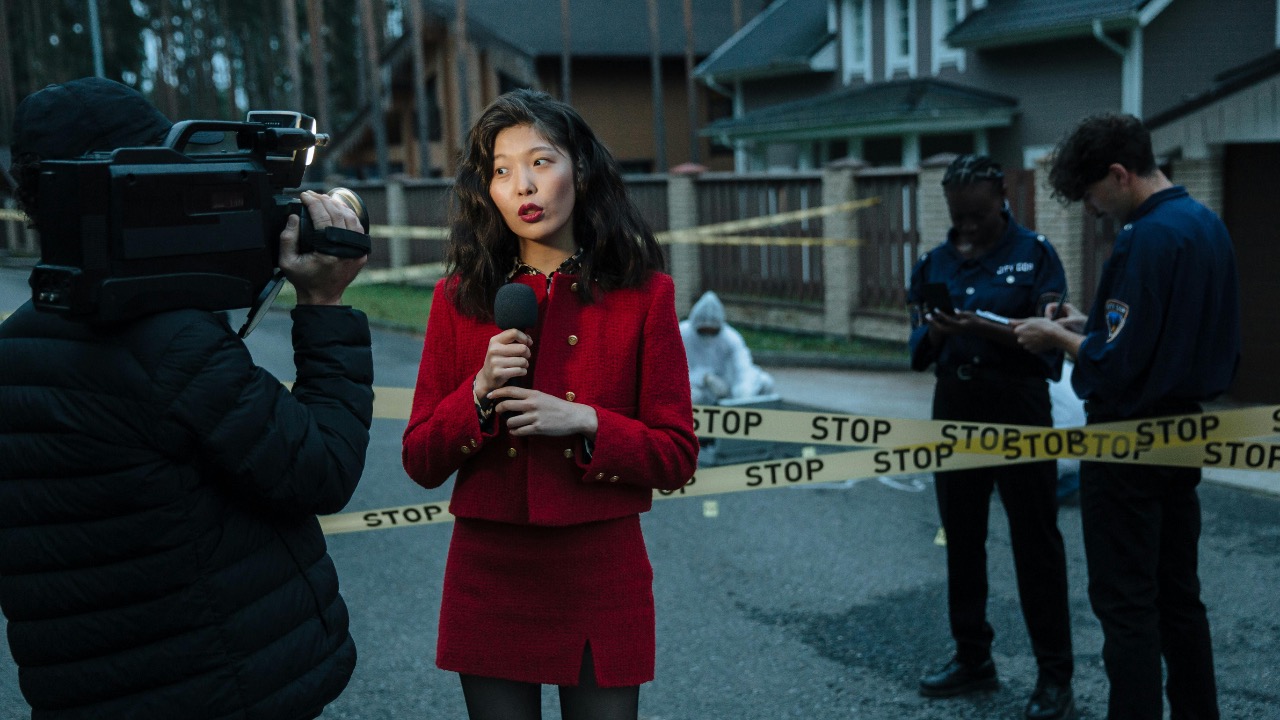
California Bill Could Make Some Investigative Journalism Illegal — Impact on YouTubers and Reporters
A new California bill has sparked controversy after critics claimed it could limit how investigative journalism is done, especially for independent creators. The debate centers on AB 2624, which opponents say could expose journalists and YouTubers to penalties if their reporting involves certain organizations or locations.
Supporters of the bill say it is meant to protect vulnerable groups and prevent harassment or targeted exposure online. Critics argue it could blur the line between reporting and wrongdoing, especially for creators who film public spaces or investigate alleged fraud.
What the bill is trying to address
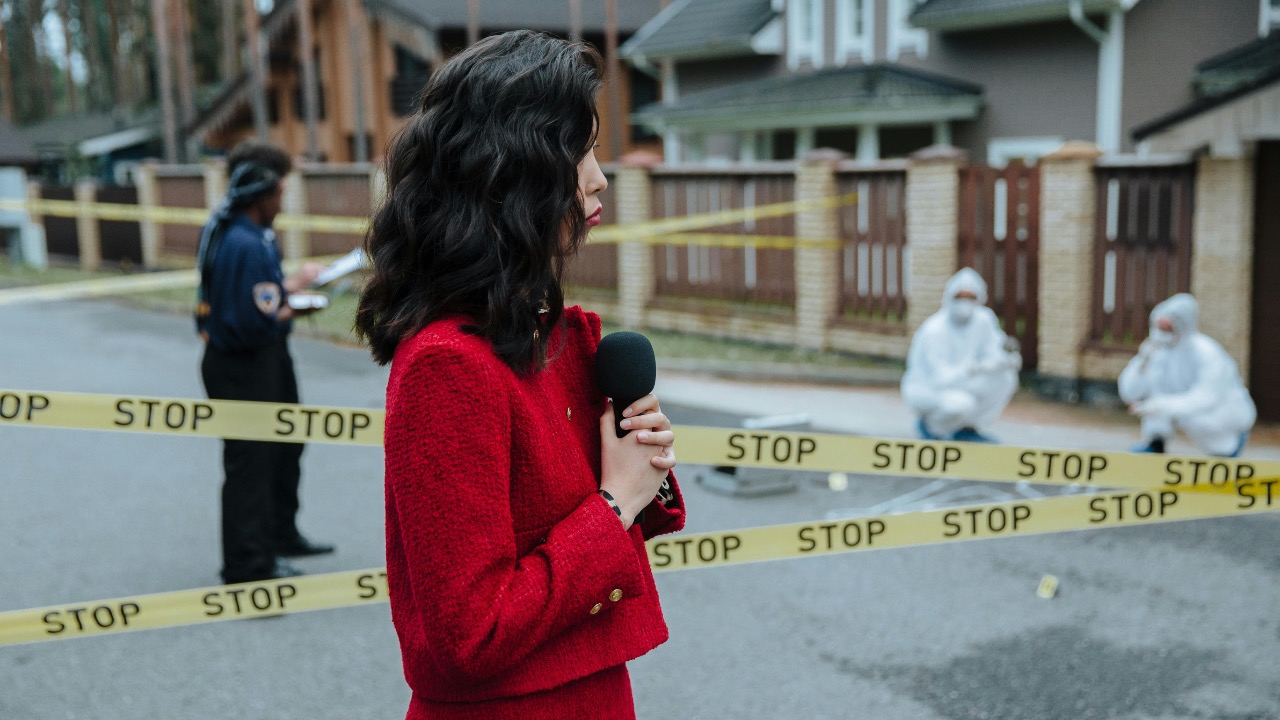
The legislation has been described by supporters as a response to concerns about privacy, safety, and harassment involving organizations that provide social services. Lawmakers backing it argue that some groups have faced intimidation after being featured in online videos.
Opponents say the wording could be interpreted too broadly, potentially affecting how public reporting is done. They worry that even filming in public or publishing investigative videos could become risky if it is seen as targeting protected groups.
Why YouTubers and independent reporters are reacting strongly
Independent journalists and YouTubers have been some of the loudest voices criticizing the proposal. They argue that much of their work depends on filming in public spaces and documenting conditions firsthand.
Creators say unclear rules could discourage reporting on controversial topics, especially when content involves government-funded programs or nonprofits. Supporters of the bill push back, saying legitimate journalism is not the target, but rather harassment disguised as reporting.
Free speech concerns and legal debate
The biggest concern raised by critics is whether the bill could conflict with First Amendment protections. Legal observers note that any law affecting reporting standards has to be carefully written to avoid restricting lawful journalism.
At the same time, supporters argue that current online behavior sometimes crosses into doxxing or intimidation, and that clearer boundaries are needed. The debate has become less about one bill and more about where reporting ends and harassment begins.
What happens next
The bill is still moving through the legislative process, meaning changes are likely before anything becomes law. Lawmakers are expected to face pressure from both free speech advocates and groups supporting tighter protections.
For reporters and content creators, the outcome could shape how investigative work is done in California, especially for those who rely on public filming and online distribution as their main tools.

Leo’s been tracking game and tuning gear since he could stand upright. He’s sharp, driven, and knows how to keep things running when conditions turn.