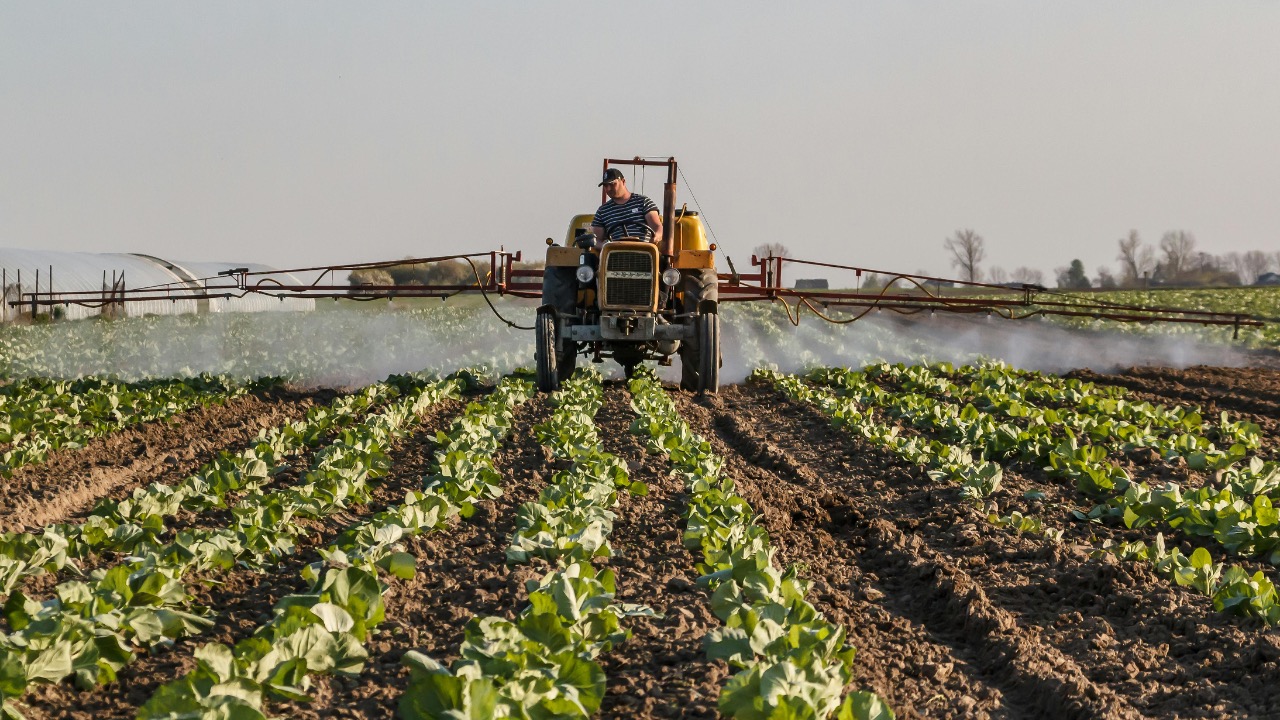
Trump’s Proposed USDA Cuts Spark Alarm Among Farmers, Ranchers and Rural Towns
Proposed budget cuts tied to the U.S. Department of Agriculture have drawn concern from farming groups, ranchers, and leaders in rural communities. The discussion centers on whether reduced federal funding could impact long-standing support programs that many agricultural regions rely on for stability.
The proposals, associated with former President Donald Trump’s policy direction, are being debated as part of broader discussions about shrinking federal spending. While supporters say the changes are meant to reduce government costs, critics warn that rural areas could feel the effects first if key programs are reduced or scaled back.
Concerns from farming and ranching communities

Farmers and ranchers are raising concerns that cuts could affect crop insurance support, disaster relief programs, and agricultural loans. These programs are often used as safety nets when weather, market prices, or supply chain disruptions hit hard.
In rural areas, even small reductions in federal assistance can have a noticeable impact. Local agricultural groups say uncertainty around funding makes it harder for producers to plan ahead, especially in regions already dealing with unpredictable weather patterns and rising operational costs.
Rural towns worry about wider economic effects
Beyond farms and ranches, small towns that depend on agriculture-related income are also paying attention. Many rural economies rely on spending tied to farming cycles, equipment purchases, and federal program support that flows through local banks and businesses.
If funding slows down, local leaders worry it could affect employment at agricultural supply stores, transport services, and food processing facilities. Some also point out that population decline in rural areas could accelerate if economic pressure increases over time.
Supporters defend the proposed spending changes
Supporters of the proposed cuts argue that reducing federal spending is necessary to control long-term government debt and rework how assistance programs are structured. They say the agricultural sector should rely more on private markets and less on federal support systems.
They also argue that some USDA programs need restructuring to reduce inefficiencies and ensure funds are directed more precisely. However, there is ongoing debate over whether such changes would strengthen or weaken rural economies in practice.

Leo’s been tracking game and tuning gear since he could stand upright. He’s sharp, driven, and knows how to keep things running when conditions turn.