12 Rivers So Deadly That Even Experts Won’t Go Near Them
You spend enough time around water, you learn respect fast. Most rivers look harmless on the surface, and plenty of them are. But a handful carry a reputation that goes well beyond strong current or cold temps. These are places where conditions stack against you—hydraulics, wildlife, pollution, or sheer unpredictability.
You don’t have to be reckless to get into trouble on these rivers. In many cases, experienced anglers, boaters, and guides have been caught off guard. What makes them dangerous isn’t one factor—it’s how several risks come together at once. Here are rivers that have earned a hard reputation for a reason.
Congo River
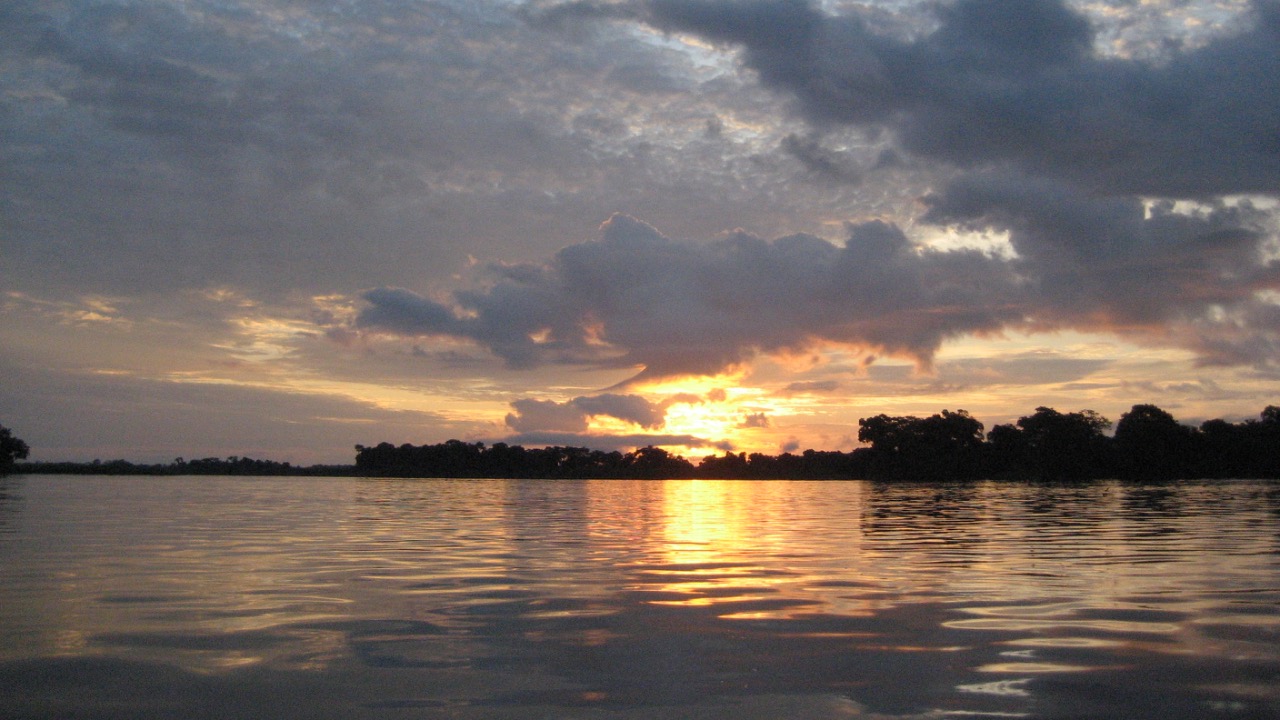
You’re looking at one of the most powerful rivers on earth. The Congo runs deep—really deep in spots—and moves massive volumes of water through narrow channels. That combination creates violent currents and underwater features that are hard to read, even if you know what you’re doing.
It’s not only the hydraulics. Remote stretches mean help is a long way off. Add in unpredictable whirlpools and shifting channels, and you’re dealing with a river that doesn’t give second chances. Local knowledge helps, but even seasoned operators treat it with caution.
Amazon River
The Amazon looks endless because it is. With that scale comes risk—strong currents, submerged debris, and a maze of side channels that can leave you turned around in a hurry.
Wildlife adds another layer. You’re in water that holds everything from caimans to piranhas, and while attacks are rare, the environment keeps you alert. Sudden storms can roll in fast, and water levels shift throughout the year. It’s not one threat—it’s the sheer number of variables working against you.
Yangtze River
Heavy boat traffic alone makes the Yangtze a tough place to navigate. Large commercial vessels move fast, and visibility can be limited in certain stretches.
Then you factor in pollution and strong seasonal flows. Industrial runoff has made parts of the river hazardous to human contact. Combine that with changing currents and debris, and you’ve got conditions that require constant awareness. It’s a working river first, not a forgiving one.
Mississippi River
You’ve probably stood on its banks and thought it looked manageable. That’s the trap. The Mississippi hides its danger under a wide, steady surface.
Below that, currents shift, sandbars move, and undertows can pull you off your feet fast. Barge traffic complicates things further. Wakes and prop wash can change water behavior in seconds. Plenty of experienced outdoorsmen respect it because they’ve seen how quickly it can turn.
Zambezi River
The Zambezi is known for big water and big hazards. Rapids here are serious, especially around Victoria Falls, where water funnels through tight gorges.
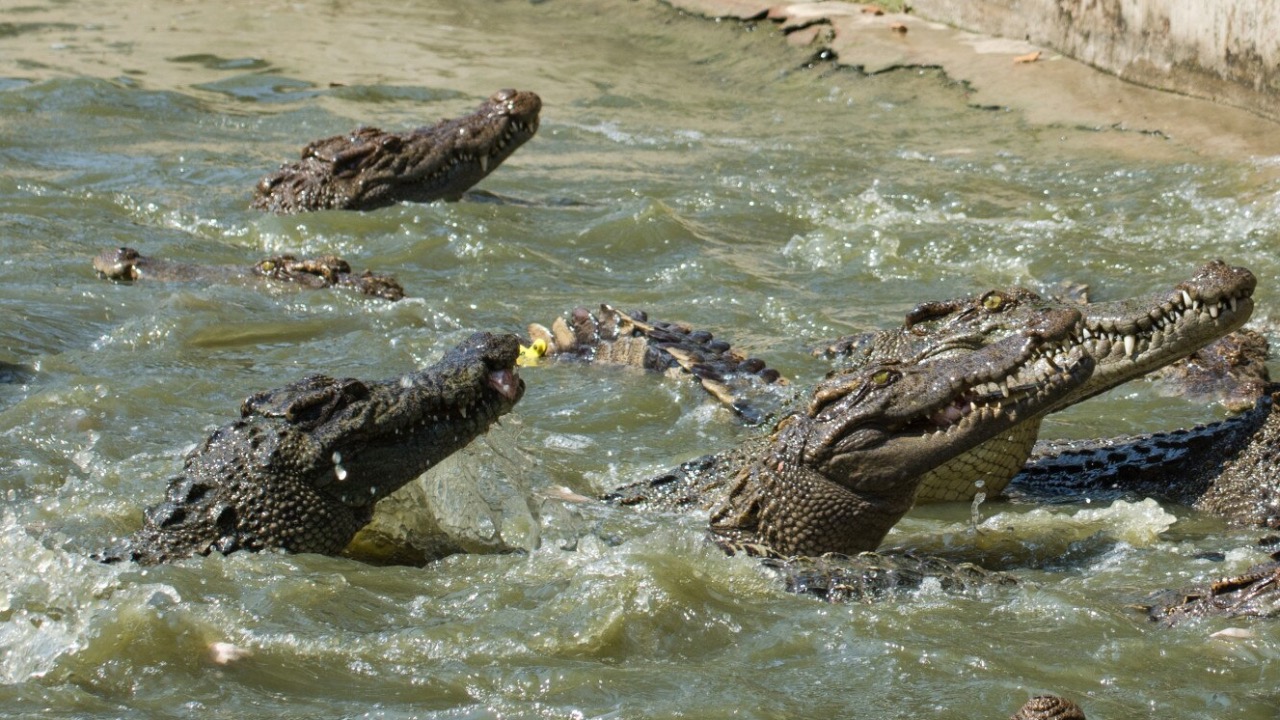
Crocodiles and hippos aren’t background noise—they’re real risks. Hippos, in particular, are responsible for more attacks than most people expect. Combine wildlife with powerful hydraulics, and you’ve got a river that demands respect every time you step near it.
Ganges River
The Ganges carries deep cultural importance, but it also carries heavy pollution loads in certain areas. Untreated sewage and industrial waste have made parts of the river unsafe for direct contact.
Add in strong currents during monsoon season, and the risk goes up. Flooding can change the river’s shape quickly, catching people off guard. It’s a place where tradition and danger sit side by side, and you need to be aware of both.
Mekong River
The Mekong doesn’t stay predictable. Seasonal flooding can expand it far beyond its normal banks, swallowing land and reshaping channels.
Fast currents and hidden obstacles make navigation tricky. In some regions, remote conditions mean limited rescue options if something goes wrong. It’s a river that changes with the seasons, and if you don’t adjust with it, you can get into trouble fast.
Nile River
The Nile has supported life for thousands of years, but it’s not without risk. In certain stretches, crocodiles remain a serious concern, especially in less developed areas.
Strong currents and irrigation structures can also create hazardous conditions. You’re dealing with a river that’s been shaped by both nature and human use. That mix can lead to unpredictable flow patterns and dangerous spots that aren’t always obvious.
Futaleufú River
If you’re into whitewater, you’ve heard of the Futaleufú. It’s known for intense rapids and cold, fast-moving water that doesn’t forgive mistakes.
Even experienced kayakers treat it carefully. The hydraulics here can trap you, and the cold water limits how long you can stay functional if something goes wrong. It’s a technical river that demands skill and respect every time.
Colorado River
The Colorado changes character depending on where you are, but sections running through the Grand Canyon are where things get serious.
Cold water released from dams, combined with powerful rapids, creates tough conditions. Flip a raft here, and you’re dealing with shock, current, and distance between safe exit points. It’s manageable with preparation, but not something you take lightly.
Irrawaddy River
The Irrawaddy carries heavy sediment, which affects visibility and navigation. Shifting sandbars and channels can catch even experienced boat operators off guard.
During monsoon season, water levels rise quickly, increasing current speed and flooding surrounding areas. Infrastructure along the river can be limited, which adds to the risk if you run into trouble. It’s not widely known for danger, but the conditions can turn serious without much warning.
Brahmaputra River
The Brahmaputra is known for its size and volatility. During the wet season, it swells dramatically, flooding large areas and changing course in places.
Strong currents, erosion, and debris make it difficult to navigate safely. It’s also one of those rivers where conditions can shift in hours, not days. You’re dealing with a system that doesn’t hold steady, and that unpredictability is what makes it dangerous.
You don’t need to fear rivers, but you do need to respect them. The ones on this list have earned their reputation through real conditions, not stories. If you ever find yourself near water like this, the smartest move is knowing your limits—and sticking to them.

Asher was raised in the woods and on the water, and it shows. He’s logged more hours behind a rifle and under a heavy pack than most men twice his age.