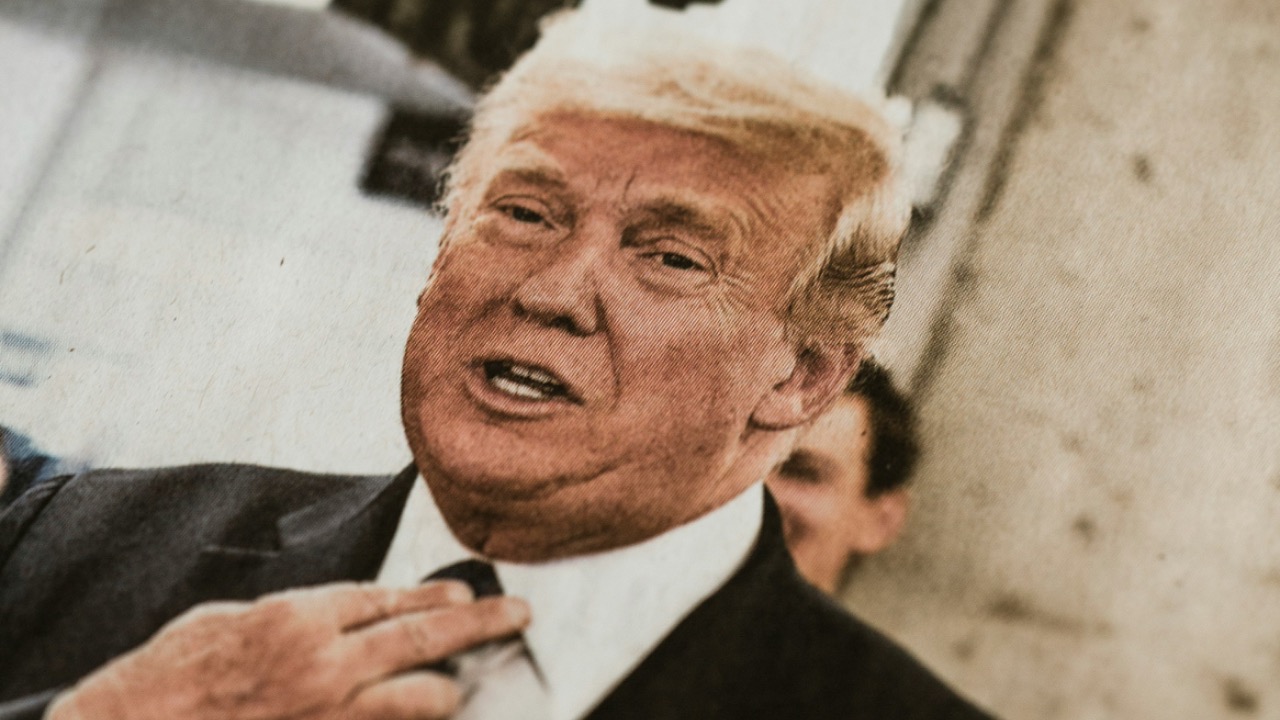
Trump Warns Iran of Aggressive Response Ahead of Negotiations: ‘No More Mr. Nice Guy’
President Donald Trump has put Iran on notice once more, using sharp language to signal that patience has run out as another round of talks approaches. The message landed on social media this weekend, right when a short-term pause in hostilities looks ready to expire. You see the pattern here from past dealings: pressure builds, words get direct, and the focus shifts to forcing a choice at the table. This time the stakes involve ships in a key waterway, claims of broken agreements, and clear threats about what follows if diplomacy collapses. Observers tracking the region know these moments rarely stay quiet for long.
How tensions built to this point
A temporary halt in fighting went into effect a couple of weeks back after earlier clashes. Both sides had traded blows that affected shipping lanes and energy routes across the Middle East. The agreement bought time for discussions, yet reports quickly surfaced about activity in the Strait of Hormuz that raised questions. You follow these stories and notice how quickly calm can fray when core interests like oil flow and safe passage sit on the line. Officials in Washington viewed the pause as an opening, but they also prepared for the possibility that it might not hold without stronger incentives.
Events moved fast after that. Accusations flew about actions against vessels linked to allies, and the response came in the form of renewed warnings. The whole sequence shows how fragile these arrangements remain when trust sits low and each side reads the other’s moves through its own lens. Regional players watch closely because any shift here ripples outward to markets and security concerns far beyond the immediate area.
Details from the latest public statement
Trump laid out his position in a post that left nothing vague. He described the offered terms as fair and reasonable, then spelled out what would happen if Iran turned them down. The language carried a clear edge, referencing power facilities and transport links as potential targets. You read statements like that and understand the intent goes beyond routine diplomacy. It aims to frame the choice in unmistakable terms ahead of the next meeting.
The post also touched on past opportunities that earlier administrations let pass, according to the writer. That historical reference adds weight to the current push, suggesting this round carries higher expectations. The timing matters too, coming right before scheduled discussions and with the existing pause due to end soon. Such messages often serve to shape the atmosphere entering any negotiation room.
Claims about the ceasefire breach
Reports pointed to shots fired near commercial ships in the Strait of Hormuz over the weekend. Trump called the incident a direct break in the agreed pause, citing vessels connected to Britain and France among those affected. Iranian accounts pushed back on the details, but the exchange itself fed the sense that the truce sat on thin ice. You look at these competing versions and see why verification matters so much in a zone where missteps carry heavy costs.
The waterway handles a huge share of global energy shipments, so even brief disruptions draw attention from governments and traders alike. The claim of violation gave Washington a reason to restate its position forcefully. It also reminded everyone involved that enforcement remains part of the equation when agreements appear shaky. The back-and-forth highlights how quickly incidents can escalate when the underlying issues stay unresolved.
What the infrastructure warning signals
Mention of striking power plants and bridges drew immediate notice because those assets support daily life and movement inside Iran. The statement framed such steps as a last resort if talks produce no result, tying them explicitly to the need for a deal. You consider the scale involved and recognize why language this specific gets studied carefully by diplomats and analysts. It sets a boundary while keeping the door open to agreement.
The phrasing carried a personal tone as well, noting it would represent unfinished business from decades of policy. That element links the current moment to longer patterns in U.S.-Iran relations. By naming concrete targets, the warning aims to concentrate minds on the alternatives. At the same time, it keeps the focus on the upcoming talks as the preferred path forward.
The venue and schedule for fresh talks
Discussions are slated for Islamabad in Pakistan on Monday, continuing a process that saw an earlier session there recently. The choice of location keeps the conversation going in neutral territory while senior figures travel to participate. You track these arrangements and notice how logistics often reflect the seriousness both sides attach to the effort. The short window before the ceasefire lapses adds urgency to the calendar.
Preparations involve multiple layers of coordination to cover the range of issues on the table. Past rounds showed some movement, yet core differences persist around security guarantees and regional behavior. The setting in Pakistan offers a space removed from direct confrontation zones, which can sometimes help when emotions run high. Still, success depends on whether the parties arrive prepared to narrow those gaps.
The American team heading to the table
Vice President JD Vance will join special envoy Steve Witkoff and Jared Kushner for the session. Their involvement signals the level of priority placed on reaching an outcome. You see high-profile names attached and understand it reflects an effort to bring real decision-making weight into the room. Coordination among them draws on earlier contacts that helped shape the current pause.
Each participant brings experience from previous diplomatic and security roles, which could prove useful when technical details surface. The group traveled for the prior meeting as well, so continuity exists in the approach. Their presence also underscores the administration’s view that these negotiations deserve direct leadership attention rather than delegation to lower levels.
Why markets and allies stay alert
Energy prices have already reacted to the uncertainty around the Strait of Hormuz and the broader standoff. Traders watch every development because even the threat of wider disruption can move costs at the pump and for industries worldwide. You check the numbers and see how quickly sentiment shifts when headlines mention possible strikes or extended blockades. Allies with forces or interests nearby pay close attention too.
The situation touches supply chains that stretch across continents, so governments outside the immediate region monitor closely for signs of spillover. Statements from Washington aim in part to reassure those partners that the goal remains a stable resolution. At the same time, the rhetoric keeps pressure on the other side to engage seriously before deadlines pass.
Looking ahead to possible outcomes
The coming hours will show whether the Islamabad meeting produces enough common ground to extend the pause or move toward something longer-lasting. Failure to advance could reopen the path to the actions described in the weekend message. You follow the sequence and realize each step narrows the options on both sides. The region has seen similar cycles before, yet the current mix of recent conflict and high-level threats raises the bar for everyone involved.
Diplomats on all sides understand the cost of walking away empty-handed. The public warnings serve as a reminder that alternatives exist and carry serious consequences. Whether the talks yield progress depends on willingness to compromise on key points that have blocked agreement in the past. For now the focus stays on that single day of discussions and the decisions that follow.

Asher was raised in the woods and on the water, and it shows. He’s logged more hours behind a rifle and under a heavy pack than most men twice his age.