Iran Closes Strait of Hormuz as Trump Reports ‘Very Good Conversations’ With Tehran
Iran has once again moved to close the Strait of Hormuz, a critical global shipping route, while at the same time U.S. President Donald Trump has claimed that negotiations with Tehran are going well. The timing highlights a clear contradiction: rising tension on the ground, but cautious optimism in political messaging.
The closure is tied directly to ongoing conflict over a U.S.-led naval blockade. Iran has argued the blockade is illegal and responded by restricting passage through the strait, a move that immediately impacts global trade and energy markets.
Conflicting signals from both sides
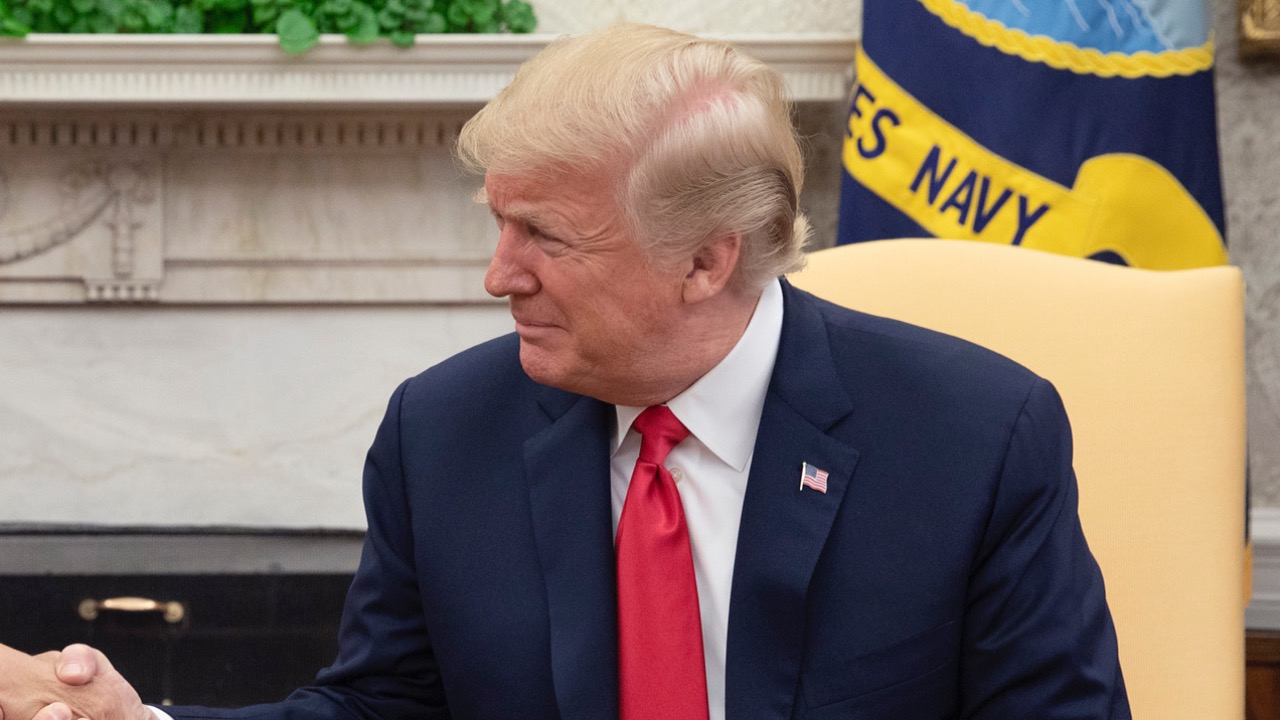
Trump has publicly said the U.S. is having “very good conversations” with Iran, suggesting there may still be a path toward de-escalation. At the same time, he has criticized Iran’s actions, accusing them of trying to use the strait as leverage.
That contrast — positive talk paired with rising military and economic pressure — shows how unstable the situation is. Negotiations may still be happening behind the scenes, but actions in the region suggest neither side is backing down in a meaningful way.
Why Iran closed the strait again
Iran’s decision to shut down the Strait of Hormuz appears to be a direct response to the U.S. maintaining its blockade on Iranian ports. Officials in Tehran have made it clear they see the blockade as an act of economic warfare and have tied reopening the strait to its removal.
This back-and-forth has happened multiple times in recent weeks. The strait has briefly reopened during ceasefire periods, only to be closed again when tensions flare or agreements break down. That pattern has created uncertainty for shipping companies and global markets.
Immediate impact on global trade
The Strait of Hormuz is one of the most important chokepoints in the world, with a large share of global oil passing through it every day. When Iran restricts access, the effects are felt almost instantly through rising oil prices and disrupted shipping routes.
Recent reports show that attacks on vessels and increased military activity have already reduced traffic through the area, with some ships turning away entirely. This kind of disruption doesn’t just affect the region — it has ripple effects across global energy markets and supply chains.
Rising tension despite ongoing talks
Even as officials talk about negotiations, the situation on the water continues to escalate. There have been reports of ship seizures, warning shots, and confrontations involving multiple countries, all of which increase the risk of a larger conflict.
Diplomatic efforts have not completely collapsed, but they are clearly fragile. Each new incident makes it harder for either side to step back without appearing weak, which keeps the cycle of escalation going.
What happens next
Right now, the situation is stuck between two directions: escalation and negotiation. Public statements suggest talks are still possible, but actions in the Strait of Hormuz point toward continued tension.
The biggest concern is not necessarily a planned war, but a miscalculation. With military forces operating in close proximity and global stakes so high, even a single incident could push things much further than either side intends.

Leo’s been tracking game and tuning gear since he could stand upright. He’s sharp, driven, and knows how to keep things running when conditions turn.