Austrian Fighters Intercept U.S. Stealth Jets in Unauthorized High-Altitude Airspace Incursion
When you examine moments when neutral countries enforce their airspace rules against major allies, the 2002 case stands out for its precision and restraint. On October 18 that year, Austrian air defenses picked up irregularities in a U.S. flight plan filed for a single tanker crossing from Germany. What followed was a textbook interception that exposed two undeclared stealth fighters riding along without permission. The episode underscored how even trusted partners must respect sovereign boundaries, especially in high-altitude corridors used for long-range military movements.
The Flight Plan That Raised Eyebrows
Austrian controllers first noticed the request listed a DC-10 transport making its way southward. The paperwork looked routine enough on paper, but small inconsistencies kept appearing. Serial numbers changed at the last minute and the aircraft type shifted in ways that did not match standard commercial patterns.
By early afternoon, radar operators flagged the flight as it neared the Tyrol region. They decided more information was needed before letting it continue unchecked. The decision reflected standard procedure rather than any dramatic alert, yet it set the stage for what came next in the clear autumn skies.
Austrian Fighters Take to the Skies
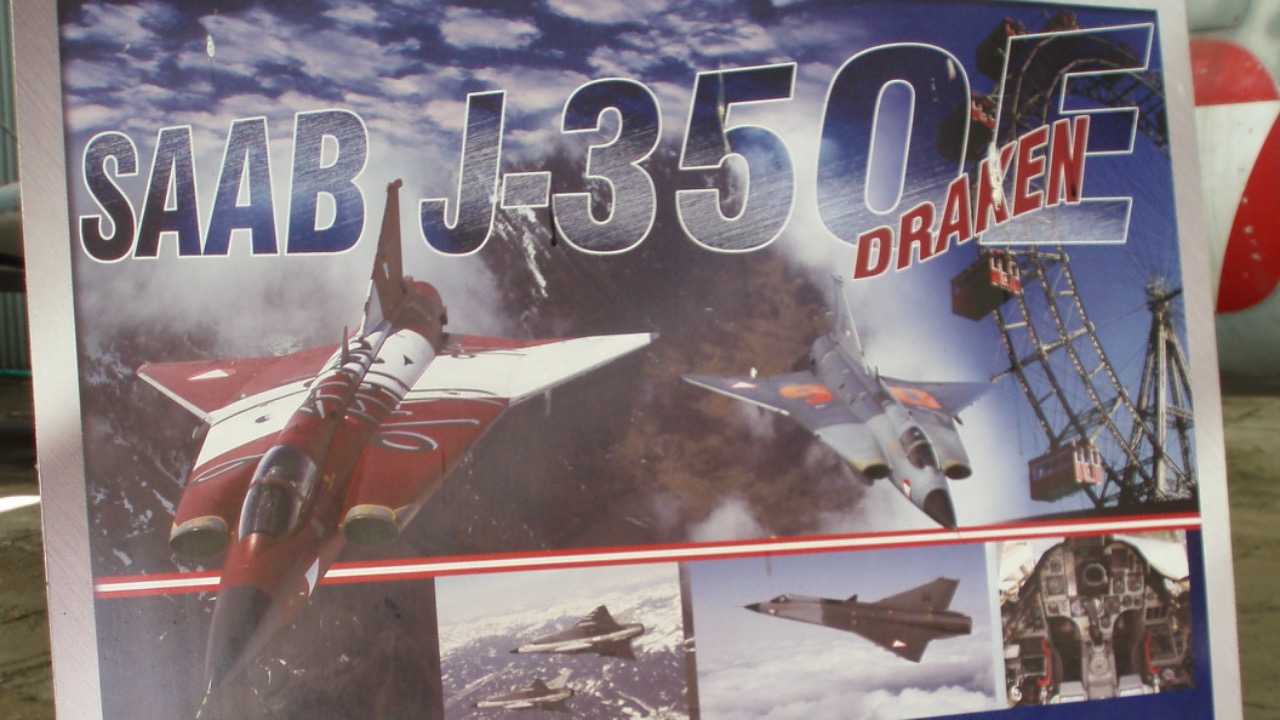
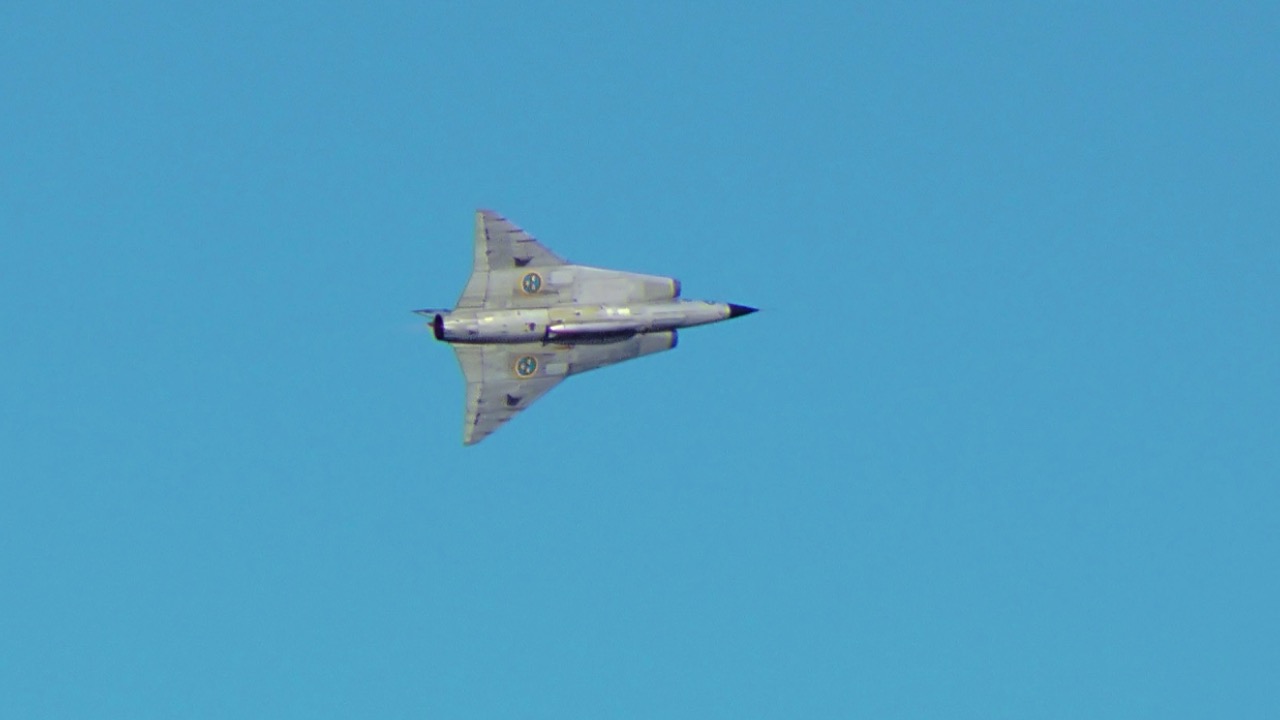
Two Saab 35 Draken jets lifted off from Zeltweg air base under quick-reaction orders. The pilots climbed fast to meet the incoming formation at altitude. Their mission stayed simple: identify the aircraft and confirm the details matched the approved plan.
Armed with Sidewinder missiles and cannons, the Drakens closed the distance without fanfare. The pilots maintained professional radio silence until visual contact confirmed the need for closer inspection. This measured response showed the Austrian Air Force operating exactly within its established protocols for any questionable transit.
Spotting the Hidden Formation
As the Drakens drew alongside, the pilots saw the KC-10 Extender tanker leading the way. Tucked tight beneath its wings sat two F-117A Nighthawk stealth fighters in close formation. The stealth jets had not appeared in any part of the original request.
The sight left little room for doubt. The Nighthawks stayed low and tight to the tanker, clearly trying to blend into the larger aircraft’s profile. Austrian crews documented everything they observed during the brief window they had.
The Ten Minutes That Changed Everything
The entire encounter inside Austrian airspace lasted exactly ten minutes. The U.S. formation adjusted course slightly once the Drakens appeared, yet it stayed on track long enough for clear identification.
Controllers tracked the deviation and noted the extra aircraft in real time. The Drakens held position, gathering visual data without escalating the situation. Once the formation exited the approved corridor, the intercept ended and the Austrian jets returned to base.
Capturing Evidence from the Air
The Draken pilots took photographs that showed the KC-10 with the two F-117s positioned directly underneath. Those images left no ambiguity about the unauthorized presence. Defense officials later reviewed the pictures during internal briefings.
The evidence moved quickly from the pilots to higher command. It provided concrete proof that the flight had included aircraft never declared in the original plan. Austrian authorities used the material to support their formal position on the matter.
Bringing the Matter to Higher Levels
Defense Minister Herbert Scheiber presented the findings at a National Security Council session. Lawmakers heard details about the undeclared jets and the successful visual confirmation. The government followed up with a diplomatic note delivered to the U.S. embassy in Vienna.
The process stayed focused on facts rather than accusations. Austrian leaders emphasized their neutrality policy and the importance of accurate flight notifications. The exchange highlighted ongoing differences in how the two countries viewed transit permissions.
The Reasons Behind the American Move
The U.S. aircraft were part of a larger effort to position forces toward the Persian Gulf in late 2002. The F-117 Nighthawks offered capabilities suited for potential operations in the region ahead of the Iraq conflict that began months later. Routing through Austria shortened the journey from bases in Germany.
American officials later described the transit as properly coordinated, though the extra aircraft had not received separate clearance. The KC-10 served as the declared lead while the stealth jets flew in tight formation to remain less noticeable from the ground.
Reflections on Neutrality in Modern Conflicts
Austria maintained its long-standing commitment to neutrality even while working within NATO partnerships. The country has enforced airspace rules consistently, regardless of the requesting nation. This episode fit a pattern of careful oversight seen during earlier Balkan operations as well.
The event passed without lasting damage to relations, yet it reminded everyone involved that sovereignty still matters in the air. Both sides learned from the close call, adjusting future coordination to avoid similar surprises.

Asher was raised in the woods and on the water, and it shows. He’s logged more hours behind a rifle and under a heavy pack than most men twice his age.