What to do — and not do — if you encounter a bald eagle
Bald eagles are no longer a rare sight for many Americans, especially near lakes, rivers, and wintering grounds, but the thrill of seeing one up close can tempt people into risky behavior. Knowing how to react around a national symbol that is also a powerful wild predator helps protect both the bird and anyone nearby. Clear guidance on what to do, and what to avoid, can turn a chance encounter into a safe, memorable moment instead of an emergency call to wildlife officers.
As bald eagle populations recover and more people head outdoors with cameras, fishing gear, and even hunting or survival kits, respectful distance and basic field sense matter more than ever. Simple choices about where to stand, how long to linger, and what not to feed can determine whether an eagle keeps hunting and nesting successfully or abandons a site altogether.
What happened
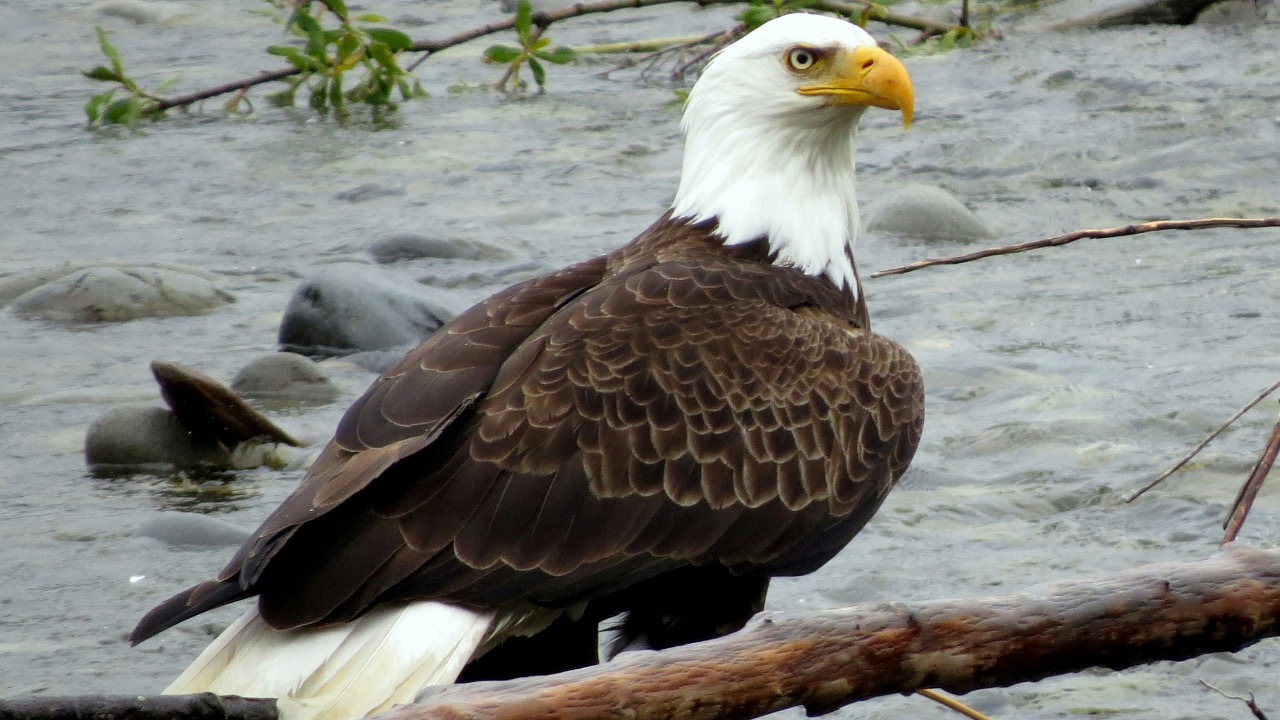
Across the United States, bald eagle sightings have surged in places where they were once scarce. In Michigan, winter and early spring bring large numbers of eagles to open water and rivers as part of their seasonal movements. Reports on bald eagle migration describe birds concentrating near unfrozen stretches of water where fish remain accessible, which means more encounters around popular boat launches, bridges, and shoreline parks.
Colorado has seen a similar pattern. As reservoirs, rivers, and prairie lakes attract wintering birds, wildlife agencies and local groups have promoted cold-season eagle watching. Guides on winter viewing describe how eagles gather along the Colorado River, at lakes on the Front Range, and near open fields where carrion and waterfowl are easy meals. Visitors flock to these areas to see birds perched in cottonwoods or soaring over ice.
Advocacy organizations have highlighted that winter is peak bald eagle season in Colorado, offering detailed advice on when and where to look. One guide explains that eagles favor large trees near reservoirs and wide rivers and that they often return to the same roosts year after year, making some spots reliable viewing locations. That guide on winter eagle season also stresses that people can see plenty of birds without approaching nests or crowding shorelines.
Public radio reporting has reinforced the idea that bald eagle watching has become a regular part of winter recreation in Colorado. Coverage of how to see describes birders, families, and photographers gathering at lakes and rivers with binoculars and spotting scopes. These stories highlight both the excitement of close views and the need for visitors to follow distance rules, stay on established paths, and avoid stressing birds that are already working hard to find food in cold weather.
The result is a growing mix of eagles and people in the same places at the same time. Anglers cast near the same fish-rich currents that attract hunting birds. Hikers move along shorelines that double as roosting areas. Drivers pull off on shoulders to snap quick photos of eagles feeding on roadkill. Each of these scenes can remain safe and low impact, but they can also go wrong quickly if someone tries to walk closer, tosses food, or flies a drone overhead.
Why it matters
Bald eagles may look invincible, but they are sensitive to disturbance, especially in winter and during nesting. When people approach too closely or linger directly beneath a roost, birds may flush repeatedly, burning energy they need for hunting and thermoregulation. In cold conditions, every unnecessary flight costs calories that are hard to replace. Repeated flushing can also cause eagles to abandon productive feeding spots or safe perches, which reduces their chances of making it through harsh weather.
Nesting disturbance has even higher stakes. If someone walks under a nest tree or tries to photograph a nest from a short distance, adults may leave eggs or small chicks exposed to cold, wind, or predators. In some cases, repeated human presence can lead to nest failure or long-term abandonment of a nesting territory. That risk is why many wildlife agencies set seasonal buffer zones around known nests and ask people to respect posted closures on trails, boat ramps, or shoreline areas.
There is also a legal dimension. Bald eagles are protected under the Bald and Golden Eagle Protection Act and the Migratory Bird Treaty Act. These laws prohibit actions that harm, harass, or disturb eagles, their nests, or their eggs without a permit. Harassment can include behavior that disrupts normal feeding or breeding. Approaching too closely, flying a drone near a nest, or attempting to touch or capture an eagle can cross that line, even if no one intends harm. Violations can bring significant fines and, in serious cases, criminal penalties.
Feeding eagles creates another category of problems. When people toss fish scraps, roadkill, or other food, birds can become habituated to humans and vehicles. That increases the risk of collisions with cars and trucks, especially along highways where eagles already scavenge on roadkill. Food handouts can also encourage aggressive behavior, as birds begin to associate humans with easy meals. In some areas, wildlife managers have had to intervene when eagles or other raptors started swooping near people who were cleaning fish or handling bait.
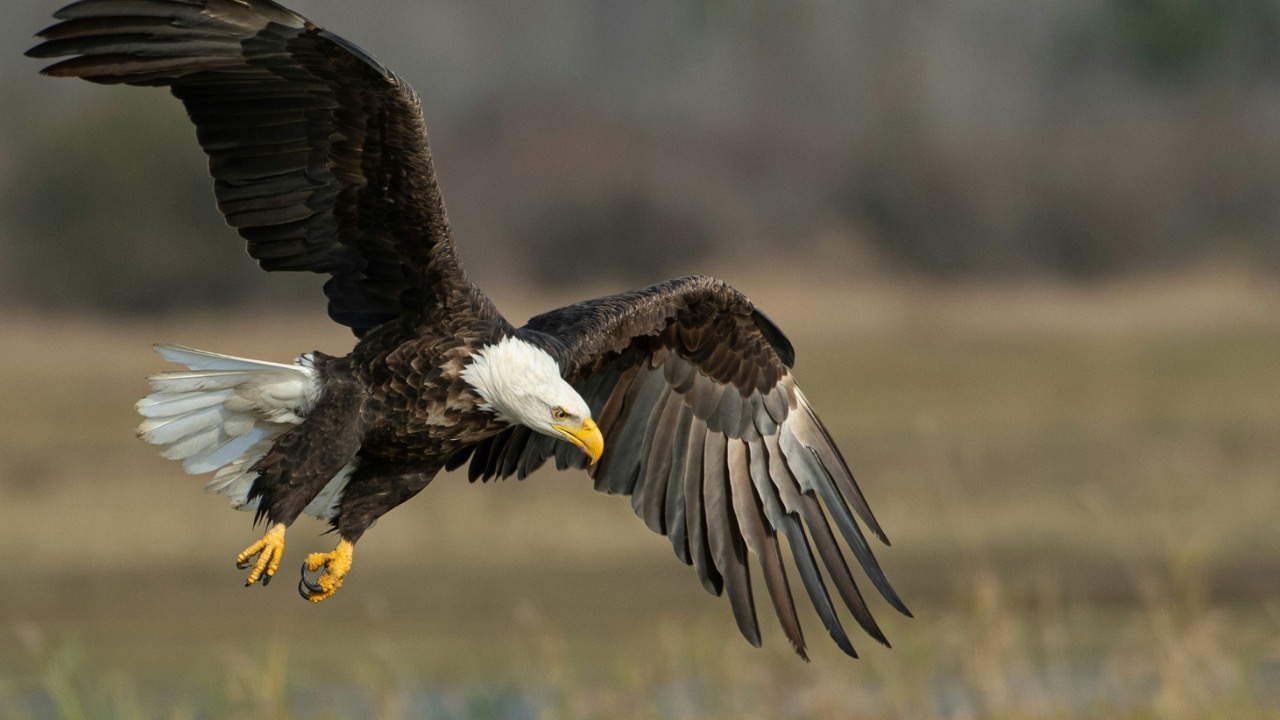
Human safety is part of the equation. Bald eagles have sharp talons and powerful beaks designed to tear flesh and grip struggling prey. Approaching a perched bird, attempting to handle an injured eagle, or trying to pose for a close photograph can lead to serious injuries. Even a defensive swipe from a frightened bird can cut deeply or damage eyes. When someone finds a grounded or obviously injured eagle, the safest choice is to back away and contact state wildlife officers or a licensed rehabilitator rather than attempting a rescue alone.
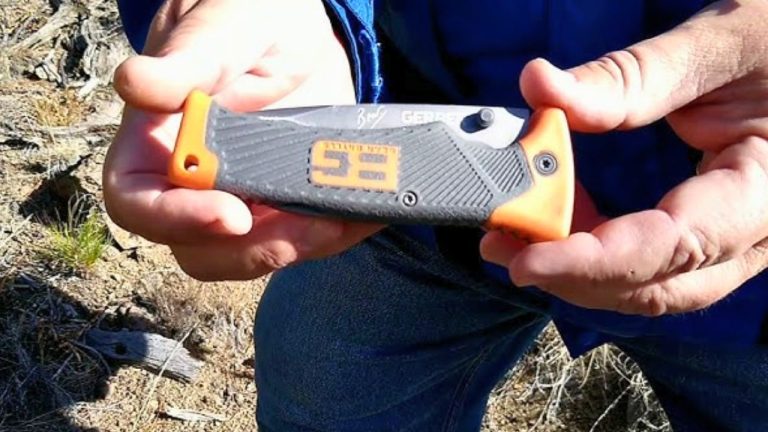
Outdoor gear and activities can unintentionally create hazards. Fishing line left on shore or snagged in trees can entangle eagles when they land or when they pick up sticks and grasses for nests. Lead sinkers and fragments from ammunition can poison birds that scavenge on gut piles or carcasses. Hunters and anglers who switch to non-lead alternatives and pack out all line, hooks, and trash reduce these risks significantly. People who carry hunting or survival gear into eagle country can treat that kit as a responsibility as much as a backup plan.
The popularity of winter eagle viewing in places like Michigan and Colorado illustrates how quickly a conservation success story can collide with recreation pressure. Guides that encourage people to visit specific lakes, rivers, and viewing areas are often paired with clear etiquette: stay in vehicles when possible, use binoculars instead of walking closer, and rotate through viewing spots so birds are not surrounded by people on all sides. When visitors ignore that guidance, they can undo years of habitat management and public outreach in a single nesting season.
What to watch next
Anyone who spends time near rivers, lakes, or open fields where eagles gather can prepare for encounters by following a few practical rules. The first is distance. Many wildlife agencies recommend staying at least 300 feet from perched or feeding bald eagles and even farther from active nests. In open terrain, that usually means watching from a vehicle, a roadside pullout, or a designated viewing platform. If a bird stares intently, shifts on the branch, or takes flight as someone approaches, the person is too close and should back away immediately.
Optics make that distance easier to maintain. Binoculars in the 8x to 10x range or a spotting scope on a tripod allow people to see feather details, hunting behavior, and interactions between adults and juveniles without moving off a trail or shoreline. Photographers can use longer lenses instead of stepping closer. Patience helps: waiting quietly at a respectful distance often leads to better views than chasing birds from perch to perch.
Staying on established paths and respecting posted signs is another simple safeguard. Many of the lakes and rivers highlighted in winter viewing guides have specific parking areas, trails, and overlooks designed to concentrate human activity. When people bushwhack through willows or climb embankments to get a slightly different angle, they can flush birds that had adjusted to predictable foot traffic. If a sign or barrier marks a closure for eagle nesting or roosting, that area should be treated as off limits even if no bird is visible at that moment.
Noise control matters as much as physical distance. Loud voices, slamming car doors, and playing music on portable speakers can push birds off perches just as effectively as walking too close. Groups that keep conversations low, move slowly, and avoid sudden gestures are more likely to see natural behavior such as hunting dives, food sharing between mates, or juveniles practicing landings. Parents can frame this quiet approach as part of the adventure for children, turning the experience into a kind of wildlife stakeout.
There are also clear lines people should not cross. Never attempt to feed a bald eagle, either by hand or by tossing food toward a perch or carcass. Do not throw objects to get a bird to fly for a photo. Avoid flying drones anywhere near eagles or their nests; in many areas, drone use around wildlife is restricted or banned outright. Never climb trees, structures, or cliffs to approach a nest. If a grounded eagle appears injured or unable to fly, call state wildlife authorities or a licensed rehabilitator and provide location details instead of trying to capture or transport the bird.
Drivers who spot eagles near roads should pull completely off the pavement in safe locations, use hazard lights if necessary, and resist the urge to stop in traffic lanes or on blind curves. After parking safely, they can view birds from inside the vehicle, which often acts as a natural blind that birds tolerate better than exposed people on foot. When leaving, drivers should check mirrors carefully, since other visitors may have stopped behind them for the same reason.
For communities that promote eagle watching, the next steps involve balancing access with protection. Land managers can continue to identify reliable viewing sites, then design parking, trails, and signage that guide visitors to spots where eagles are less vulnerable to disturbance. Seasonal closures around nests, roost trees, and key feeding areas can be paired with educational materials that explain why certain areas are off limits. Volunteer naturalists and rangers can help visitors interpret behavior and model respectful distances.
Hunters, anglers, and backcountry users can watch for emerging guidance on gear choices and field practices that reduce eagle risks. Shifts toward non-lead ammunition and tackle, careful disposal of carcasses and gut piles away from roads, and consistent cleanup of fishing line and trash all lower the chance of poisoning or entanglement. People who already carry detailed hunting or survival gear can add a small trash bag, a pair of gloves for picking up stray line, and contact information for local wildlife agencies to their kits.

Leo’s been tracking game and tuning gear since he could stand upright. He’s sharp, driven, and knows how to keep things running when conditions turn.