Two U.S. Soldiers Injured in Brown Bear Attack During Alaska Training Exercise
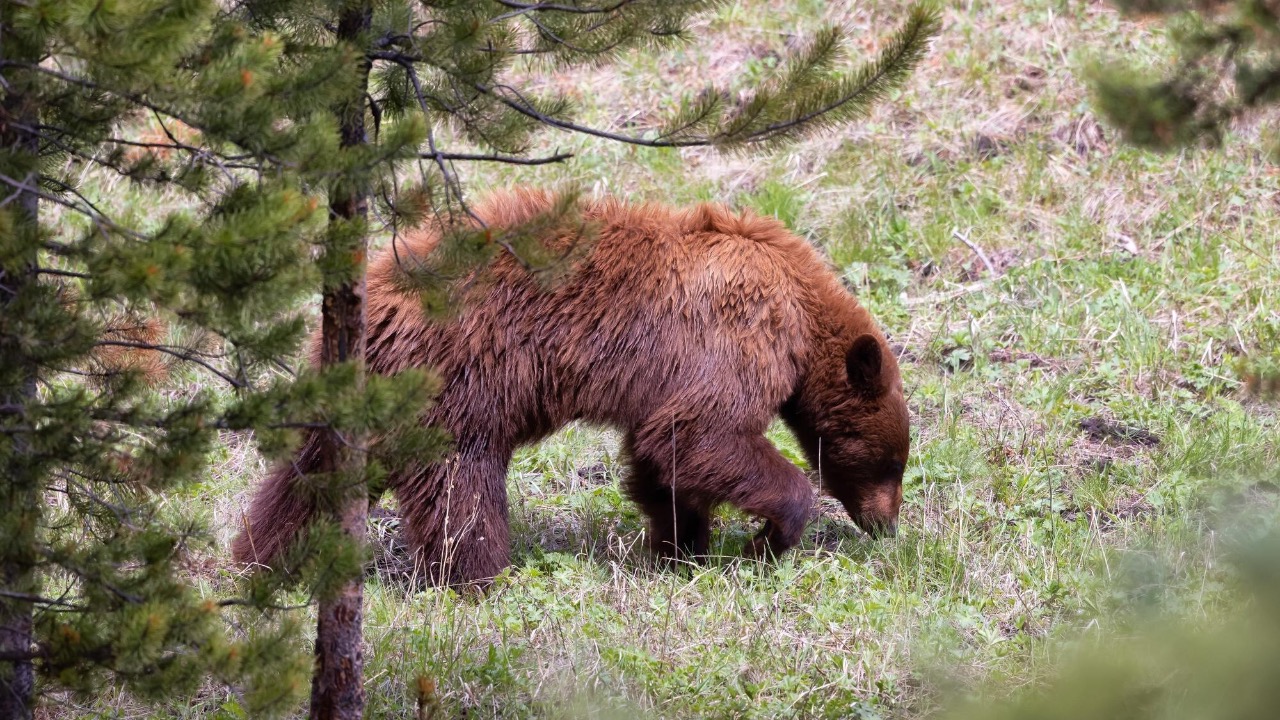
You probably picture soldiers training in Alaska dealing with freezing temperatures, rough terrain, and the isolation of the wilderness. But on April 16, two members of the 11th Airborne Division ran into something far more immediate and dangerous during a routine land navigation exercise at Joint Base Elmendorf-Richardson. A brown bear, freshly out of hibernation and likely protective of its space in the mountainous Arctic Valley area, charged them in what officials described as a defensive encounter. The soldiers deployed bear spray, which may have limited the damage, but both still sustained serious injuries. They received quick medical attention and were taken to a facility in Anchorage, where they have been improving under ongoing care.
This kind of incident highlights how the wild edges of military training grounds in Alaska remain unpredictable even for prepared troops. Up to hundreds of bears roam freely around the base, and springtime brings added risks as animals emerge hungry and territorial after months of dormancy. The event has prompted both military reviews and a wildlife investigation by state officials to understand exactly what happened and whether the bear had any prior documented history in the area.
What Happened During the Training Exercise
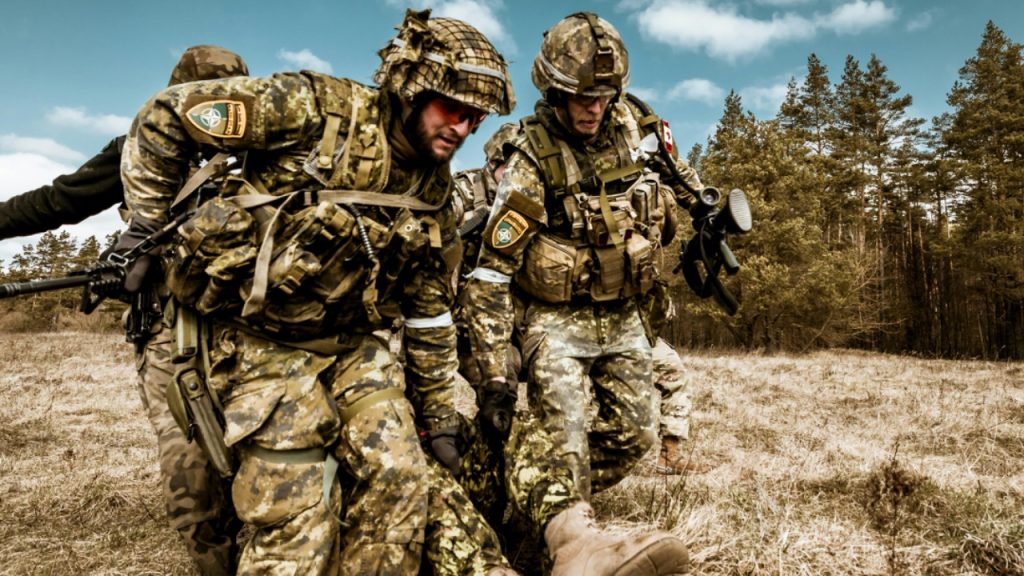
The two soldiers were moving through a remote section of the base’s training area when the bear appeared. Land navigation drills require troops to plot routes, read maps, and operate with minimal support in challenging backcountry. In this case, the encounter unfolded quickly enough that the pair used their issued bear spray to try to deter the animal. Officials noted the injuries were serious but emphasized that prompt treatment helped stabilize the situation. No fatalities occurred, and the soldiers continue to recover.
Investigators from the Alaska Department of Fish and Game arrived on scene shortly afterward to collect evidence, confirm the species, and check for any matching DNA records from previous bear interactions. Early reports pointed to a brown bear acting defensively rather than stalking the soldiers as prey. The incident took place west of the Glenn Highway in terrain that mixes dense vegetation with open slopes—prime habitat where human activity and wildlife overlap more often than people expect.
The Role of Bear Spray in the Moment
Bear spray has become standard equipment for troops operating in Alaska’s bear country, and this case offers a real-world example of its potential value. The soldiers managed to deploy it during the charge, which authorities believe helped prevent even worse outcomes. While it did not stop the initial contact entirely, the deterrent effect likely shortened the encounter and reduced the severity of the mauling.
Military training in the region includes briefings on wildlife encounters precisely because these animals hold the upper hand in their environment. Officials have not released the soldiers’ names or exact unit details beyond their affiliation with the 11th Airborne Division, focusing instead on their medical progress. Both showed signs of improvement by the weekend following the Thursday incident, though full recovery will take time and continued treatment.
Why Brown Bears Pose a Springtime Risk in Alaska
Brown bears in Alaska emerge from dens in April and May with depleted fat reserves and strong instincts to secure food and protect cubs or territory. A sudden meeting with humans in narrow valleys or along trails can trigger a defensive reaction before the animal has time to assess the threat. Arctic Valley and similar areas around Joint Base Elmendorf-Richardson host dozens of these bears alongside black bears, creating constant potential for overlap with training activities.
State wildlife managers track bear populations and human-bear conflicts closely. In this instance, they are examining whether the involved bear matches any previously studied animals through genetic sampling. Such data helps refine management strategies for the base, where military operations must coexist with one of North America’s densest concentrations of large predators.
How the Military Prepares Troops for Wildlife Encounters
Units stationed in Alaska receive specific instruction on operating safely in bear habitat, including how to travel in groups, make noise on trails, store food properly, and use bear spray effectively. The 11th Airborne Division regularly conducts exercises that test soldiers’ ability to navigate and survive in remote conditions, but real-world variables like a protective bear add layers of complexity that no briefing fully captures.
After this event, base leaders will likely review procedures for the specific training area to see if additional precautions could reduce future risks. Quick response from emergency teams and on-base medical support played a key role in the soldiers’ outcome, underscoring the value of having resources positioned for rapid intervention even during routine drills.
What This Means for Training in Shared Wilderness
Incidents like this serve as reminders that military bases in Alaska function as working landscapes where soldiers share space with apex predators. The base supports hundreds of bears, and encounters happen periodically despite best efforts on both sides. Officials stress that the soldiers followed protocols, yet the unpredictable nature of wildlife means absolute prevention remains impossible.
Recovery updates suggest the two service members are progressing well, which brings relief to their units and families. The ongoing wildlife probe will provide more details in coming weeks, potentially informing adjustments to how land navigation and other field exercises are conducted during peak bear activity seasons. For now, the focus stays on the soldiers’ care and on learning what can be learned without turning the event into something larger than the facts support.
Looking Ahead After the Incident
Alaska’s vast training ranges offer unmatched opportunities to build real operational skills in cold-weather and mountainous environments. At the same time, they demand constant respect for the natural forces at play. This bear encounter fits into a longer pattern of human-wildlife interactions on the base, where education and practical tools like spray have helped keep most situations from escalating.
Both soldiers remain under medical care in Anchorage as of the latest reports, showing steady improvement. Their experience will likely feed into broader discussions about balancing mission requirements with safety in one of the country’s most dynamic wilderness settings. In the end, events like these reinforce why preparation matters while acknowledging that nature still holds surprises even for those trained to handle them.

Asher was raised in the woods and on the water, and it shows. He’s logged more hours behind a rifle and under a heavy pack than most men twice his age.