Ex-F.B.I. Agent Says Guthrie Family Should Question Handling of DNA Evidence in Disappearance Case
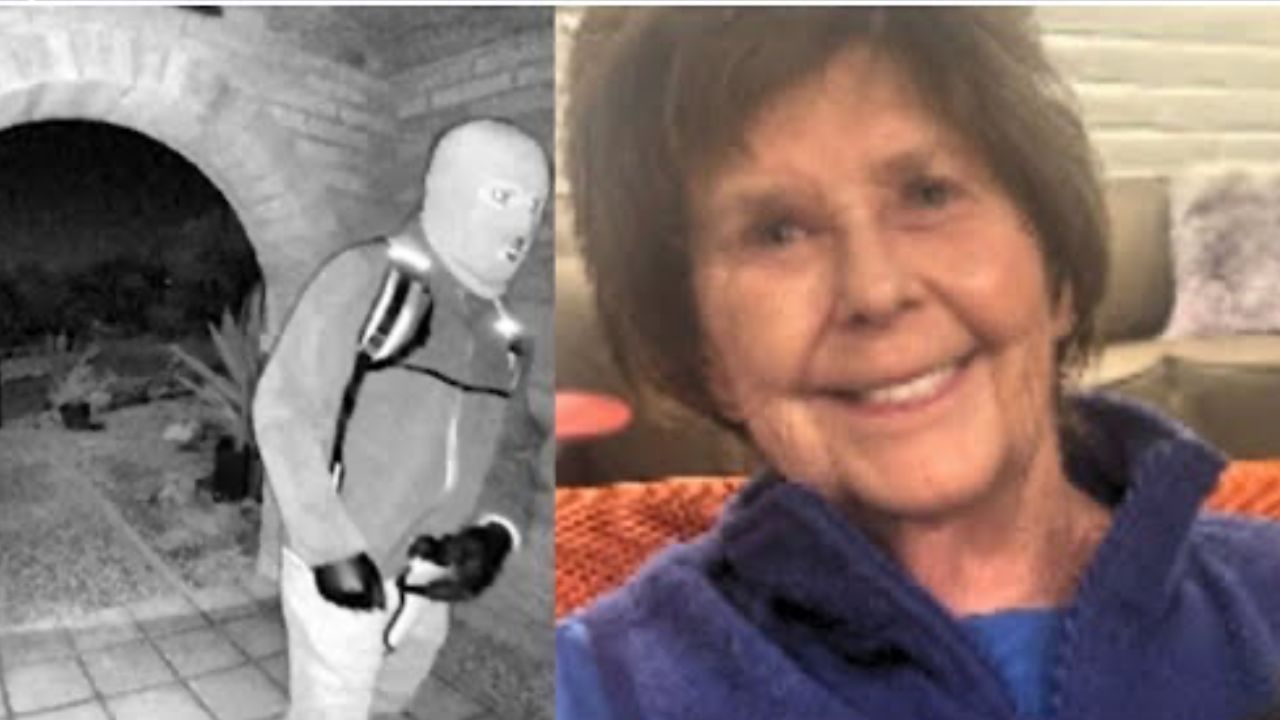
The disappearance of Nancy Guthrie, the 84-year-old mother of NBC’s Today co-anchor Savannah Guthrie, has gripped public attention since she vanished from her Tucson, Arizona, home on February 1, 2026. Authorities described it as an abduction, with surveillance footage showing a masked individual. Investigators collected DNA evidence from the scene early on, including a hair sample, yet questions linger about how that material moved through the system. Recent developments have sharpened focus on the timeline and choices made with forensic testing. A former FBI agent has now stepped forward with pointed observations that invite closer examination by the family and the public.
Jennifer Coffindaffer, who spent years as a special agent, has followed the case closely through her work in true crime commentary. She reacted to reports that DNA recovered from Guthrie’s home spent weeks at a private laboratory in Florida before reaching the FBI for advanced analysis. Coffindaffer noted that the bureau has long maintained sophisticated capabilities for such work. The delay in routing the sample directly there, she suggested, raises legitimate concerns about efficiency in a high-stakes investigation where time matters deeply.
The Initial Evidence Collection
Investigators from the Pima County Sheriff’s Office responded quickly after Nancy Guthrie went missing. They processed her residence and gathered biological material that could link a suspect to the scene. Among the items was a hair sample taken in the days following the reported abduction. Officials also recovered other potential DNA traces, some of which reportedly produced mixed profiles that complicated immediate database matches through CODIS.
Local authorities turned to a private lab in Florida for preliminary testing on at least part of that evidence. The choice aligned with standard practices for building offender profiles in certain cases. Yet the process took several weeks, during which the sample remained outside federal channels. This step has since drawn scrutiny as new details emerged about earlier FBI interest in the material.
Coffindaffer’s Perspective on FBI Capabilities
Jennifer Coffindaffer has worked complex cases during her FBI tenure, giving her insight into how forensic labs operate at different levels. She pointed out that the bureau’s advanced DNA technology existed well before this case unfolded. Sending the sample elsewhere first, when the FBI already possessed the tools and expertise, struck her as unnecessary and potentially wasteful of critical time.
Her comments, shared via social media and her podcast, emphasize practical realities in investigations. Coffindaffer argued that the public explanation for the routing—that the private lab would establish profiles—does not fully address why federal resources sat unused initially. She described the situation as one that naturally prompts frustration for anyone invested in resolving the disappearance.
Why the Family Might Feel Concerned
Savannah Guthrie and her relatives have navigated this ordeal with limited public statements, focusing instead on appeals for information. Coffindaffer suggested they have every reason to examine the handling of the DNA closely. When agencies possess superior technology from the outset but evidence takes a detour, families often wonder about lost momentum in the search for answers.
The former agent highlighted how such decisions can affect overall confidence in the probe. In her view, the Guthrie family deserves transparency about the sequence of events and the rationale behind routing choices. That kind of accountability helps maintain trust when closure remains elusive more than two months later.
The FBI’s Clarification on Timing
An FBI official later addressed media reports by stating that the hair sample was not new evidence. The bureau had requested the material more than two months earlier, using the same advanced methods it has long employed. Instead, local authorities directed it to the private Florida lab first, according to the clarification.
This timeline places the FBI’s involvement as something sought from early in the process rather than a recent escalation. The distinction matters because it reframes the narrative around delays versus fresh discoveries. Officials noted they would share further developments as appropriate, without confirming specific results yet.
Questions About Laboratory Routing Decisions
Pima County Sheriff’s Department has relied on external partners for forensic work in the past, including the Florida facility known for specialized analysis. That partnership made sense for generating initial profiles when mixed samples presented challenges. Still, Coffindaffer questioned whether that path served the case best when federal options offered broader databases and coordination.
Critics of the approach, including the former agent, see it as a missed opportunity for faster integration of resources. In abduction cases, especially those involving vulnerable adults, even modest delays can shift investigative dynamics. The private lab’s role, while legitimate, now sits under a spotlight as the FBI conducts its own testing on the transferred sample.
Broader Implications for the Investigation
The Guthrie case has drawn national interest partly because of its connection to a prominent journalist and the unsettling details of a daytime abduction. DNA remains a central hope for identifying who entered the home and what happened to Nancy Guthrie. How agencies manage that evidence influences not only this inquiry but perceptions of similar missing-person efforts.
Coffindaffer’s remarks serve as a reminder that forensic decisions carry weight beyond technical details. Families and observers alike benefit when processes prioritize speed and expertise without unnecessary steps. As testing continues at the FBI lab, attention turns to whether those results yield actionable leads or further questions about earlier choices. The coming weeks may clarify if the routing ultimately hindered or simply extended the path to resolution.

Asher was raised in the woods and on the water, and it shows. He’s logged more hours behind a rifle and under a heavy pack than most men twice his age.