Landowner says hunters cut a new trail through his property without asking
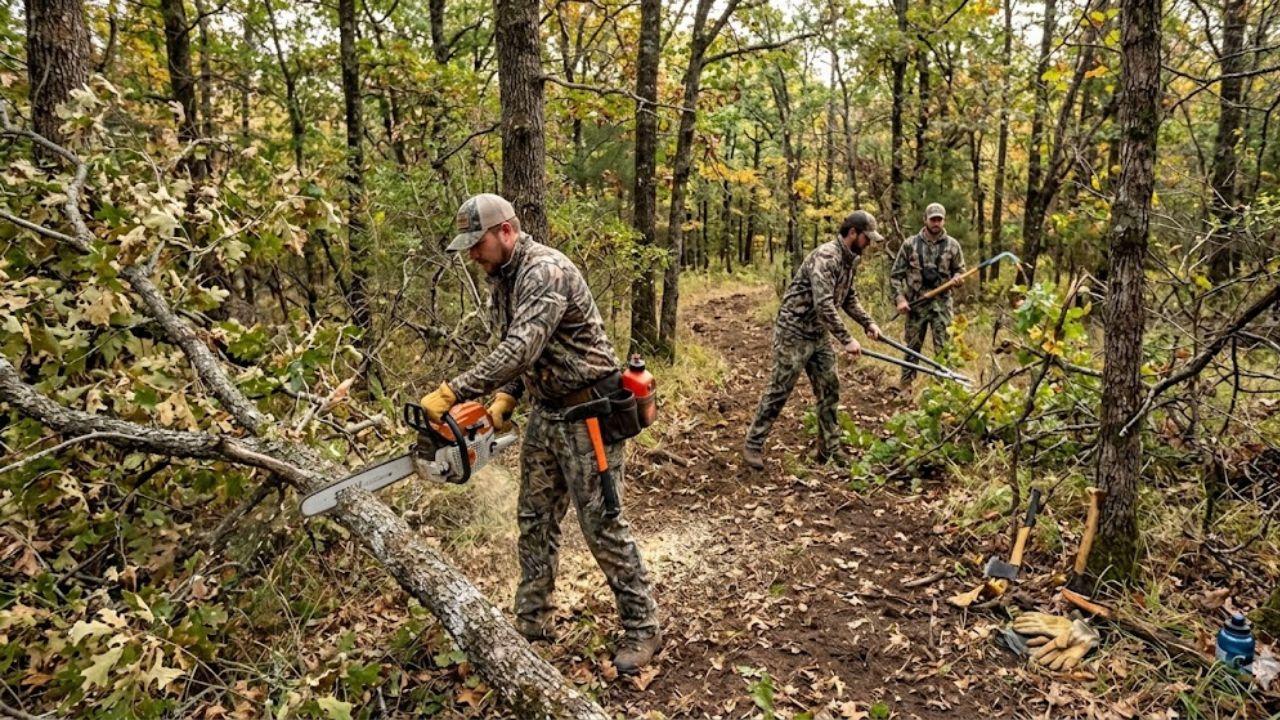
A rural landowner is speaking out after discovering that hunters allegedly cut a new trail through his property without permission. The issue centers on concerns over private land boundaries, respect for property rights, and how quickly disagreements can escalate when outdoor access is involved.
According to the landowner’s account, the trail was not part of any existing path or agreement. He says it appeared to have been created to improve access for hunting, but without any prior discussion or approval. Situations like this often lead to tension in rural areas where land is used for farming, recreation, and hunting.
Concerns over property boundaries and access
In many rural regions, property lines are clearly defined but not always physically marked in a way that’s easy to see on the ground. That can lead to misunderstandings, but landowners argue that cutting new paths or trails still crosses a clear line when done without consent.
The landowner’s concern isn’t just about the physical damage, but also about precedent. Once a trail is created, it can encourage repeated use or expansion of access points, which can make it harder to control activity on private land over time.
Hunting access and local expectations
In areas where hunting is common, there is often an informal understanding between landowners and hunters about access routes. Some properties allow permission-based entry, while others are strictly off-limits unless explicitly approved.
When that understanding breaks down, conflicts tend to follow. Hunters may argue they were trying to follow game movement or improve access, while landowners see it as an unauthorized intrusion. The gap between those perspectives is often where disputes start.
Legal and practical implications
Cutting a new trail on private land without permission can raise legal issues depending on local trespass laws and whether any damage occurred. Even if there was no intent to cause harm, altering the land without consent can still be treated as a violation of property rights.
Beyond legal concerns, there’s also the practical impact. New trails can affect wildlife patterns, erosion, and land use planning, especially if the property is used for farming or conservation. That’s why many landowners prefer strict communication before any access is granted.
Tensions between hunters and landowners
Incidents like this highlight a recurring tension between outdoor recreation and private land ownership. Most hunters follow rules and seek permission, but a few cases of unauthorized access can create wider distrust in rural communities.
For landowners, the expectation is simple: no entry and no changes to the land without approval. For hunters, access often depends on relationships and clear communication. When those lines blur, disputes like this tend to surface quickly and can take time to resolve.

Leo’s been tracking game and tuning gear since he could stand upright. He’s sharp, driven, and knows how to keep things running when conditions turn.