Florida Angler Avoids Jail Time After Felony Charge for Firing Rifle Near Fishing Vessel
You hear stories like this and wonder how tensions on the water can escalate so quickly among people who share the same passion for being out there. In the Florida Keys, where fishing grounds overlap and space feels tight on busy days, one incident in November 2023 showed just how fast things can turn serious. A 77-year-old recreational angler from Key Largo ended up facing felony charges after pulling out a rifle during an argument with a commercial fisherman. The case drew attention because it highlighted the mix of frustration, old grudges, and weapons that sometimes surfaces offshore.
The details paint a picture of two boats in close proximity, words flying, and then gunfire. No one was hurt, but the legal process that followed raised questions about accountability on the water and what counts as going too far when tempers flare.
The Dispute That Started It All
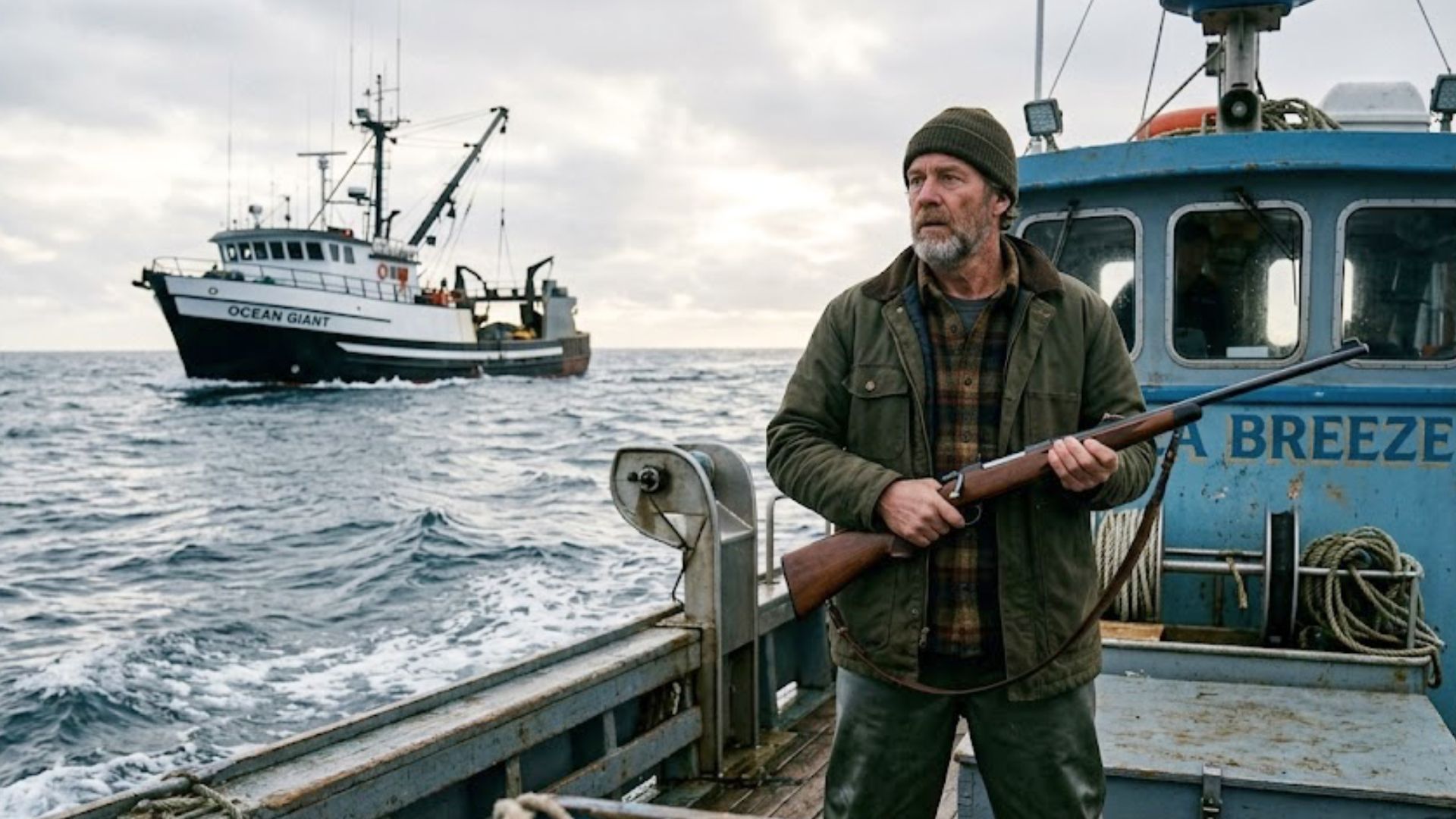
You can picture the scene out near Rodriguez Key, about seven miles offshore. A commercial fisherman had set up, chumming for yellowtail, when another boat moved into his slick and disrupted the fishing. Words were exchanged, with the commercial guy yelling for the other vessel to back off. Instead of de-escalating, the recreational angler grabbed a rifle and fired twice across the bow, sending rounds into the water.
That kind of response turns a spot dispute into something law enforcement has to treat seriously. The commercial fisherman left the area, contacted authorities, and described feeling threatened by the display of the weapon. Officers from Florida Fish and Wildlife Conservation Commission, along with the Coast Guard, responded to sort out the situation on rough water.
Who Was Involved in the Incident
George Webster Dixon, then 77 and living in Key Largo, was the man on the recreational boat. He told officers he had been trolling for wahoo and tuna that morning. Dixon explained that past experiences, including one where someone pulled a gun on him years earlier, led him to carry protection. When the argument heated up, he said he fired to send a clear signal: stay away.
The commercial fisherman gave his account too, describing the other boat coming too close and ruining his setup before the rifle appeared. These contrasting views are common in on-water conflicts where both sides feel justified in the moment. No injuries occurred, but the physical evidence like shell casings supported the reports.
Charges and the Initial Arrest
Dixon faced felony counts including aggravated assault with a deadly weapon and discharging a firearm in public. Authorities secured the rifle and took him into custody after coordinating with the Coast Guard. He was booked at the station in Islamorada.
You might expect harsher immediate consequences for firing shots near another vessel, especially in waters where safety is paramount. The charges reflected the potential danger, even though the bullets hit the water and missed the other boat. Bond was set, and the case moved through the system over time.
How the Court Case Played Out
Dixon later entered a no-contest plea to key charges. The court adjudicated him guilty but sentenced him to 36 months of supervised probation instead of incarceration. He also had to pay fines and costs, though some reports noted those remained unpaid initially, leading to further issues.
Avoiding jail time surprised some observers given the nature of the offense. Judges weigh factors like age, lack of prior similar incidents in the immediate record, and the fact that no one was injured. Still, probation comes with restrictions that can limit activities, including time on the water.
What Dixon Said During Questioning
In bodycam footage from the response, Dixon spoke openly with officers after being advised of his rights. He admitted firing the shots because he was angry and wanted the other boater to know not to approach aggressively. When asked if he felt threatened, he indicated no—he was sending a message.
That honesty mattered in the legal proceedings. Self-defense claims require a reasonable fear of imminent harm, which his statements did not fully support. Instead, it came across as frustration boiling over into a warning shot, something prosecutors and courts view differently under firearm laws.
Lessons for Anglers Sharing the Water
You head out expecting a peaceful day chasing fish, but encounters with others can test your patience quickly. This case reminds anyone on a boat to think twice before escalating. Creating distance, communicating calmly, or simply moving to another spot often prevents trouble that no catch is worth.
Commercial and recreational users both have rights, but crowding someone’s active fishing area invites conflict. Carrying firearms for protection is legal in many contexts, yet using them to make a point crosses into criminal territory fast. Awareness of your surroundings and de-escalation skills matter more than ever in shared waters.
Broader Implications for Boating Safety
Incidents like this highlight ongoing challenges in enforcing rules offshore, where response times are longer and jurisdiction questions between state and federal waters can arise. They push agencies to stress education on responsible behavior alongside enforcement.
For you as a boater or angler, it underscores checking local regulations, respecting other users, and prioritizing safety over ego. A moment of anger can lead to arrests, lost time, and restrictions that affect your ability to enjoy the sport long-term. Staying level-headed keeps everyone safer on the water.

Asher was raised in the woods and on the water, and it shows. He’s logged more hours behind a rifle and under a heavy pack than most men twice his age.