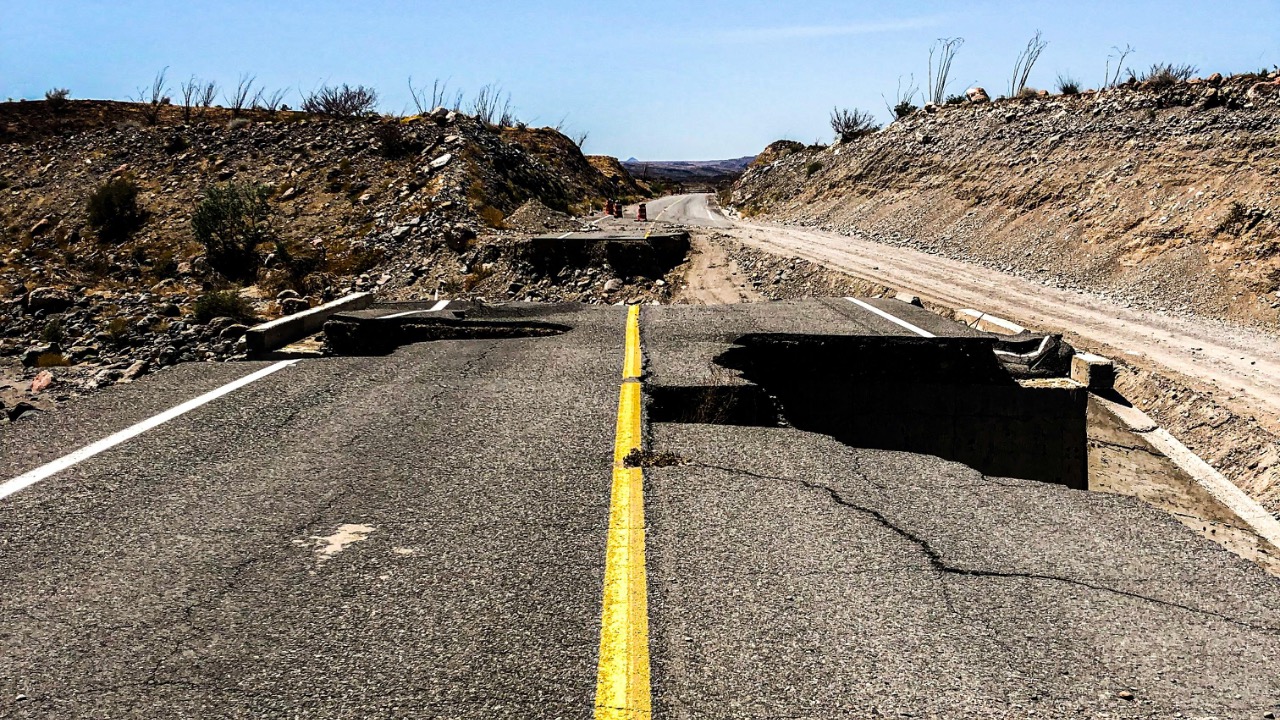
Report Identifies States With the Most Deteriorated Road Infrastructure
A recent analysis of U.S. roadway conditions highlights that several states are continuing to struggle with aging pavement, bridge maintenance, and long-term funding gaps. The findings point to a broader national issue where repair needs are growing faster than budgets can keep up, leaving some regions with noticeably worse driving conditions than others.
Across the country, road quality varies widely depending on weather, traffic volume, and how consistently states invest in maintenance. Studies tracking pavement conditions show that a portion of the U.S. road network is still rated in poor condition, with urban areas often feeling the effects more strongly than rural ones due to heavier traffic and slower repair cycles.
States often flagged for worst conditions
Recent rankings based on pavement roughness and maintenance needs frequently place states like California, Rhode Island, and New York among those with the most deteriorated road conditions. These states tend to have high traffic loads and older infrastructure systems that require constant upkeep.
At the same time, some lower-ranked states face different challenges, such as harsh winter weather or limited funding flexibility. Even when spending levels are high, it doesn’t always translate into smoother roads, since factors like geography and construction costs can significantly affect outcomes.
Why road conditions vary so much
One major reason for differences in road quality is climate. Freeze-thaw cycles in colder states can cause pavement to crack and break down faster, while extreme heat can soften asphalt and lead to rutting in warmer regions. Over time, this creates uneven wear patterns that are expensive to fix.
Traffic volume also plays a major role. States with large urban populations see more constant strain on highways and local roads, which increases how often repairs are needed. Heavy freight routes add even more pressure, especially near major ports and industrial centers.
Funding gaps and long-term maintenance issues
Infrastructure reports often point to a growing gap between what states need to spend on roads and what they actually budget. Even with federal support programs, many states still fall behind on long-term maintenance schedules, leading to backlogs that grow year after year.
This shortfall can create a cycle where roads deteriorate faster than they can be repaired. Once pavement reaches a poor condition, repairs become more expensive, which makes it harder for states to catch up without increasing funding or restructuring priorities.
Impact on drivers and local economies
Poor road conditions don’t just affect comfort—they can increase vehicle repair costs, fuel consumption, and travel time for drivers. In heavily affected states, potholes and uneven pavement can also raise safety concerns, especially during bad weather or heavy traffic periods.
Local economies feel the impact as well. Transportation delays can affect supply chains, delivery times, and commuting efficiency. For businesses that rely on trucking and logistics, road quality becomes a direct cost factor that can influence pricing and operations.
What states are doing to respond
Many states have started increasing investment in infrastructure through repair programs, bond funding, and federal assistance packages. Some are prioritizing “asset management” approaches, focusing on preventing roads from deteriorating rather than only repairing them after damage occurs.
However, progress tends to be gradual. Large-scale road systems take years to upgrade, and improvements are often uneven depending on budget cycles and political priorities. As a result, infrastructure conditions are expected to remain a key issue in state planning for the foreseeable future.

Leo’s been tracking game and tuning gear since he could stand upright. He’s sharp, driven, and knows how to keep things running when conditions turn.