Reports Emerge on Condition of Iranian Leader Following U.S. Strike
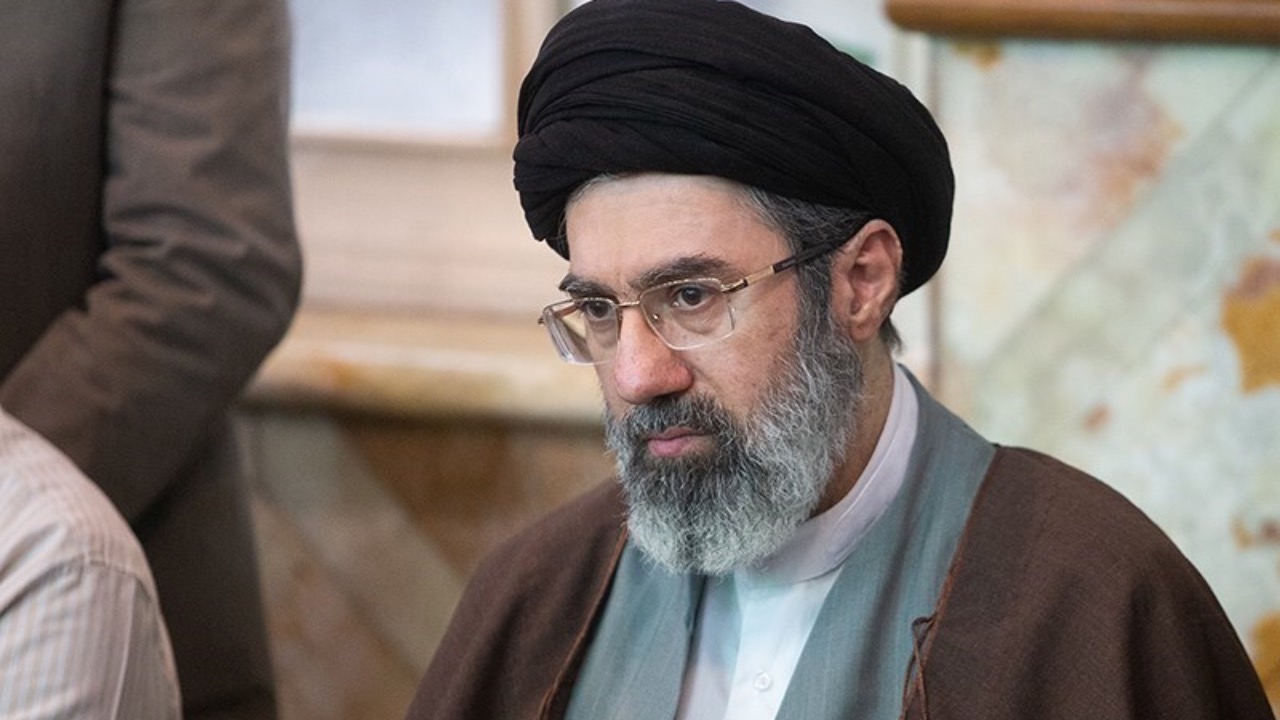
You have probably followed the headlines coming out of the Middle East these past weeks. In late February, joint U.S. and Israeli airstrikes hit targets across Iran, including sites tied to top leadership. Those operations killed Supreme Leader Ayatollah Ali Khamenei and several senior figures. His son, Mojtaba Khamenei, quickly stepped into the role amid the chaos. Now fresh accounts describe the new leader’s physical state and what that might mean for Iran’s direction while the country remains locked in conflict.
Background on the February Strikes
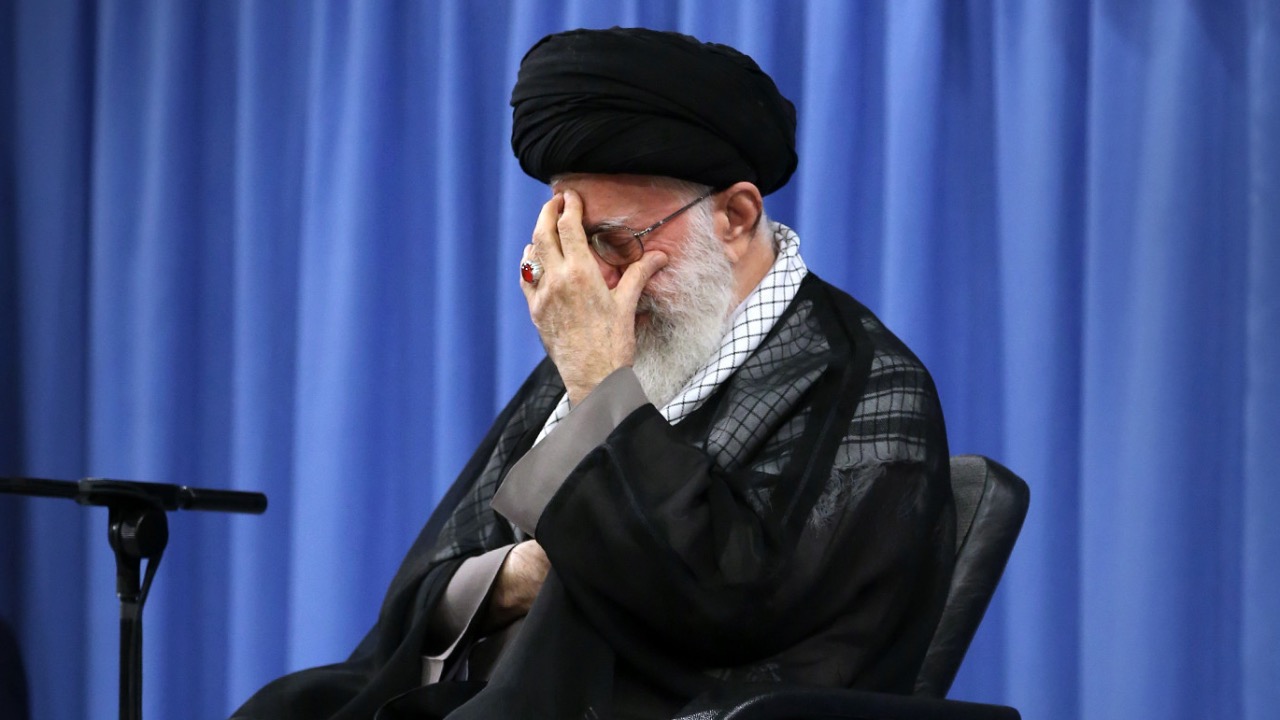
The strikes on February 28 caught many observers off guard in their scope. U.S. and Israeli forces targeted military installations, government buildings, and locations linked to the supreme leader’s compound in Tehran. Ali Khamenei did not survive the assault. Iran confirmed his death and declared a period of mourning. Mojtaba Khamenei, who had long operated behind the scenes with ties to the Revolutionary Guards, emerged as the successor after an expedited process under Iran’s constitution.
You can see how quickly events moved. An interim council handled immediate functions before the formal transition. Mojtaba pledged continuity and resistance even as Iranian forces launched retaliatory actions and closed parts of the Strait of Hormuz. The power shift happened under fire, with ongoing operations adding pressure on the new leadership from the start.
Details Circulating About Mojtaba Khamenei’s Injuries
Accounts from sources close to Iran’s inner circle point to serious wounds Mojtaba sustained during the same wave of strikes. Reports mention injuries to his legs and face that left noticeable effects. He has stayed out of public view since entering treatment, reportedly in Qom. Some descriptions speak of disfigurement that makes appearances difficult for now.
Despite the physical toll, people familiar with his situation say he stays mentally engaged. He joins high-level discussions through audio channels and follows developments on peace talks. Iranian statements emphasize his involvement in decisions about the war effort and negotiations, even if conducted remotely. These details come from anonymous insiders and have not received full independent checks on the ground.
How Iran Has Responded to Questions on His Health
Tehran has kept official comments limited. State media highlights Mojtaba’s written statements calling for continued resistance and unity among allied groups. One recent message stressed that Iran seeks no broader war but will defend its positions. Officials avoid direct talk of his condition, focusing instead on the country’s resolve amid strikes and blockades.
You notice the pattern in how authoritarian systems handle leadership vulnerabilities. Public silence protects stability while proxies and media outlets test reactions abroad. Some Iranian channels deny exaggeration of injuries, while others let the absence speak for itself. The approach leaves room for speculation without handing opponents clear propaganda wins.
Implications for Iran’s Decision-Making Process
With Mojtaba recovering away from cameras, day-to-day authority appears spread among military commanders, guards officials, and remaining civilian figures. Reports describe fractured discussions between hardliners pushing escalation and others open to de-escalation. The leadership circle has narrowed after losses in the initial strikes.
This setup creates delays in responses to U.S. and Israeli moves. Negotiators in Pakistan-mediated talks operate under constraints, knowing their supreme leader weighs in remotely. Observers watch for signs of paralysis or, conversely, more aggressive actions meant to project strength. The uncertainty adds another layer to an already volatile battlefield that includes naval tensions in the Gulf.
Global Reactions and Speculation
Outside Iran, governments and analysts parse every rumor for clues about regime durability. U.S. officials have referenced the new leader’s wounds in briefings, sometimes framing them as evidence of weakened command. Allies and adversaries alike adjust postures while monitoring whether internal strains could open new diplomatic paths or spark harder retaliation.
You see the broader stakes. Oil markets react to any hint of prolonged Hormuz disruptions. Regional partners weigh risks of wider spillover. The reports on Mojtaba’s condition feed into debates about how much centralized control remains in Tehran and whether the transition might invite challenges from within the system itself.
What Comes Next for Iranian Leadership
Recovery timelines remain unclear. Some accounts suggest months before any public reappearance, depending on security and health factors. In the meantime, Iran continues operations through established channels while testing cease-fire extensions and talks. The new supreme leader’s ability to consolidate authority will shape whether the country pursues compromise or doubles down.
These developments leave plenty of open questions. The strikes altered Iran’s top tier in dramatic fashion, and the emerging picture of Mojtaba’s situation adds complexity to an already tense chapter. As more details surface, they will influence how both sides calculate their next steps in a conflict that has already redrawn parts of the regional map.

Asher was raised in the woods and on the water, and it shows. He’s logged more hours behind a rifle and under a heavy pack than most men twice his age.