Scientists Propose Mega-Dam Across the Bering Strait Between Russia and Alaska to “Stabilize” Ocean Currents
A new idea circulating in scientific and engineering discussions has sparked attention online: the concept of a massive dam or barrier system spanning the Bering Strait, the narrow body of water between Russia and Alaska. The proposal is aimed at addressing long-term climate and ocean circulation changes, but it has also raised immediate questions about feasibility, cost, and unintended consequences.
The Bering Strait is one of the most important ocean gateways in the world. It connects the Arctic Ocean with the Pacific Ocean, allowing water, nutrients, and sea ice to move between the two major systems. Even small changes in this region can influence broader ocean currents and climate patterns.
The Idea Behind the Proposal

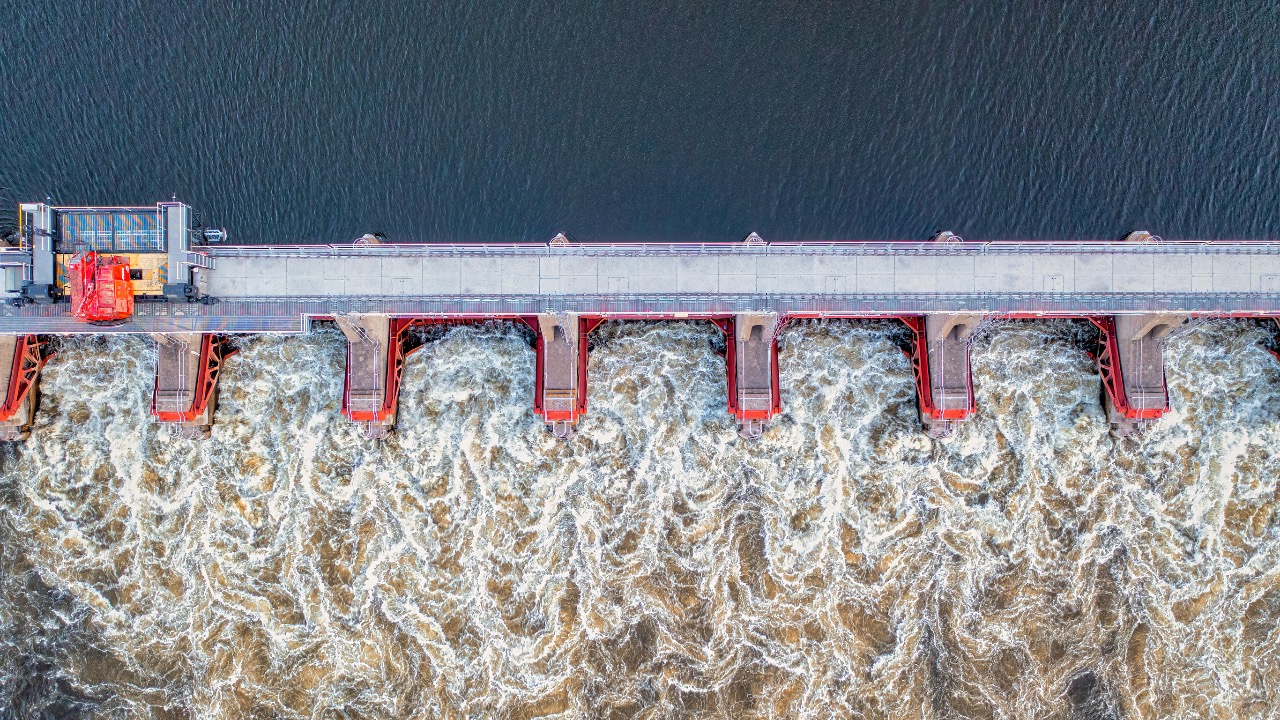
According to discussions around the concept, the proposed structure would act as a large-scale control point for water flow between the Arctic and Pacific Oceans. Supporters of the idea suggest that managing the exchange of water could potentially help stabilize shifting ocean currents that are being affected by rising global temperatures and melting ice.
In theory, the structure could regulate salinity, slow down warming inflows, or reduce some of the cascading effects linked to Arctic ice loss.
Why the Bering Strait Matters
The strait is relatively narrow — about 80 kilometers (50 miles) at its widest point — but it plays an outsized role in global ocean circulation. Cold Arctic water flows southward while warmer Pacific water flows northward, helping to balance temperature and salinity across both oceans.
Because of that, even small disruptions in this region are closely studied by climate scientists. The idea of physically altering or controlling that flow on a large scale is what makes the proposal both interesting and controversial.
Big Engineering, Bigger Questions
While the concept is framed as a potential climate intervention, the practical challenges are enormous. The Bering Strait is remote, environmentally sensitive, and subject to extreme weather conditions, including sea ice, storms, and freezing temperatures for much of the year.
A structure of that scale would also involve cooperation between multiple nations, including the United States and Russia, adding a major geopolitical layer to any discussion of feasibility.
Environmental Concerns
Beyond engineering challenges, environmental scientists have raised concerns about what such a barrier could do to marine ecosystems. The Bering Strait is a key migration route for fish, marine mammals, and other species that depend on open water flow between the Arctic and Pacific.
Altering that system could have unpredictable ripple effects across food chains and regional ecosystems that are already under pressure from climate change.
Why the Idea Is Getting Attention
Part of the reason the concept is being widely discussed is because it reflects a broader trend in climate engineering proposals — large-scale interventions aimed at slowing or redirecting environmental change.
Even if not intended as an immediate construction plan, ideas like this tend to spark debate because they sit at the intersection of urgency and uncertainty: the desire to act on climate issues, and the fear of unintended consequences from doing so.
The Bigger Picture
At its core, the idea of a mega-dam across the Bering Strait is less about a single project and more about a growing question in climate science: how far should humans go in actively reshaping natural systems to manage global change?
For now, it remains a theoretical proposal, but it highlights just how large-scale and complex some climate intervention ideas have become — and how quickly they can move from academic discussion into public debate.

Leo’s been tracking game and tuning gear since he could stand upright. He’s sharp, driven, and knows how to keep things running when conditions turn.