Justice department anticipates supreme court will legalise AR-15 rifles
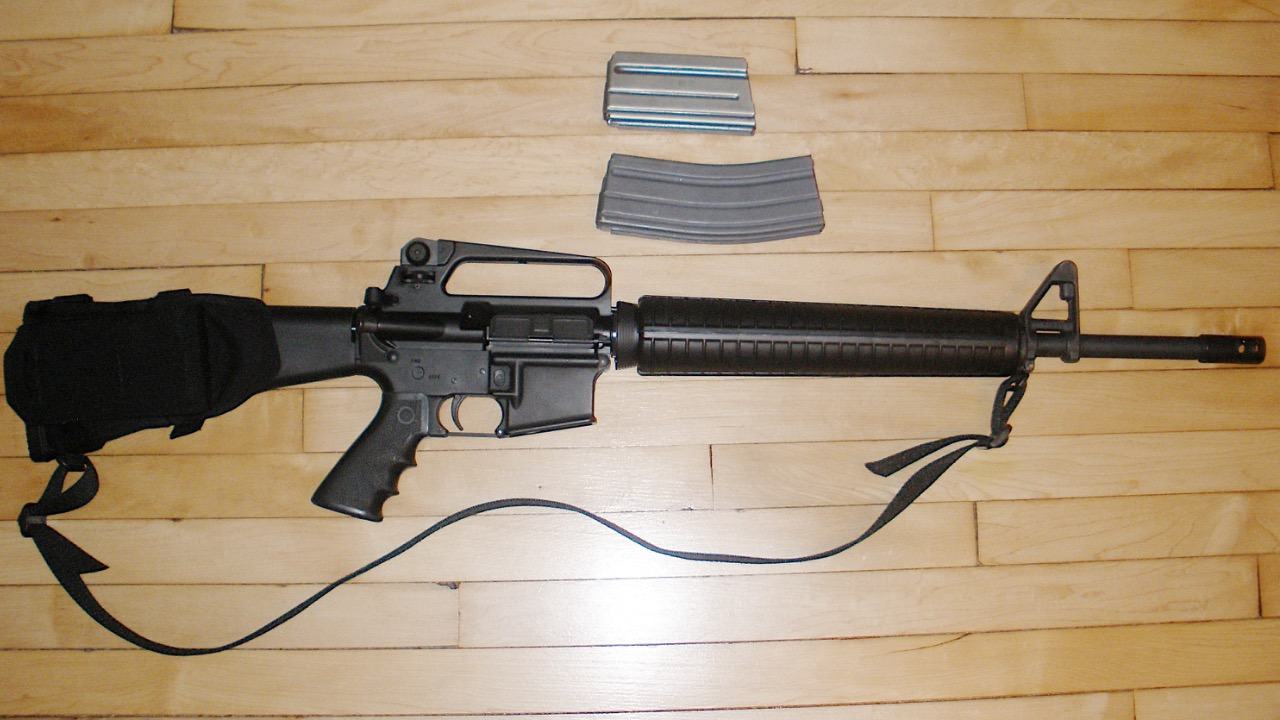
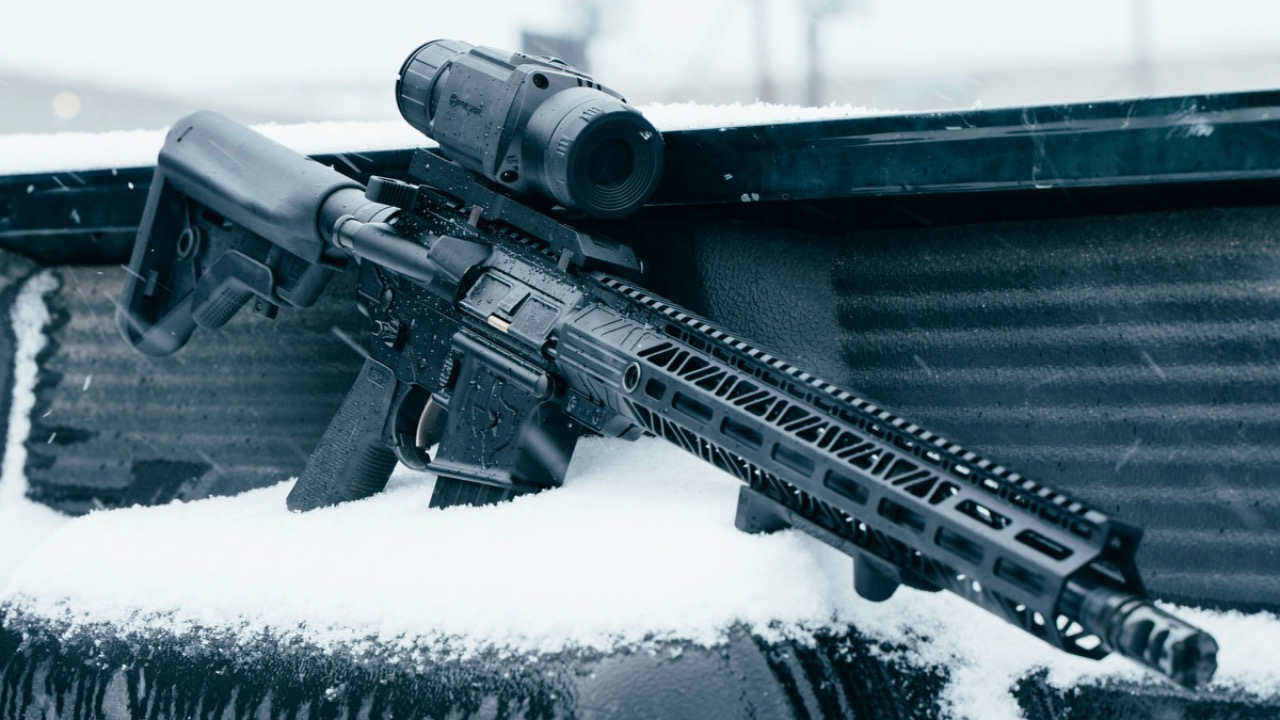
The Justice Department has stepped into the fray over gun restrictions in a way that could reshape the landscape for firearm ownership nationwide. Officials there just filed lawsuits against Denver and the state of Colorado, challenging decades-old rules that ban certain semiautomatic rifles and large-capacity magazines. At the center of it all sits the AR-15, a rifle many Americans own for sport, self-defense, or hunting. Assistant Attorney General Harmeet Dhillon, the department’s top civil rights lawyer, went on record this week predicting the Supreme Court will ultimately rule these rifles legal everywhere for law-abiding citizens. The department, she said, plans to push hard to make that outcome real.
You see the strategy taking shape through these legal challenges. They build on recent Supreme Court precedents that emphasize historical traditions for gun rights and the common everyday use of certain firearms. What once looked like settled state and local policy now faces fresh federal scrutiny, and the timing feels deliberate. With the current makeup of the court, the department senses momentum. This isn’t abstract legal theory. It touches real decisions you might face if you live in a place with tight rifle rules or simply follow the national conversation on the Second Amendment.
Justice Department Lawsuits Target Colorado Gun Restrictions
The department moved quickly this week, first suing the city of Denver over its 1989 ordinance that prohibits many semiautomatic rifles. A day later it challenged Colorado’s statewide ban on magazines holding more than fifteen rounds. Both actions argue the restrictions violate the Second Amendment by targeting weapons and accessories in common use among ordinary citizens.
Lawyers for the department point out that the AR-15 platform ranks as one of the most widely owned rifles in the country. They contend that labeling it an “assault weapon” or calling standard magazines “large capacity” distorts reality and ignores how these items function in everyday civilian hands. The suits aim to clear the way for broader ownership without the patchwork of local prohibitions that have persisted for years.
Harmeet Dhillon Outlines Expectations for the Supreme Court
Dhillon spoke plainly in a recent interview about the department’s outlook. She believes the court has already laid the groundwork through earlier rulings that protect firearms in common use by law-abiding people. Adding the AR-15’s widespread popularity into that framework, she sees a clear path to nationwide legality.
Her comments carry weight because they come directly from the official steering civil rights enforcement at the Justice Department. She described the current lawsuits as low-hanging fruit that could lead to a decisive ruling. The goal, according to her, is to ensure the Supreme Court gets the chance to settle the issue once lower courts weigh in further.
Precedents from Heller and Bruen Shape the Legal Strategy
The department leans heavily on the 2008 Heller decision and the 2022 Bruen ruling. Those cases established that the Second Amendment covers weapons typically possessed by law-abiding citizens for lawful purposes and that regulations must align with the nation’s historical tradition.
You can trace the department’s current arguments straight back to those standards. They insist modern bans on AR-15-style rifles fail both tests. The focus remains on whether the rifle qualifies as commonly owned and whether any restriction mirrors rules from the founding era. This analytical lens now drives the federal challenges in Colorado.
The AR-15’s Status as America’s Most Common Rifle
Court records and statements from the department repeatedly highlight the AR-15’s popularity. A prior unanimous Supreme Court reference in a Smith & Wesson matter noted it as the most commonly owned and operated rifle in the United States. That factual baseline matters when judges apply the common-use test.
Ownership data and sales trends back up the claim. Millions of these rifles sit in private hands across the country, used for everything from target practice to home defense. The department argues that such prevalence makes blanket bans constitutionally suspect rather than reasonable regulation.
Kavanaugh Signals the Court May Take Up the Issue Soon
Justice Brett Kavanaugh recently wrote that the Supreme Court should and likely will address AR-15 restrictions in the near future. His statement came after the court declined one specific case but left the door open for others already moving through lower courts.
You notice the careful wording. It suggests the justices want more development in the lower courts before stepping in, yet they see the question as inevitable. That kind of signal from a key conservative justice adds fuel to the department’s prediction that a national ruling lies ahead.
Potential Impact on States with Active Firearm Bans
Several states still enforce bans or strict limits on semiautomatic rifles similar to those in Colorado. If the Supreme Court follows the trajectory the department anticipates, those laws could face fresh challenges or outright invalidation.
The ripple effect would reach gun owners, lawmakers, and law enforcement in places with long-standing restrictions. You might see quicker access to certain models in more jurisdictions, along with shifts in how states draft future safety measures. The department’s lawsuits serve as early tests of that broader shift.
Reactions from Gun Rights Advocates and Opponents
Gun rights groups welcomed the department’s actions and Dhillon’s comments as a long-awaited defense of constitutional principles. They view the AR-15 as a standard tool for responsible citizens rather than an exotic threat.
On the other side, officials in Colorado and gun safety organizations expressed disappointment. They argue the bans exist to reduce risks after past mass shootings and worry a Supreme Court decision could limit states’ ability to respond to local violence patterns. The divide remains sharp, with both sides watching the federal courts closely.
What Comes Next in the Legal Timeline
The Colorado cases now sit in federal district court, where judges will consider the department’s arguments. Appeals could follow, potentially landing the issues before the Supreme Court within the next term or two.
You can expect more filings and public statements as the process unfolds. The department has made its position clear: it will keep pressing until the highest court weighs in. For now, the focus stays on building the record that supports treating the AR-15 as presumptively legal nationwide.

Asher was raised in the woods and on the water, and it shows. He’s logged more hours behind a rifle and under a heavy pack than most men twice his age.