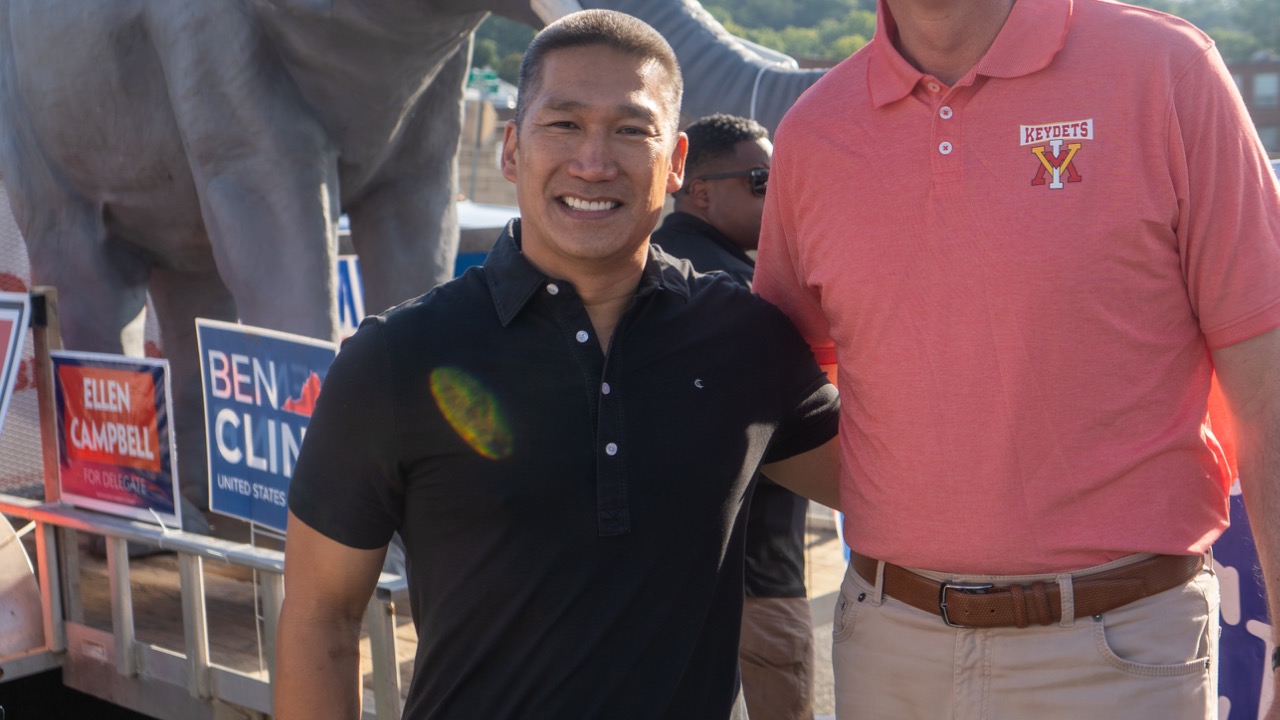
Acting Navy Secretary Hung Cao highlights crisis of veteran suicides
Acting Navy Secretary Hung Cao brings decades of service to one of the most pressing issues facing those who wore the uniform. A retired captain with combat deployments in Iraq, Afghanistan, and Somalia, he recently spoke out about the heavy toll of veteran suicides. His words carry weight from someone who has seen the realities of military life up close. As you consider the stories behind these numbers, the human cost becomes impossible to ignore. Cao’s call to address this loss reflects a deeper awareness of what many carry after their time in service.
Background of a Combat Veteran Leader
Hung Cao arrived in the United States as a child refugee from Vietnam in 1975. He later enlisted in the Navy, graduating from the Naval Academy and building a career as a diver and explosive ordnance disposal officer. His path included leadership roles at the Pentagon and multiple overseas assignments.
You see in his experience the kind of perspective that comes from years balancing operational demands with the personal realities service members face. Now in the acting secretary role since April 2026, Cao oversees a force where these issues hit home. His history informs how he approaches the responsibilities ahead.
Cao’s Recent Comments on the Issue
In a recent interview, Cao expressed mourning for the many veterans who have died by suicide. He emphasized the need to stop these deaths, describing them as too numerous to accept. His remarks came during a conversation focused on frontline military concerns.
This direct acknowledgment stands out because it comes from the top civilian leader of the Navy. You hear in his statements a recognition that prevention requires attention at every level. The message underscores urgency without exaggeration, grounded in the experiences of those who served.
Understanding the Scale of Veteran Suicides
Veterans face suicide rates notably higher than the general population. In recent years, data shows around 6,400 veteran deaths by suicide annually, averaging more than 17 per day. Adjusted rates place veterans at roughly 1.5 times the risk compared to non-veterans.
These figures persist even as overall numbers fluctuate slightly year to year. Many who die by suicide had not recently used VA health services. Younger veterans and those dealing with transition challenges often show elevated risks. The patterns reveal gaps that extend beyond immediate service.
Factors Contributing to the Crisis
Service members encounter unique pressures during and after their time in uniform. Deployments, injuries, and the shift to civilian routines can compound isolation or untreated mental health concerns. Access to firearms, common in military circles, plays a role in many cases.
You recognize how these elements interact with broader life stressors. Not every veteran experiences the same path, yet common threads appear in reports on adjustment difficulties. Addressing root causes means looking at both prevention resources and community support networks.
Navy’s Role in Prevention Efforts
The Navy operates within a larger system working on suicide prevention. Programs focus on training, peer support, and mental health resources for active duty and veterans. Leadership like Cao can influence priorities around readiness and long-term well-being.
Progress depends on consistent implementation and reaching those who hesitate to seek help. You see potential in combining operational focus with sustained attention to these challenges. Real change requires ongoing commitment across commands and support organizations.
Paths Forward for Support
Communities and organizations continue developing targeted approaches to reduce risks. This includes better transition assistance, expanded access to care, and reducing stigma around asking for help. Research highlights the value of early intervention and connection.
As you weigh these efforts, the emphasis remains on practical steps that respect individual experiences. Cao’s position allows him to advocate for measures that strengthen both the force and those who have left it. The work involves many hands, from policymakers to fellow veterans offering support.

Asher was raised in the woods and on the water, and it shows. He’s logged more hours behind a rifle and under a heavy pack than most men twice his age.