Iran declares ‘no point’ in peace talks with US following Israel’s latest strike on Beirut
Tensions in the Middle East have escalated once again after Israel carried out a strike on Beirut’s southern suburbs. Iran responded by signaling that negotiations with the United States over a broader peace agreement have lost their value. The move highlights the fragile nature of diplomatic efforts amid ongoing regional conflicts involving proxies and direct confrontations.
As someone following these developments closely, you see how a single military action can unravel months of careful maneuvering. The strike targeted areas associated with Hezbollah, prompting Tehran to question Washington’s influence over its ally. This comes at a critical juncture when talks appeared close to yielding results on sanctions relief and other issues.
The Strike That Prompted Iran’s Stance
Israeli forces hit parts of Dahieh in southern Beirut, an area long considered a Hezbollah stronghold. Officials described the operation as a targeted response to recent cross-border activity from Lebanon. Casualties were reported, with local authorities noting deaths and injuries among civilians and others in the vicinity.
For you watching from afar, this incident underscores the persistent challenges in separating different fronts in the conflict. Hezbollah’s actions and Israel’s retaliation keep pulling in larger players. Iran has repeatedly tied any comprehensive deal to stability in Lebanon, viewing attacks there as direct challenges to its interests. The timing, right as progress seemed possible, added to the frustration in Tehran.
Iran’s Message to Washington
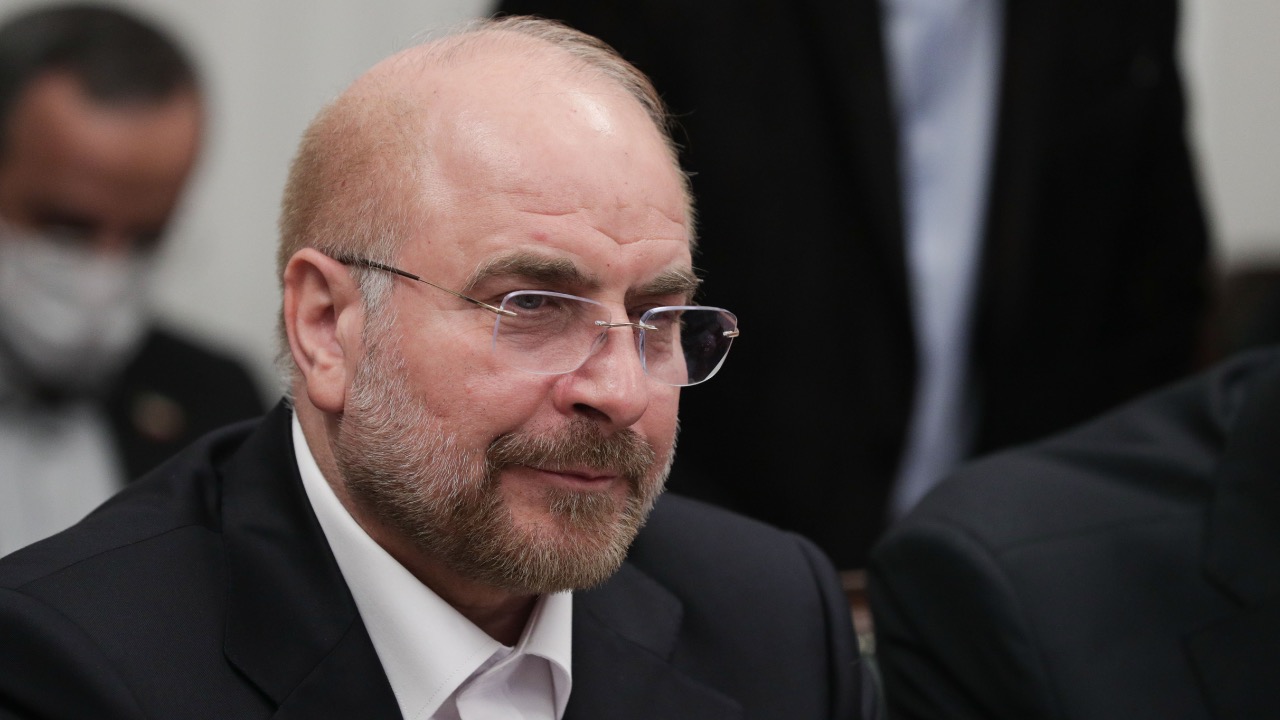
Iran’s chief negotiator, Mohammad Bagher Ghalibaf, stated publicly that there is no point in continuing dialogue with the United States. He pointed to the strike as evidence that Washington either lacks the will or the capability to honor its commitments, particularly regarding restraint on Israeli operations.
You can sense the calculated tone in these remarks. Tehran has long insisted that Lebanon must factor into any agreement, refusing to treat it as a separate issue. By linking the Beirut strike to the broader negotiations, Iranian officials are putting pressure on the process while signaling their red lines remain firm. This position reflects deep skepticism built from years of indirect and direct dealings.
The Broader Context of U.S.-Iran Negotiations
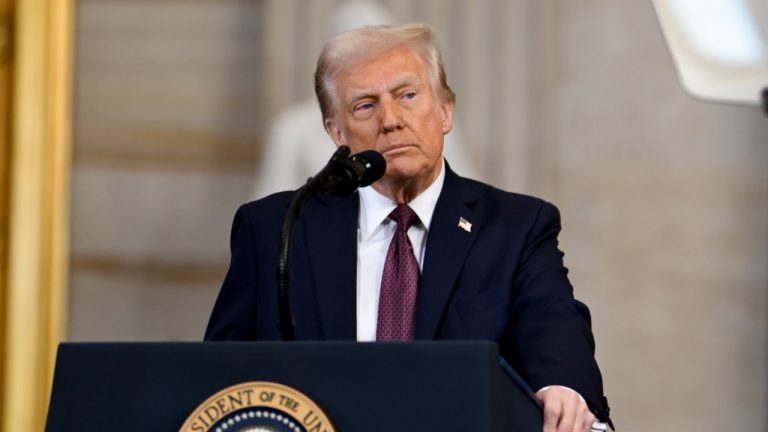
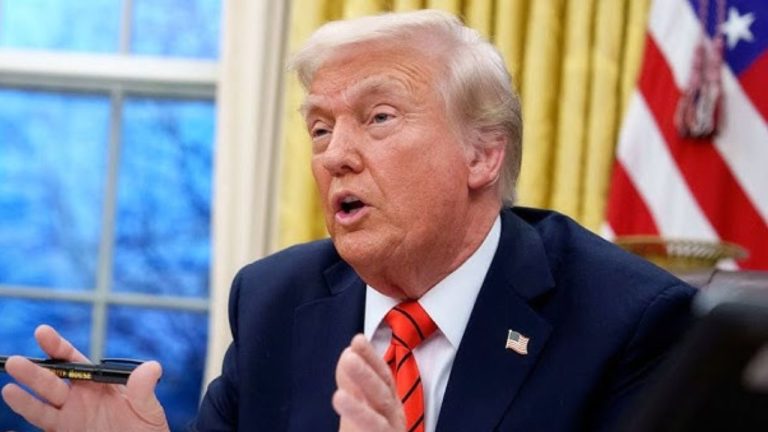
Efforts to reach a deal between the United States and Iran have involved mediators and focused on de-escalation, sanctions, and regional security. President Donald Trump has expressed optimism, at times suggesting an agreement could come soon and warning both sides against derailing it.
In your view of the situation, these talks represent a potential turning point after periods of heightened confrontation. Yet complications from Lebanon continue to surface. Iran sees its support for groups like Hezbollah as integral to its security posture, while the U.S. and Israel prioritize neutralizing threats. The gap between these perspectives makes progress uneven and vulnerable to events on the ground.
Reactions and Potential Next Steps
Trump publicly criticized the timing of the Israeli action, posting that it should not have happened and urging restraint to protect diplomatic gains. Mediators continue working behind the scenes, though Iran’s latest declaration introduces fresh uncertainty.
You recognize that both sides have incentives to avoid full breakdown. Iran has maintained channels open even during tough moments, and the U.S. has an interest in stabilizing key areas like energy routes. Still, the Beirut strike tests the framework. Future moves will likely depend on whether cooler heads prevail or if further retaliation follows, shaping the path ahead for the region.
Challenges Ahead for Regional Stability
The interplay between Israel, Hezbollah, Iran, and the United States adds layers of complexity to any peace effort. Past ceasefires have held unevenly, with flare-ups in Lebanon often reigniting wider concerns. For you assessing the outlook, sustained dialogue requires addressing these interconnected disputes rather than isolating them.
Ongoing developments will test the resilience of current negotiations. Iran’s firm response serves as a reminder of the stakes involved, while calls for restraint from Washington highlight the desire to keep momentum. The coming days may clarify whether this latest incident becomes a lasting setback or a hurdle that diplomacy can overcome.

Asher was raised in the woods and on the water, and it shows. He’s logged more hours behind a rifle and under a heavy pack than most men twice his age.