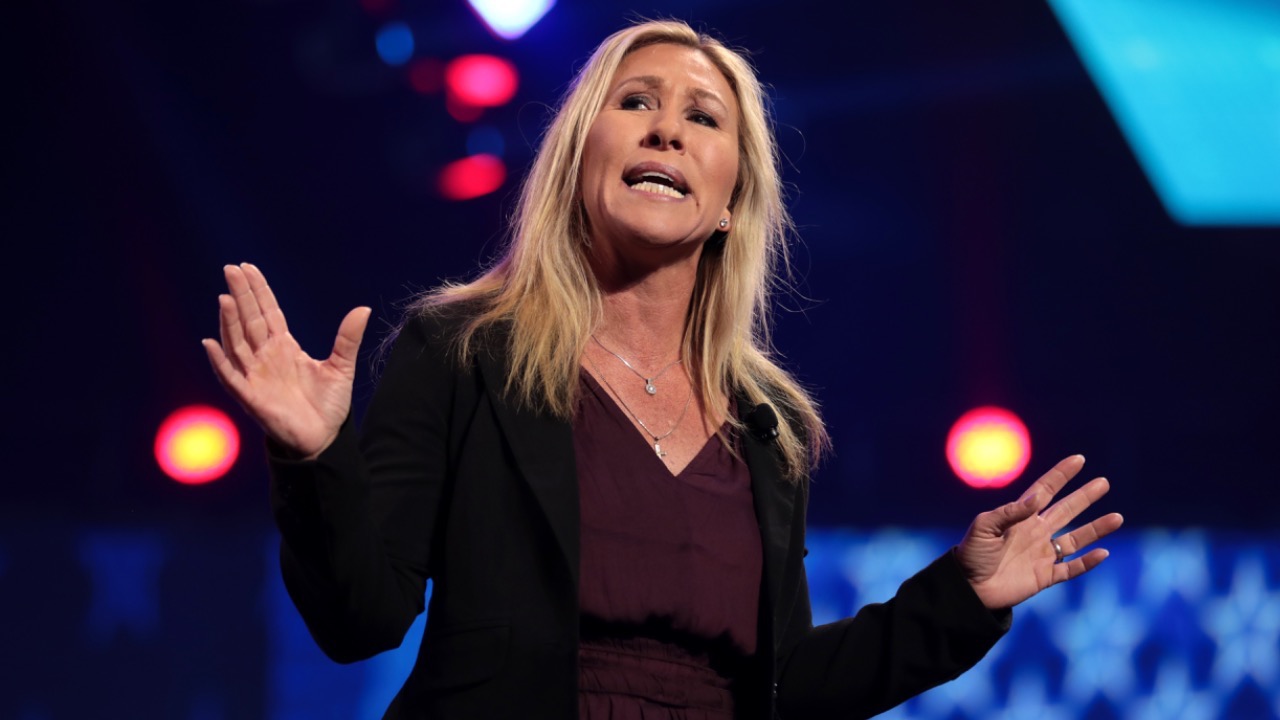
Marjorie Taylor Greene claims foreign psyops and fake social media accounts are rigging key US elections
Former Representative Marjorie Taylor Greene has raised alarms about what she describes as coordinated efforts to influence American elections through deceptive online tactics. In recent statements, the Georgia Republican pointed to foreign interests deploying large numbers of fake social media accounts as part of broader psychological operations aimed at shaping public opinion and steering outcomes in important races.
She argued that these activities go beyond traditional campaign tools, involving manipulation that affects both major parties and erodes trust in the democratic process. Greene suggested that such influence contributes to widespread disillusionment among voters, particularly as the country approaches significant milestones like its 250th anniversary.
The Role of Fake Accounts in Shaping Narratives
Greene highlighted the scale of fake social media profiles that she believes operate as tools for foreign actors. These accounts, according to her, push targeted messages designed to sway opinions on candidates and policies during election cycles. She noted that this method allows external forces to amplify certain viewpoints while suppressing others, creating an uneven playing field.
Observers have long tracked concerns about coordinated online activity, but Greene framed it as a direct threat to voter control. She pointed out that average Americans sense a lack of genuine influence over their government, which she linked to declining participation in elections. This dynamic, she contended, stems in part from orchestrated campaigns that prioritize specific results over open discourse.
Foreign Influence and Its Reach Across Parties
In her assessment, foreign-backed operations do not favor one side exclusively but instead serve to secure predetermined outcomes regardless of party lines. Greene described this as a systemic issue where external players exploit digital platforms to interfere in domestic politics. She called attention to how these efforts can distort public debate on major issues.
Such claims echo broader debates about election security and digital vulnerabilities. Greene has pushed for stronger measures to address these challenges, emphasizing the need for safeguards that protect the integrity of the vote. Her position reflects ongoing discussions in political circles about balancing free speech with defenses against manipulation.
Broader Concerns Over Election Integrity
Greene connected online psyops to other alleged problems, including issues with voting machines and mail-in ballots. She maintained that these combined factors undermine confidence in key contests. Her remarks come amid continued scrutiny of how elections are conducted and protected in the United States.
She has advocated for legislative steps, such as election integrity bills, to counter these threats. Critics often question the evidence behind her assertions, while supporters see them as necessary warnings about real risks to self-governance. The debate continues as officials and platforms grapple with enforcement.
Voter Disillusionment and the Path Forward
The former congresswoman suggested that many citizens already feel disconnected from the political system due to these influences. This sense of powerlessness, she argued, discourages engagement and weakens democratic participation. She tied it directly to perceptions that external forces hold sway over results.
Greene’s comments have sparked renewed conversation about reforming how elections handle digital threats. As technology evolves, the challenge of distinguishing authentic voices from manufactured ones grows more complex, prompting calls for greater transparency and accountability from both government and tech companies.

Asher was raised in the woods and on the water, and it shows. He’s logged more hours behind a rifle and under a heavy pack than most men twice his age.