Open carry on military bases sparks strong reactions across the country
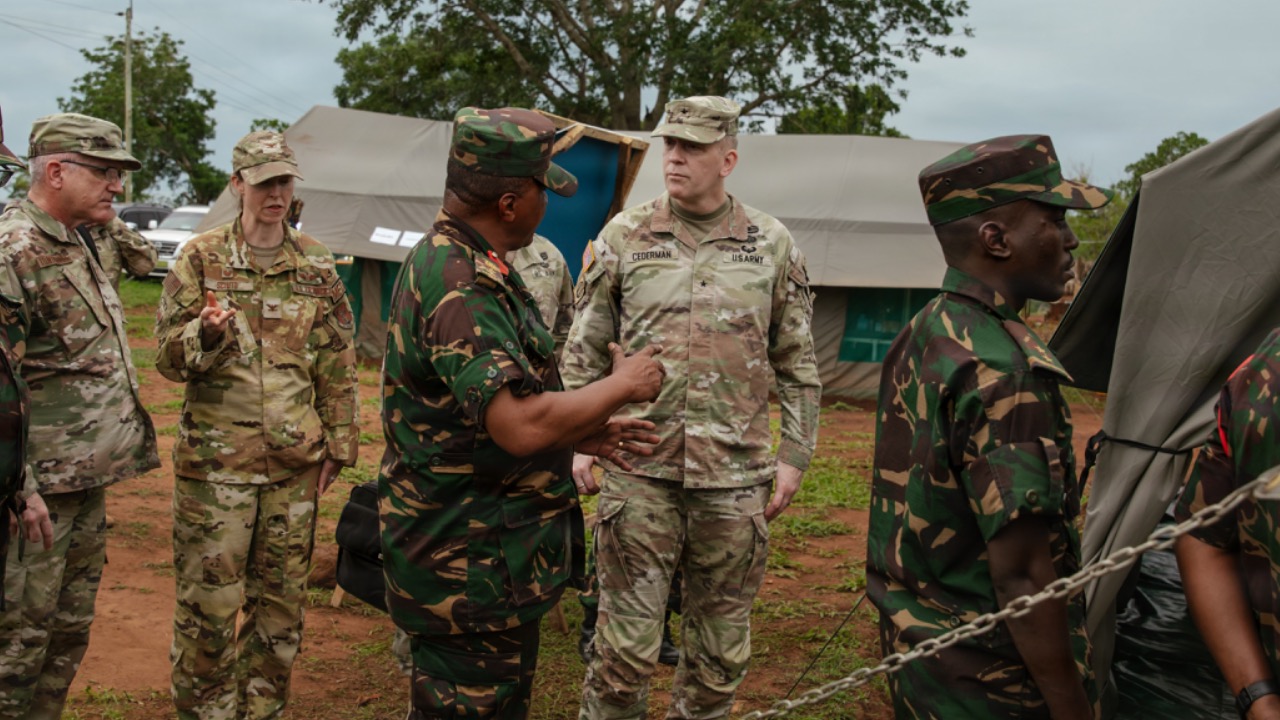
You have seen the headlines, and the story has moved fast. Two days ago, Defense Secretary Pete Hegseth signed a memo that directs commanders at U.S. military installations to let off-duty service members request permission to carry their own privately owned firearms. The presumption now leans toward approval for personal protection. This marks a sharp break from rules that made it nearly impossible for most troops to keep a personal weapon on base. The announcement has triggered debate from barracks to living rooms, with people on all sides weighing safety, rights, and what daily life on post will look like now.
What the policy actually allows
You might picture service members walking around with sidearms in plain view, but the details are more measured. The memo applies only to uniformed personnel on domestic installations while they are off duty. Requests go through installation commanders, who must explain any denial in writing. Firearms still need to be registered, and certain spots like military police buildings remain off-limits. The change does not hand out blanket permission or override state laws where the base sits. It simply removes the old high bar that treated personal weapons as exceptions rather than something troops could reasonably ask for.
Service members have long stored guns off base or left them with family. Now the process tilts in their favor when they want to keep one nearby for protection. Commanders keep oversight, but the default mindset has shifted. This setup aims to give troops more control over their own security without turning every post into an unregulated range.
Why the timing caught attention
Recent shootings at places like Fort Stewart in Georgia and Holloman Air Force Base in New Mexico stayed fresh in the minds of Pentagon leaders. Those incidents, along with the 2019 attack at Naval Air Station Pensacola, highlighted how quickly threats can develop inside the wire. Hegseth pointed to them directly when he announced the memo, arguing that troops should not have to wait for help when danger appears close to home.
The policy also nods to the Second Amendment argument that service members deserve the same self-protection options as civilians. For years the default treated bases as areas where personal firearms stayed locked away unless you were on guard duty or in training. That approach left many feeling exposed, especially after attacks where response times mattered. Hegseth framed the old rules as creating gun-free zones that put people at unnecessary risk.
How service members will actually request permission
If you serve, the process starts with a formal request to your installation commander. You explain why you want to carry for personal protection, and the memo tells commanders to start from the assumption that the need is valid. Approval still requires background checks and registration, plus any local training or storage rules the base sets. Denials cannot be casual; they demand a written explanation.
This structure keeps accountability in place. Bases already track privately owned weapons through registration programs, so the paperwork side will not feel entirely new. Troops who already qualify under state concealed-carry laws may find the transition smoother, but everyone must follow installation-specific guidelines on where and when they can have the firearm.
Support from those who see it as overdue
Many veterans and active-duty voices welcomed the shift. They argue that trained service members should not lose their ability to defend themselves simply because they step onto post. Comments poured in after the announcement praising the move as common sense, especially for people who live and work on base around the clock. Some pointed out the irony of civilians carrying in public spaces while troops could not on their own installations.
Gun-rights groups echoed that view, calling the change a restoration of rights rather than a risky experiment. They see it as aligning military policy with the expectation that armed forces personnel know how to handle weapons responsibly. For them, the memo corrects a long-standing imbalance that treated service members as less trustworthy than the average citizen back home.
Concerns raised by critics and veterans groups
Others worry the policy could raise risks inside tight-knit base communities. The Iraq and Afghanistan Veterans of America issued a statement cautioning that mixing personal firearms with everyday base life might complicate suicide prevention efforts and increase accidental discharges. Some former troops mentioned barracks culture, where alcohol and stress already play roles, and questioned whether more guns would help or hurt readiness.
Gun-control advocates and certain military analysts highlighted suicide statistics and past incidents where personal weapons factored into tragedies. They question whether commanders can realistically review every request without straining resources. Even supporters of the idea admit that training and enforcement will need close watching to avoid problems down the line.
Reactions spreading from bases to the wider public
The news hit social media and cable channels hard, splitting along familiar lines. Pro-gun accounts celebrated it as a win for self-defense and troop morale. Others expressed disbelief that bases with gates, guards, and identification checks still needed armed service members walking around. Congressional voices on both sides weighed in quickly, with some calling for hearings on implementation and others urging caution.
Local news near major installations picked up the story fast, interviewing families who live on post. The debate feels personal for many: parents wondering about their kids in uniform, veterans recalling old restrictions, and civilians asking how this fits with broader gun conversations happening across states. Strong feelings surfaced because the change touches on trust, safety, and how the military balances rights with discipline.
What stays the same on base
You should know the policy does not open the floodgates. Training ranges and duty requirements remain unchanged. Military police keep their authority, and the Pentagon itself stays under tighter rules. Storage rules, background checks, and restrictions on alcohol-related carry will still apply. Commanders retain flexibility to set additional limits based on their installation’s unique needs.
This is not a free-for-all. The memo focuses on off-duty personal protection rather than arming everyone for every moment. Existing security forces and emergency response plans continue as before. The goal is targeted access for those who want it, not a wholesale rewrite of base operations.
Looking ahead to how it plays out
Implementation will test the balance between access and control. Bases will need time to update forms, train staff on the new presumption standard, and monitor early results. Troops will watch closely to see whether approvals come quickly or face quiet pushback. Safety data from the first few months could shape whether the policy expands, contracts, or stays steady.
The conversation it started reaches beyond any single memo. It forces a fresh look at how the military protects its own people while they protect the country. Whatever your view, the change is real, the reactions are loud, and the next few weeks will show how it settles into everyday life on post.

Asher was raised in the woods and on the water, and it shows. He’s logged more hours behind a rifle and under a heavy pack than most men twice his age.