Top 10 Wild Animals You Never Want to Meet Up Close
Encounters with wild animals in their natural habitats carry inherent risks, shaped by the creatures’ size, strength, speed, and defensive instincts. While many species avoid humans, certain ones stand out for their capacity to inflict severe harm or death when surprised, cornered, or threatened. These animals command respect from a safe distance, as their behaviors reflect millions of years of evolution as apex predators or territorial giants. Understanding their habits helps explain why close meetings often end badly.
Grizzly Bear
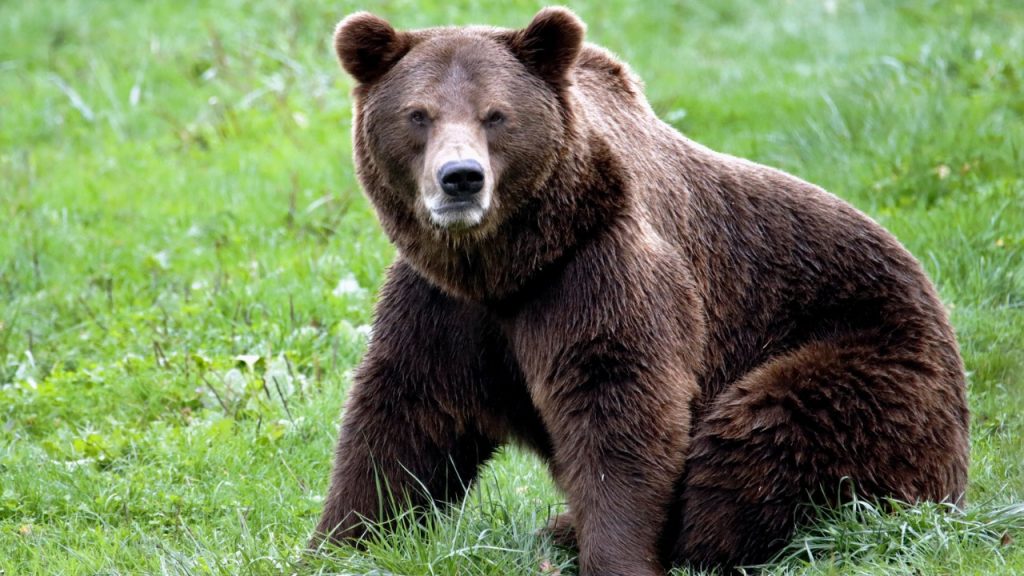
Grizzly bears dominate remote wilderness areas across North America with their massive builds and powerful claws. A single swipe can deliver devastating force, capable of breaking bones or causing fatal injuries in defensive situations. These bears possess keen senses and can charge at high speeds when they feel their space or cubs are at risk.
Their unpredictable nature adds to the danger during unexpected meetings, especially in dense forests or near food sources. Hikers and campers who venture into bear country emphasize the need for awareness and proper precautions to minimize conflicts.
African Lion
African lions patrol the savannas and grasslands in prides, relying on coordinated strength and sharp senses to hunt. Males in particular project an imposing presence with their manes and muscular frames, capable of overpowering large prey. Close encounters often stem from territorial disputes or when humans inadvertently approach resting groups.
Their speed and power make evasion difficult once an attack begins. Conservation efforts in regions like Tanzania highlight ongoing human-wildlife tensions, where lions occasionally view people as threats or opportunities.
Bengal Tiger
Bengal tigers move silently through the forests and mangroves of Asia, blending into the undergrowth with their striped coats. Solitary and powerful, they can leap great distances and deliver lethal bites with jaws designed for crushing. Human encounters sometimes occur near villages bordering their shrinking habitats.
These big cats rarely seek out people but react fiercely when surprised. Their agility and raw strength turn potential sightings into high-stakes moments that demand immediate caution.
Saltwater Crocodile
Saltwater crocodiles lurk in rivers, estuaries, and coastal waters across parts of Asia and Australia, growing to lengths over 20 feet. Their ambush tactics and immense bite force allow them to drag victims underwater with little warning. Territorial by nature, they defend their aquatic domains aggressively.
Swimmers and fishers in overlapping areas face heightened risks during certain seasons. These reptiles’ ability to remain nearly invisible until striking underscores the peril of venturing too close to their habitats.
Hippopotamus
Hippopotamuses spend days submerged in African rivers and lakes but emerge as formidable land travelers when disturbed. Weighing several tons with mouths that open wide enough to reveal massive teeth, they charge at surprising speeds to protect their territory or young.
Their seemingly calm demeanor in water belies a quick temper near the banks. Boaters and locals in shared ecosystems report frequent close calls, illustrating why these animals rank among Africa’s most hazardous.
African Elephant
African elephants traverse vast landscapes in family groups, using their size and intelligence to navigate challenges. Bulls and protective matriarchs can charge with little provocation when they sense danger to the herd, trampling or goring anything in their path.
Habitat overlap with human settlements increases the chances of tense meetings. Their sheer mass and memory for past threats make them unpredictable at close range.
Great White Shark
Great white sharks patrol ocean waters worldwide, drawn by their acute senses to movement near the surface. Their powerful jaws and serrated teeth enable rapid, forceful attacks that can cause massive trauma in seconds.
Surfers and divers in known feeding areas must remain vigilant, as these predators sometimes mistake humans for prey. Though encounters remain relatively uncommon, the potential consequences highlight the ocean’s unforgiving nature.
Polar Bear
Polar bears roam the Arctic ice and coasts as the largest land carnivores, equipped with strength for hunting seals and other marine life. Their curiosity and hunger in changing environments can lead them toward human camps or settlements.
Encounters in remote northern regions carry extreme risks due to the bears’ size and lack of natural fear toward people. Climate shifts have intensified these interactions in some areas.
Black Mamba
Black mambas glide through African savannas and woodlands at high speeds, delivering potent neurotoxic venom in defensive strikes. These snakes can raise their heads and strike repeatedly when cornered, with effects that progress rapidly without prompt treatment.
Their reputation stems from both speed and the seriousness of bites in rural settings. Travelers and workers in their range stress the importance of watching the ground and maintaining distance.
King Cobra
King cobras inhabit forests across Southeast Asia, growing longer than most other venomous snakes and targeting prey with precision. Their venom affects the nervous system, and they can deliver substantial amounts during an encounter.
Often avoiding humans, they still pose threats when stepped on or disturbed in leaf litter. Their size and defensive displays serve as clear signals to keep well away in shared territories.
These animals represent some of the most formidable species on the planet, each adapted to thrive in environments where humans sometimes intrude. Respecting their space through education and responsible behavior remains the best way to coexist.

Asher was raised in the woods and on the water, and it shows. He’s logged more hours behind a rifle and under a heavy pack than most men twice his age.