Freshwater lures that get destroyed in salt
Some freshwater lures are built for weeds, wood, and stained water. Salt doesn’t care. The moment you introduce corrosion, abrasive sand, and hard-fighting fish, weaknesses show up fast. Hooks rust. Split rings fail. Finishes peel. What survived a full season on a bass lake can look ruined after a single tide cycle.
Anglers often learn this the hard way, tying on familiar freshwater confidence baits and watching them deteriorate in real time. These lures can still catch fish in saltwater, but they’re not built to survive it for long.
Yamamoto Senko

The Senko is deadly in freshwater, but saltwater chews it up fast. The soft plastic formulation tears easily, especially when saltwater fish grab and twist.
Beyond physical damage, the hooks and weights anglers typically pair with Senkos rust quickly if they’re not upgraded. Even a short saltwater outing can leave terminal tackle corroded. The bait still catches fish, but durability drops off a cliff. What lasts multiple bass in freshwater might not survive a single redfish or flounder.
Heddon Zara Spook
The Zara Spook was never meant for salt. Its hardware is light-duty, and corrosion starts almost immediately.
Hooks rust, split rings weaken, and the internal rattles can seize if saltwater gets inside. The finish also scuffs quickly against sand and oyster shell. It will still walk and draw strikes, but it won’t age gracefully. Without immediate rinsing and hardware replacement, the Spook becomes a disposable lure in salt conditions.
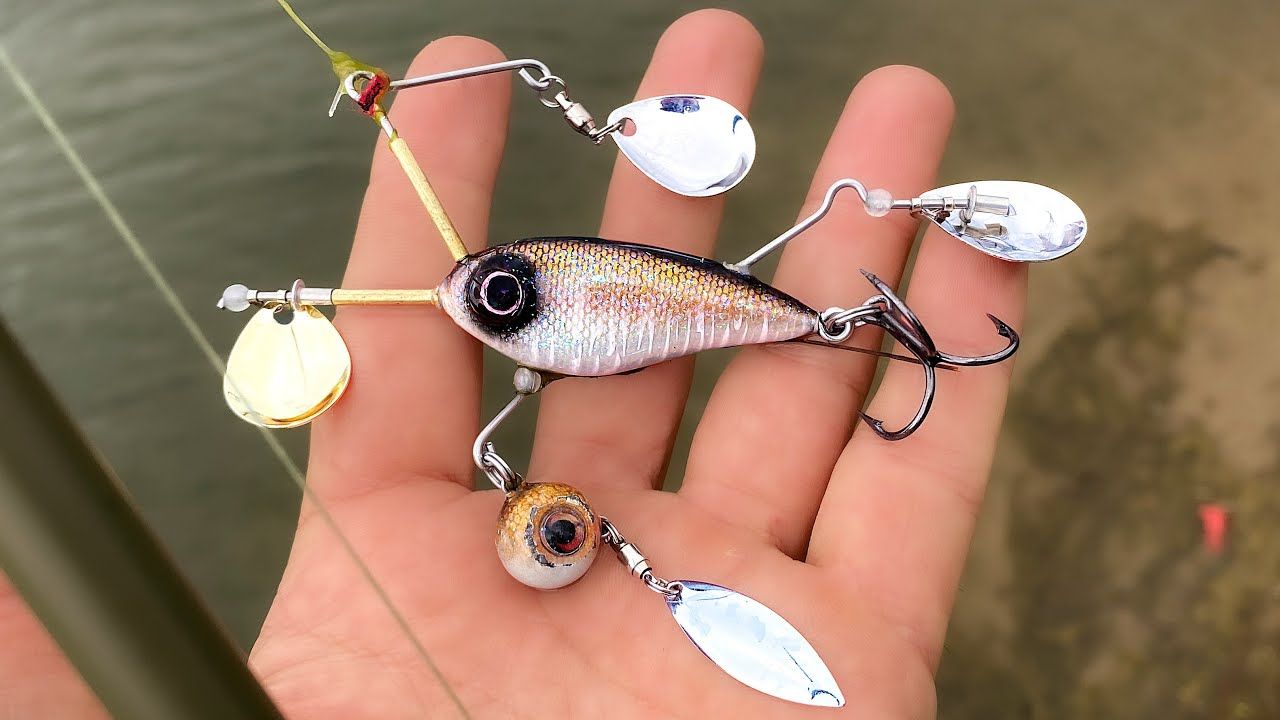
Strike King Spinnerbait
Spinnerbaits struggle in salt because nearly every component is exposed. Wire frames corrode, swivels seize, and blades lose shine fast.
Bass spinnerbaits aren’t built with sealed swivels or salt-resistant coatings. Once corrosion starts, vibration and flash degrade quickly. After a few outings, the lure loses what made it effective in the first place. Saltwater versions exist for a reason. Freshwater spinnerbaits simply aren’t designed for that abuse.
Rapala Original Floater

Balsa and saltwater are a bad mix. The Original Floater absorbs water easily, and once salt penetrates the body, drying and cracking follow.
Hooks and hardware corrode quickly, and buoyancy changes as the bait takes on moisture. The delicate finish chips fast around rocks and shell. While it can catch fish briefly in brackish water, long-term exposure to salt shortens its lifespan dramatically.
Arbogast Jitterbug
The Jitterbug’s signature metal lip is its downfall in saltwater. Corrosion starts almost immediately unless it’s thoroughly rinsed and dried.
Paint chips quickly, hooks rust, and the lip itself can pit and discolor. The lure still makes noise, but hardware failure becomes a real risk. In freshwater, it lasts for years. In salt, it ages in weeks.
Chatterbait
Chatterbaits rely on vibration created by a metal blade and wire connections, both of which suffer badly in saltwater.
Blades corrode, attachment points weaken, and skirts degrade faster than expected. Once corrosion affects the blade’s movement, the lure loses its defining action. Saltwater versions use upgraded materials for a reason. Freshwater chatterbaits weren’t built with corrosion resistance in mind.
Rebel Pop-R

The Pop-R’s cupped mouth and internal cavities trap saltwater easily. If not flushed thoroughly, corrosion sets in fast.
Hooks rust, finishes blister, and internal weights can seize. The lure might still pop, but reliability drops quickly. What feels indestructible in freshwater becomes surprisingly fragile when exposed to salt and sand.
Inline spinner
Inline spinners suffer some of the worst damage in salt. Thin wire shafts, small swivels, and lightweight blades corrode rapidly.
Once the swivel seizes, the lure stops spinning. Rust weakens the shaft, and the entire lure becomes unreliable. These lures are built for trout streams, not tidal flats. Saltwater turns them into single-use tools very quickly.
Freshwater lures getting destroyed in salt isn’t a knock on their effectiveness. It’s a reminder that environments matter. Saltwater demands tougher materials, sealed components, and corrosion-resistant hardware. If you cross that line without preparation, even your most trusted lures won’t last long enough to earn that trust again.

Leo’s been tracking game and tuning gear since he could stand upright. He’s sharp, driven, and knows how to keep things running when conditions turn.