Why recoil and grip design matter in small carry pistols
Small carry pistols promise discretion, but they also magnify every mistake a shooter makes. When the grip is short and the slide is light, recoil feels sharper, sights move more, and follow-up shots slow down. If I care about actually hitting what I am aiming at under stress, recoil behavior and grip design are not minor comfort features, they are the core of whether a tiny handgun is a practical defensive tool or a pocket-sized liability.
That is why I look at compact and subcompact pistols less as shrunken versions of duty guns and more as a separate category with its own physics and ergonomics. The way the frame fills (or fails to fill) the hand, how many fingers make it onto the front strap, and how the gun transmits recoil into the wrist all decide whether a shooter can control the blast of a short barrel. Understanding those tradeoffs before buying, and then training with a grip that matches the design, is what separates a controllable everyday carry from a gun that only looks good in a catalog photo.
Why tiny guns feel so wild in the hand
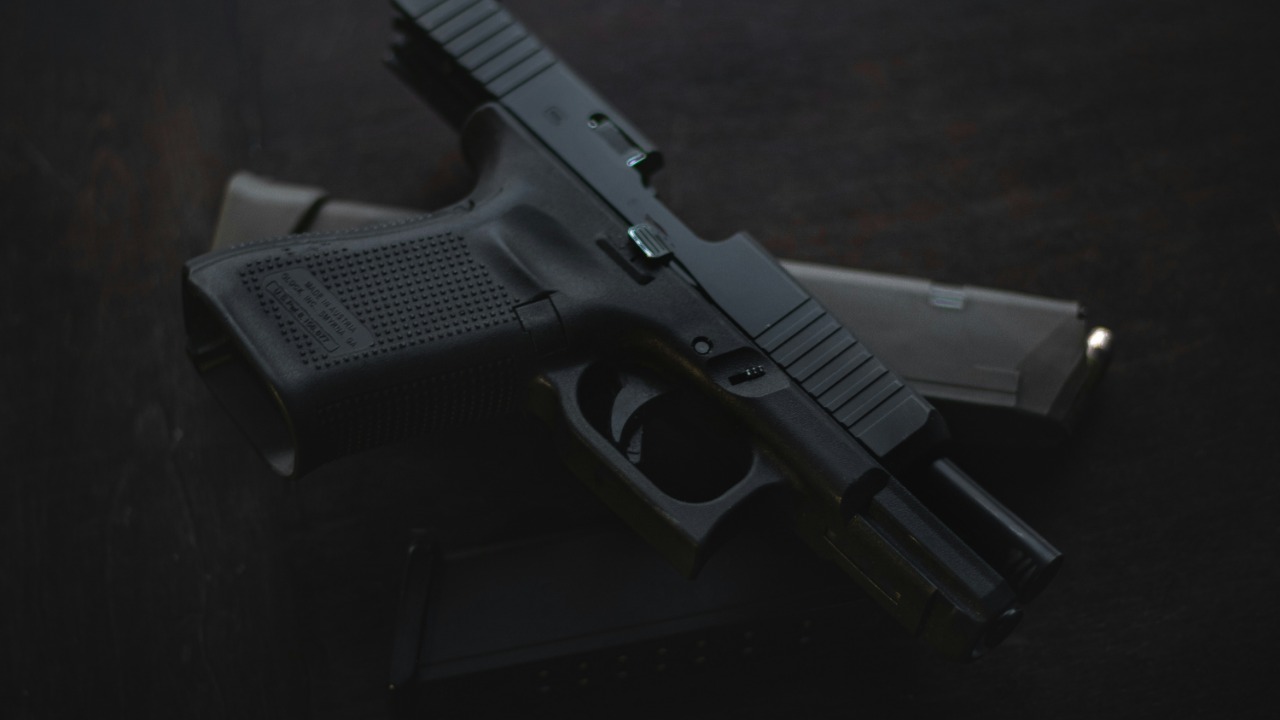
The first shock for many new carriers is that the smallest pistols often feel the most violent. A subcompact with a short slide and light frame has less mass to soak up the rearward impulse, so the same cartridge produces more abrupt movement and more visible muzzle flip. Detailed breakdowns of Recoil Effects explain that what the shooter experiences is not just rearward push but also Muzzle Rise, the arc the barrel travels before it settles back on target. The more the muzzle climbs with each shot, the more time and effort it takes to realign the sights, which is exactly what happens when a powerful cartridge is fired from a very small platform.
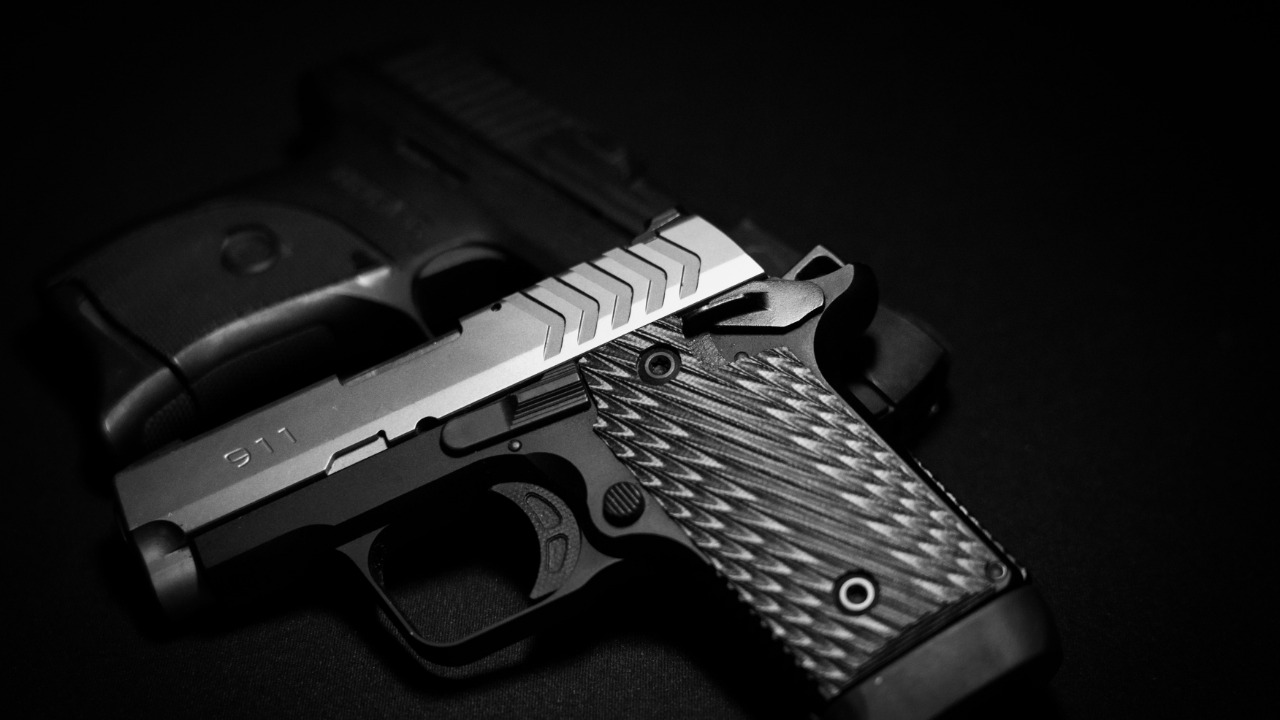
Size metrics put some numbers to that challenge. Guides to Sub Compact Pistol Dimensions describe barrel lengths between 3 to 3.5 inches and a reduced overall height, which usually means the grip is shortened as well. That shorter grip removes leverage just where the shooter needs it most, at the bottom of the hand, so the gun can pivot more freely under recoil. When I combine that geometry with the snappier impulse of a short barrel, it is no surprise that many people shoot a compact or full-size pistol more accurately than the micro-9 they actually carry.
Grip design: where ergonomics meet physics
Grip shape and texture decide how that recoil energy is transmitted into the shooter’s hands. A frame that allows a high, consistent purchase lets the bore sit closer to the forearm, which reduces leverage for Muzzle Rise and makes the gun track flatter. Technical guides on Why Does a Good Grip Matter emphasize that grip technique has the most impact on controlling recoil, and that technique is only possible if the frame gives the shooter enough real estate to work with. If the backstrap is too short or the front strap too narrow, the hand cannot apply even pressure, so the gun twists and bucks unpredictably.
Modern accessory makers treat the pistol grip as a primary control surface, not an afterthought. Discussions of Pistol Grips and frame them as tools for Enhancing Control and, especially Introduction sections that stress how, In the context of dynamic shooting, a secure interface between hand and frame is what keeps the muzzle from wandering. On a small carry pistol, that means paying attention to front strap contour, beavertail height, and whether interchangeable backstraps or grip sleeves can tailor the fit to the shooter’s hand size.
The pinky problem and why every finger counts
One of the most overlooked design compromises in small carry pistols is what happens to the pinky. Many subcompact magazines and frames are so short that the little finger dangles in space, which robs the shooter of a surprising amount of control. Shooters discussing the tradeoff between full-size and concealed carry guns point out that grips are often that you cannot get your pinky around them, and that the pinky, despite being the smallest and usually weakest finger, contributes significantly to stabilizing the gun when it does come into play. When that finger has nothing to hold, the muzzle has more freedom to flip and yaw.
Experienced instructors often tell shooters to consciously engage the bottom fingers to tame small pistols. Practical advice on making pocket-sized handguns more manageable stresses that with tiny guns, the dominant hand should get as much contact with the frame as possible and that the shooter should Grip with the pinkies as much as possible. That focus on the lowest part of the grip is not a gimmick, it is a way to replace the missing leverage that a longer frame would normally provide. Magazine extensions that add a small ledge for the pinky can transform how a micro pistol behaves under recoil, even if they add only a fraction of an inch to the overall height.
Technique: building a grip that matches the gun
Even the best-designed grip will not save a shooter who holds the gun poorly, which is why I treat technique as the other half of the recoil equation. Instructional breakdowns on Pistols explain that, However proper technique is essential for both self-defense and sport shooting, including how the hands align with the frame, how the sights are tracked, and how the trigger is pressed. On a small carry pistol, that means driving the web of the strong hand as high as possible under the beavertail and then wrapping the support hand so it fills every bit of exposed frame, creating a single, unified clamp.
Advanced coaching on recoil control breaks that process down even further. One detailed guide lists several Key steps and urges shooters to Set up the strong hand for success by gripping high on the back strap and then stacking the support hand as high as possible as well. That same approach is echoed in guidance that Mastering proper gun grip is essential for accurate and safe shooting, whether the goal is self-defense or competition. On a compact pistol, where every millimeter of frame height matters, that high, aggressive hand placement is what keeps the bore in line with the forearm and reduces the leverage that causes the muzzle to snap upward.
Grip pressure, recoil control, and real accuracy
How hard the shooter squeezes the gun is just as important as where the hands are placed. Analyses of Why Grip Pressure in Recoil Control start from the premise that Recoil is an unavoidable force created when a firearm is discharged, and that the energy from the shot must go somewhere. If the shooter grips too loosely, the gun moves excessively and the sights jump off target. If the shooter crushes the frame unevenly, the muzzle can dip or twist as the trigger is pressed. The goal is a firm, consistent clamp from both hands that resists movement without adding tremor.
That balance directly affects where rounds land. Training pieces on practical recoil management note that the benefits of good technique are not limited to speed, a solid grip also increases accuracy by keeping the sights aligned through the firing cycle and by making the gun track more predictably between shots, even on a pistol some shooters might think does not offer control. Separate analysis on how grip affects performance warns shooters, Don’t Let How You a Gun Impact Your, and reminds readers that, When shooters chase better groups, they often obsess over sights and triggers while ignoring the way their hands interact with the frame. On a small carry pistol, where recoil is sharper and margins are thinner, that oversight is even more costly.
Training the brain as much as the hands
Recoil management with small pistols is not just a mechanical problem, it is also psychological. Many shooters subconsciously flinch or push the gun in anticipation of the blast, especially when the muzzle is close to the face and the report is sharp. Guidance on how to handle subcompact pistols stresses the need to Train Your Eyes, noting that Recoil does not just move the gun, it also plays tricks on the brain. Many shooters start reacting to the expected bang instead of what the sights are actually doing, which leads to low, jerking shots that they mistakenly blame on the gun.
Structured practice can break that cycle. Dry-fire routines that focus on a stable sight picture through the trigger press, followed by live-fire strings that emphasize calling each shot, teach the shooter that the gun will move but that the movement can be predicted and managed. Articles on Jan practical skills highlight that good recoil management improves both speed and precision, because the shooter spends less time hunting for the front sight after each shot. When I apply that mindset to a small carry pistol, I stop treating the blast as something to fear and start treating it as a repeatable part of the shooting cycle that my grip and stance are designed to absorb.
Choosing and tuning a small pistol for real-world control
All of this theory matters most when it informs what I actually carry. If my hands are large, a micro pistol with a two-finger grip may be a poor match unless I am willing to add extended magazines or grip sleeves that lengthen the frame. Technical guides on Good Grip Matter explicitly suggest that shooters whose hands are too big or whose grips are too short should look into extended magazines, which can restore that crucial pinky contact without dramatically compromising concealment. Texture upgrades, from more aggressive factory options to aftermarket panels, can also help lock the gun into the hand so less grip pressure is needed to keep it from shifting.
Ultimately, the decision to carry a small pistol should be grounded in how it behaves on the range, not just how it disappears under a T-shirt. Instructional pieces that start from the premise that technique matters as much as hardware, and that Mar grip choices should support that technique, point toward a simple test: can I fire controlled pairs or short strings at realistic defensive distances, keeping all hits where they need to be, without the gun feeling like it is trying to escape my hands. If the answer is no, then recoil and grip design have failed their most important job, and it may be time to move up a size, tune the ergonomics, or both.

Leo’s been tracking game and tuning gear since he could stand upright. He’s sharp, driven, and knows how to keep things running when conditions turn.