9 Handguns that look good but disappoint under stress
Some handguns look fantastic in the display case, but the real story shows up when the timer beeps and the gun gets hot. Under stress, flaws that barely show up in casual range use can turn into stoppages, broken parts, or painful ergonomics. Here are nine pistols that win style points but have documented problems when the pressure climbs.
1. Beretta 92FS
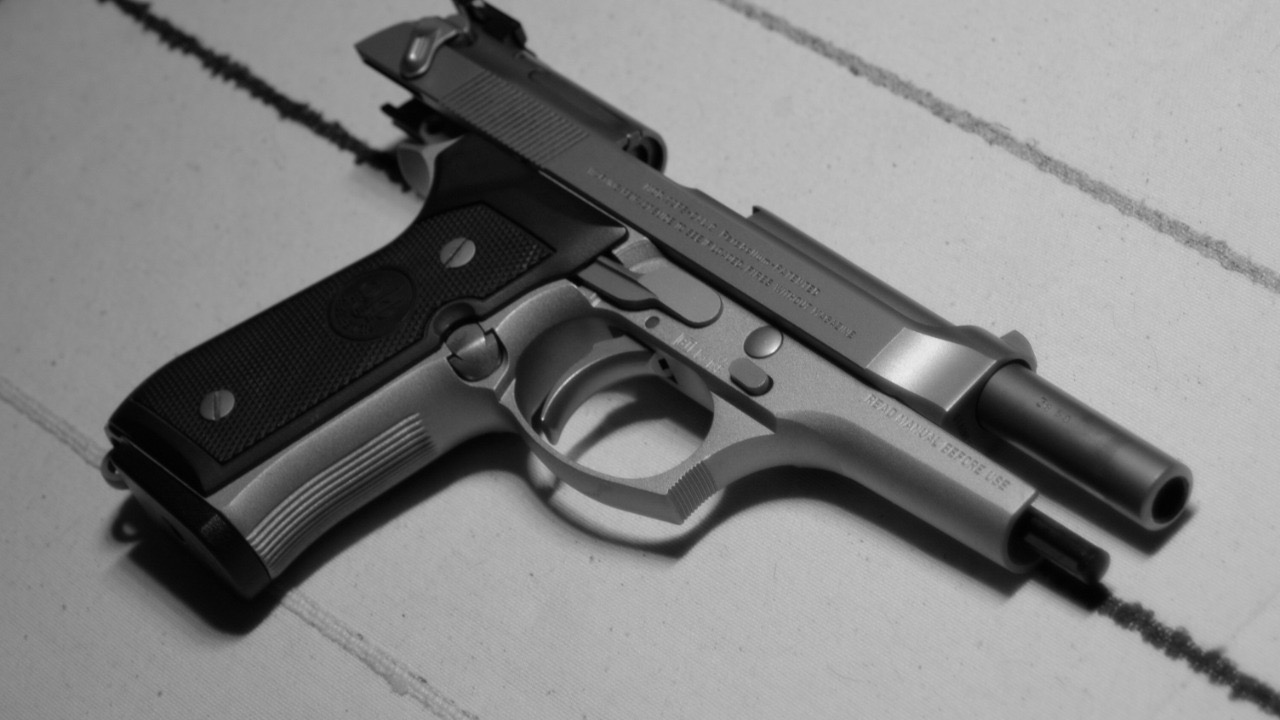
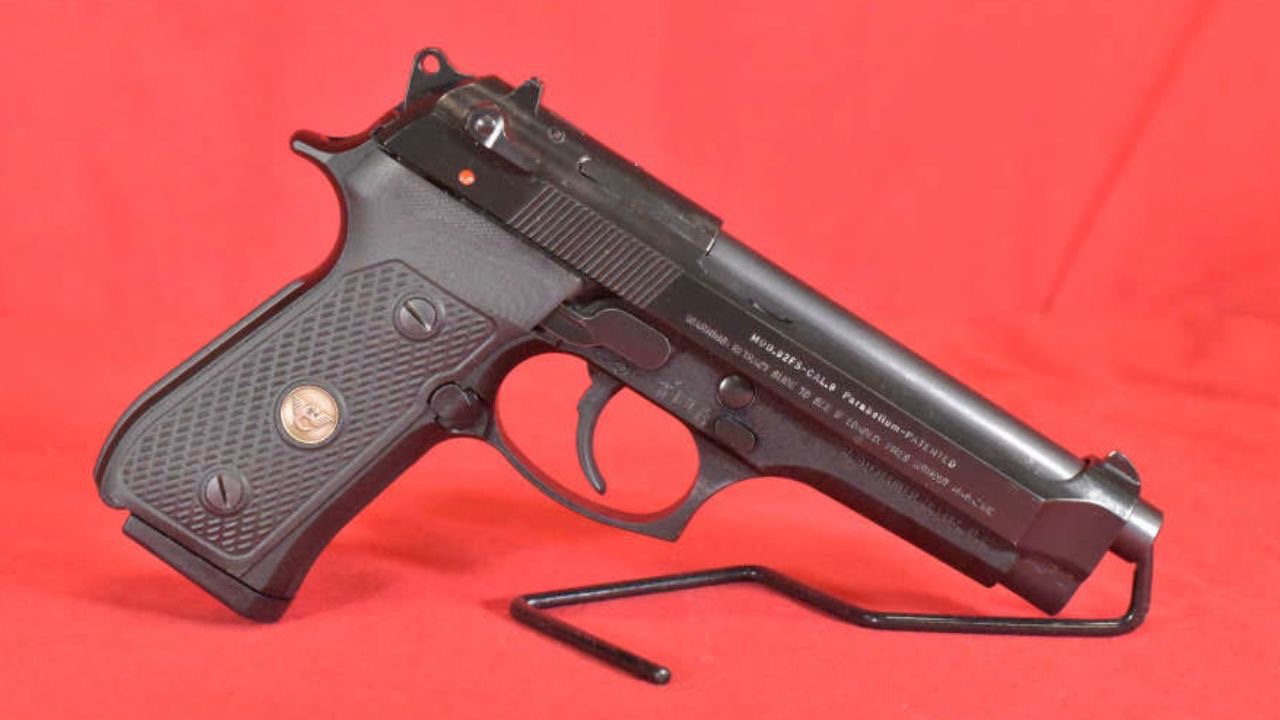
The Beretta 92FS is a Hollywood favorite, showing up in films like “Die Hard” and earning a reputation for sleek lines and comfortable ergonomics. Yet military stress testing documented slide cracking and locking block failures, with some guns reportedly failing after about 5,000 rounds of high-pressure ammunition, a serious concern for anyone planning heavy training schedules.
Later endurance reports describe pistols running to 37,000 rounds, so the design clearly can go the distance when everything lines up. Under hard use, though, shooters have to watch for locking block wear and stay on top of parts replacement, or that handsome full-size gun can turn into a liability at the worst time.
2. Walther PPK
The Walther PPK looks like pure class, with compact proportions and that classic Bond profile that sells a lot of holsters. In rapid-fire drills with .380 ACP, however, testers recorded frequent feeding problems, with the pistol reportedly jamming in roughly 20% of strings when pushed hard with defensive loads.
Those stoppages tend to show up when the gun heats up and the shooter is running quick double-action to single-action transitions. For concealed carriers who picked the PPK on looks and nostalgia, that kind of malfunction rate under stress is a serious wake-up call, especially when modern micro-compacts run cleaner with the same ammunition.
3. Kimber Ultra Carry II
The Kimber Ultra Carry II sells the custom 1911 vibe in a short, lightweight package, with polished flats and checkering that look right at home in a leather IWB rig. In extended testing with defensive ammunition, though, reviewers documented failures to extract after about 200 rounds, especially once recoil and fouling started stacking up.
Short-slide 1911s are notoriously timing-sensitive, and the Ultra Carry II is no exception. Under stress, a failure to extract can tie the gun up hard, forcing a tap-rack-clear sequence that eats precious seconds. For a pistol marketed as a premium carry option, that kind of behavior under recoil is tough to ignore.
4. Sig Sauer P238
The Sig Sauer P238 looks like a shrunken, high-end 1911, with nitron-finished slide options and fancy grip panels that make it feel more like a custom pocket piece than a backup gun. In humid, 500-round stress evaluations, however, it showed a mix of hammer bite and double-feed stoppages in about 10% of firing cycles.
Hammer bite is more than an annoyance when you are shooting fast; it changes your grip and can make you flinch. Combine that with double-feeds that demand a full strip-and-rack clearance, and the P238’s refined looks start to matter a lot less once sweat, humidity, and real defensive strings enter the picture.
5. Ruger LCP II
The Ruger LCP II is tiny, flat, and easy to hide in a pocket or ankle rig, which explains its popularity as a deep-concealment .380. Under low-grip simulations meant to mimic stress shooting, though, testers saw the pistol choke with limp-wristing sensitivity and stovepipe failures, with malfunction rates around 15% using .380 hollow points.
That kind of performance gap shows up most for newer shooters or anyone firing one-handed from awkward positions. When a gun is marketed as a last-ditch option, it has to tolerate imperfect technique. The LCP II’s minimalist footprint looks great in a pocket, but its finicky behavior under marginal grip conditions is a real concern.
6. Taurus PT92
The Taurus PT92 copies the Beretta silhouette with an all-metal frame and open-top slide that look far more expensive than the price tag. In comparative testing, however, extended firing to about 1,000 rounds exposed safety lever breakage and noticeable accuracy degradation, problems that do not show up in a quick rental-session mag dump.
When a safety lever fails, the issue is not cosmetic, it is a core control feature disappearing under recoil. Add groups that open up as parts wear, and the PT92’s budget appeal starts to fade for anyone who trains regularly or expects duty-level durability from a full-size 9mm.
7. Springfield Armory EMP
The Springfield Armory Enhanced Micro Pistol, or EMP, shrinks the 1911 format into a compact package with excellent ergonomics and clean lines. In one set of high-velocity stress runs, the pistol showed extraction failures and even frame flex during a 300-round push, raising questions about how hard it can be driven.
At the same time, other testing found that Enhanced Micro Pistol had no particular ammunition preference in terms of reliability, and The EMP has been praised as a strong CCW option by voices like Steve. That split picture means buyers should vet individual guns carefully before trusting the EMP as a primary carry piece.
8. Kel-Tec PF9
The Kel-Tec PF9 is one of the thinnest 9mm pistols around, with a flat profile that disappears under a T-shirt and a price that tempts new carriers. Under rapid-fire stress, though, reliability reports documented frequent light primer strikes and even magazines dropping free, with an overall malfunction rate approaching 25% in some strings.
Light strikes and mag drops are exactly the kind of failures that stop a fight cold, especially when the shooter is already dealing with recoil from such a lightweight frame. The PF9’s sleek dimensions look great on paper, but those issues under pressure make it hard to recommend as anything more than a range curiosity.
9. Hi-Point C9
The Hi-Point C9 has a blocky, industrial look that some budget buyers actually like, and its weight helps soak up recoil. Under hotter +P loads and extended firing, though, forensic-style evaluations reported blown primers and barrel-to-slide gaps that opened up enough to hurt accuracy after about 500 rounds.
For casual plinking with standard-pressure ammo, that may never show up. Once you start feeding the C9 a steady diet of defensive +P and running longer sessions, those structural quirks become hard to ignore, especially if you are counting on precise hits when your heart rate spikes.

Asher was raised in the woods and on the water, and it shows. He’s logged more hours behind a rifle and under a heavy pack than most men twice his age.