Discontinued firearms that quietly became collector favorites
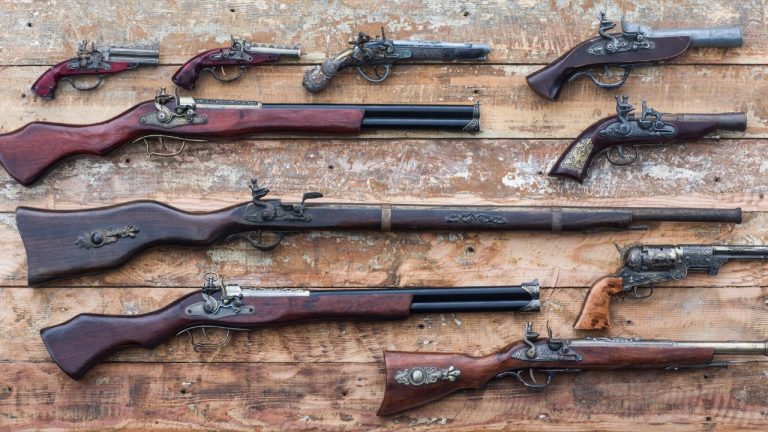
Firearms that vanish from catalogs often gain a second life in safes and auction houses, where scarcity and nostalgia quietly push prices higher. Models that once struggled on the sales floor can, over time, become the pieces collectors talk about most, precisely because they are no longer made. I set out to trace how a handful of discontinued designs, from lever guns to exotic pistols, slipped out of production yet rose into that coveted tier of “if only I had bought one when I could.”
Why discontinued guns hit different for collectors
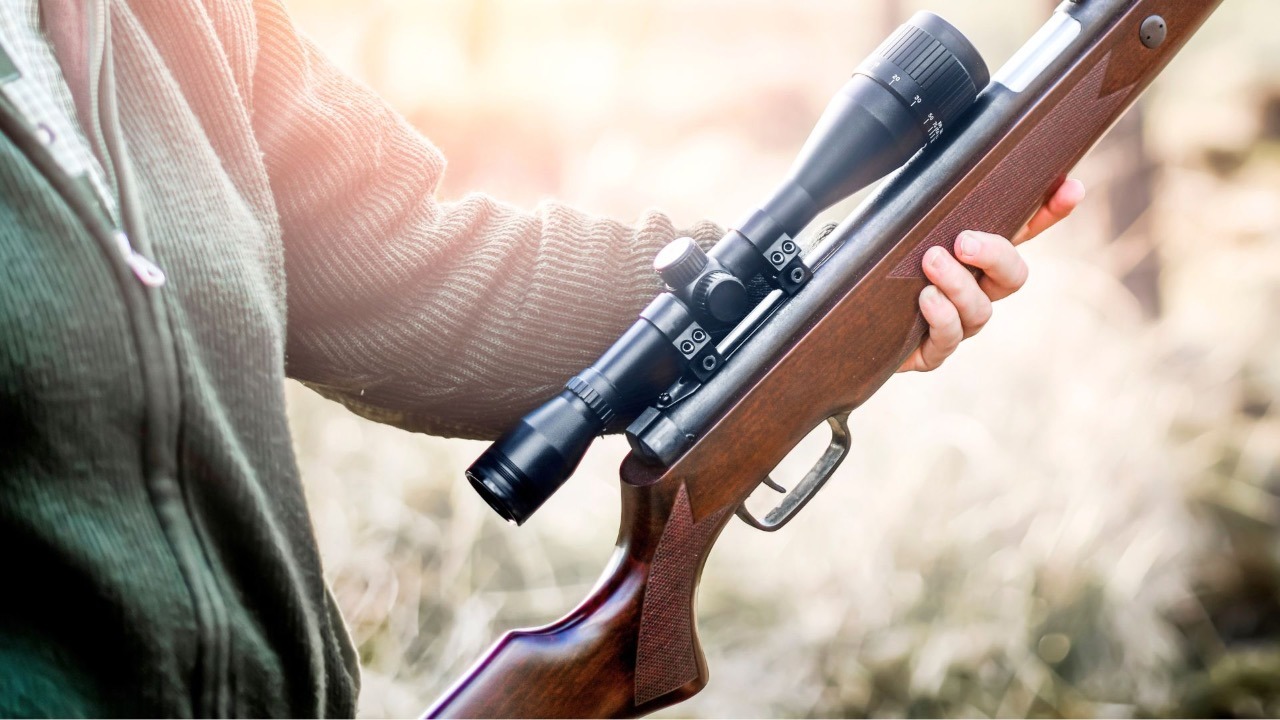
Once a manufacturer stops building a model, the market’s psychology changes overnight. While a current production rifle or pistol can be postponed for “next season,” a discontinued line turns every missed purchase into a permanent regret, which is why seasoned buyers say that Discontinued guns feel fundamentally different. When a model is gone, the only path to ownership runs through the secondary market, where condition, originality, and provenance start to matter as much as the underlying design.
That scarcity premium is not just emotional, it is financial. Auction specialists who track long term pricing note that certain out of production models hold or even exceed their original retail value, while more common guns depreciate like used cars. Guidance aimed at investors stresses that understanding which models retain value “the best” can turn a hobby into a disciplined strategy, with discontinued examples often outperforming current production because supply is capped from the moment the last one leaves the factory, a pattern highlighted in detailed advice on which guns tend to preserve their price.
From workhorse to cult classic: the lever gun effect
Few categories illustrate the quiet rise of discontinued favorites better than lever action rifles. For decades, Savage’s classic lever design was represented by the Model 99, a rifle that blended traditional handling with forward looking features and became a staple in North American hunting camps. Collectors now talk about the Model 99 as a textbook example of an overlooked collectible, a rifle that quietly left production yet later earned respect for its engineering and field record.
The lever action’s resurgence is visible in the way modern designs are being measured against those discontinued classics. When Savage introduced the Revel, observers immediately framed it as the company’s first lever rifle since the venerable 99, a comparison that underlined how long the earlier model had been absent and how strong its reputation remained. Coverage of the Revel emphasized that lineage, and industry recognition that followed, including a lever gun of the year award that described how As Savage Arms continues to push design boundaries, only reinforced the idea that discontinued predecessors like the 99 now serve as benchmarks rather than obsolete relics.
Polymer experiments that collectors now chase
Not every future collectible wears blued steel and walnut. Some of the most interesting discontinued rifles of the last decade were polymer rich experiments that tried to redefine the modern sporting rifle and then quietly exited the market. The Beretta ARX 100 is a prime example, a modular 5.56 platform that was nearly 100% ambidextrous and shipped with a feature set that looked ahead of its time when it appeared on American shelves. When the ARX 100 disappeared from catalogs, it joined the growing list of Discontinued Guns You no longer easily Find in American Markets Now, and that absence has slowly turned it into a talking point among enthusiasts who appreciate its engineering quirks.
What makes a polymer rifle like the Beretta ARX 100 ripen into a collector’s piece is not just scarcity but the sense that it captured a specific moment in design thinking. The ARX 100’s emphasis on modularity, its 100% ambidextrous controls, and its departure from traditional aesthetics all mark it as a snapshot of how one major manufacturer saw the future of infantry style rifles. As newer platforms arrive, that snapshot becomes more distinct, and I see more collectors seeking out clean examples of the Beretta ARX specifically because it represents a path not fully taken, a discontinued branch in the family tree of modern rifles rather than a dead end.
Classic revolvers and the price of pop culture
Revolvers occupy a special place in the collector psyche, and discontinued wheel guns that intersect with pop culture tend to climb fastest. The Smith & Wesson Model 29 is the archetype, a big frame revolver chambered in the Classic . 44 M cartridge that was propelled into the spotlight by film and television. Even as modern production variants exist, early examples and specific discontinued runs of the Smith & Wesson Model 29 have become fixtures in lists of guns that command surprisingly high prices, with commentary noting how the Classic branding and Magnum performance, captured in the phrase 44 M and the name Magnum, keep demand strong among both shooters and movie buffs.
Beyond the headline grabbing models, there is a quieter tier of rare revolvers that rarely surface but draw intense interest when they do. Specialist guides to the top 5 rarest designs emphasize that They are a testament to the ingenuity and innovation of firearm designers, and that each surviving example is a treasure worth holding on to. In my experience, once a revolver crosses that line from “used gun” to “scarce artifact,” the fact that it is no longer produced becomes a selling point in itself, a guarantee that the pool of available examples will only shrink as time and use take their toll.
Obscure pistols that became legends after the fact
Some discontinued firearms were commercial disappointments that later earned cult status precisely because so few were made. The Auto Mag Pistol sits near the top of that list, a stainless steel semi automatic that chased magnum power in an autoloading format and ran into brutal production realities. Historical accounts note that the pistol was then produced by the remaining staff and put into production, but that the complex and expensive manufacturing processes made it difficult to build at a profit, a chain of events summed up in the stark phrase Unfortunately the resulting costs led to bankruptcy for the original company.
That commercial failure is exactly what now fuels collector interest. With production runs limited and factory support long gone, each surviving Auto Mag Pistol is both a technical curiosity and a piece of cautionary business history. I see the same pattern in other niche designs that never found a mass audience but pushed boundaries in materials, calibers, or operating systems. Once they are discontinued, their flaws are forgiven and their ambition is celebrated, and the market begins to treat them less as failed products and more as rare experiments that deserve preservation.
Shotguns that aged into status symbols
Shotguns often live long working lives, which makes it even more striking when a discontinued model transitions into a status symbol. The Browning Auto-5 is a case in point, a recoil operated design that served generations of hunters and clay shooters and then gradually ceded ground to newer gas operated guns. Detailed technical histories point out that, Despite its Browning Auto age, the platform remains a sought after firearm among collectors and enthusiasts, with one manual noting that Despite the years, Its performance and elegant design continue to impress.
That combination of proven field record and discontinued status has nudged clean Auto-5 examples into the collector lane, especially in sub gauges or special editions. I have watched similar dynamics play out with other out of production shotguns that once filled everyday roles but now attract buyers who value period correct engraving, original buttplates, and matching serial numbered barrels. In each case, the end of production marks the moment when the market stops treating the gun as a tool to be upgraded and starts treating it as a piece of industrial art that will never be made in quite the same way again.
How “must have” lists shape demand for discontinued models
Collector culture is not just shaped by scarcity and nostalgia, it is also steered by the lists and rankings that circulate among enthusiasts. When a model appears on a roster of “must have” firearms, demand can spike even if the gun has been out of production for years. One influential rundown of essential pieces, for example, highlights the Winchester Model 70 in a table that spells out the Winchester Model 70 by name and breaks out columns labeled Firearm, Type, and Notable Features, praising its reliability, accuracy, and customization options. When production of a specific variant of a rifle like that pauses or ends, those accolades linger and help sustain interest in earlier runs.
Even more niche lists can have an outsized impact. A blog aimed at highlighting overlooked collectible firearms singles out models that are not yet on every buyer’s radar, including a reference to Remi as part of a broader discussion of underappreciated brands and models. Once a discontinued gun lands in that kind of spotlight, I often see a lagging but noticeable uptick in forum chatter, gun show pricing, and online auction bids. The pattern reinforces a simple truth: the moment a firearm is discontinued is not the end of its story, but the beginning of a new chapter in which collectors, not manufacturers, decide how valuable it will become.

Leo’s been tracking game and tuning gear since he could stand upright. He’s sharp, driven, and knows how to keep things running when conditions turn.