Five little-known hunting cartridges that win people over fast
Most hunters gravitate to the same handful of cartridges, then quietly stick with them for decades. Yet just off that beaten path are rounds that deliver cleaner trajectories, softer recoil, or smarter versatility, and they tend to convert skeptics quickly once someone actually hunts with them. I want to focus on five specific hunting cartridges that rarely top sales charts but routinely win people over in the field.
Each of these rounds lives in the shadow of better known options like 223, 6.5, and 308, which dominate lists of the Hottest Rifle Cartridges when they are Ranked by Google search volume. Yet when I talk to serious deer and elk hunters, these “second tier” choices keep surfacing as the rifles they actually grab from the safe when it is time to fill a tag.
.243 Winchester: the mild recoiling overachiever
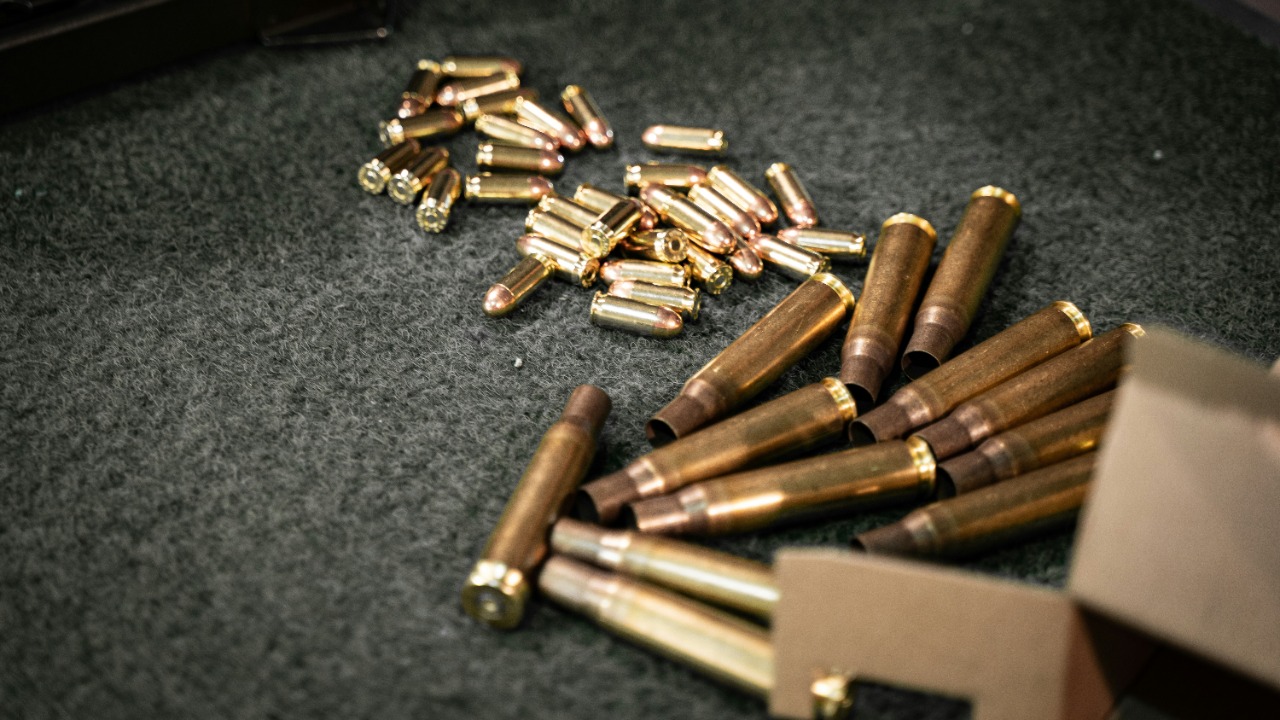
The .243 Winchester is often dismissed as a youth or varmint round, but in practice it is one of the easiest ways to turn a new hunter into a confident shooter. Recoil is light enough that most people can spot their own hits, which builds trust in the rifle and encourages good follow-through. Side by side with bigger rounds, it is striking how often a well-placed .243 shot drops deer-sized game without drama, especially when bullets are chosen with controlled expansion in mind.
Ballistically, the .243 sits in a sweet spot between flat trajectory and manageable kick, which is why detailed comparisons note that there are “plenty of hunting rounds on the market with significantly greater recoil” than the 243 Winchester while offering no real advantage on whitetails. In an era when 6.5 Creedmoor gets most of the marketing oxygen, the .243 quietly keeps doing work from bean fields to Western prairies, and many hunters who give it a fair shake end up wondering why they ever tolerated more punishment for the same result.
6mm deer rounds: Fast, efficient, and far better than their reputation
Beyond the .243, the broader family of 6mm cartridges has long been pigeonholed as “too small” for serious big game, even though real-world performance tells a different story. When you look at how these bullets behave on impact, the combination of high velocity, efficient sectional density, and modern bullet construction produces deep penetration and reliable expansion on deer-sized animals. The key is understanding that shot placement and bullet design matter more than a few extra grains of weight.
Hunters who actually use these rounds on whitetails and mule deer often echo the same theme: they are Fast, efficient and powerful, and they have been popular among deer hunters for more than 50 years, not just as starter guns but as primary tools. That 50 year track record matters, because it reflects thousands of animals taken cleanly with cartridges that still get written off as marginal on paper. Once a skeptical hunter sees how flat a 6mm shoots and how little it kicks, it is common to see that rifle become the default choice for any hunt that does not involve truly large game.
7mm-08 Remington: the quiet all-rounder
If there is a single cartridge that should be more common in North American gun safes, it is the 7mm-08 Remington. Built by necking down the classic .308 case to take 7mm bullets, it combines efficient powder use with high ballistic coefficients, which translates into excellent downrange performance without punishing recoil. In practical terms, it will handle everything from whitetails in tight timber to elk in open basins, provided the shooter does their part.
The 7mm-08 has also proven itself in competition, where accuracy and consistency are ruthlessly exposed. Since its introduction, it has been used to win National Championships in High Power disciplines, and that same inherent precision is exactly what you want when threading a shot through brush or across a canyon. Ammunition makers and competitive shooters alike describe the 7mm-08 Remington as an ideal cartridge for most big game hunting, yet it remains overshadowed by its parent .308 and the newer 7mm PRC. When hunters finally try it, the combination of accuracy, manageable recoil, and terminal performance tends to make them instant converts.
.257 Roberts: the “Best Old School” sleeper
Among older cartridges that refuse to die, the .257 Roberts stands out as a round that quietly delights anyone who gives it a chance. It offers a blend of flat trajectory and modest recoil that feels tailor-made for pronghorn, whitetails, and coyotes, especially in light, handy rifles. In an era dominated by short magnums and long-range branding, the .257 Roberts looks almost quaint on paper, but in the field it behaves like a modern design that just happens to have been around for generations.
When experienced gun writers and hunters are asked which “Best Old” rounds people do not already own, the .257 Roberts consistently appears alongside other classic Firearms chamberings that still punch above their weight. It is often grouped with cartridges that have loyal followings but limited commercial hype, the kind of rounds that inspire 19 Comments from readers who swear by them. That pattern is telling: once someone hunts with a .257 Roberts and sees how decisively it anchors medium game without beating up the shooter, it tends to become a favorite, even if they arrived at it almost by accident through a used rifle rack or a hand-me-down gun.
6.5×55 Swedish: the 65 that came too early
The modern 6.5 craze has centered on Creedmoor-branded rounds, but long before that marketing wave, the 6.5×55 Swedish was quietly doing everything hunters now praise in newer designs. It pushes high sectional density bullets at moderate velocities, which keeps recoil comfortable while still delivering deep penetration and excellent long-range stability. On moose, red deer, and wild boar, it has built a reputation for punching above its paper ballistics, especially with heavy-for-caliber bullets.
In discussions of underrated hunting cartridges, seasoned voices often point out that this 65 millimeter-class round simply arrived in the wrong era, long before social media and precision-rifle competitions could turn it into a fad. One widely shared breakdown of “Top 5 Underrated Hunting Cartridges” notes that it offers premium performance and “just came out at the wrong time,” then adds the hope that the current popularity of 65 cartridges will finally give it some overdue attention, a point made explicitly in a Jul video aimed at modern hunters. When shooters used to 6.5 Creedmoor try the 6.5×55 in a smooth-cycling bolt gun, they often discover that the older round feels at least as capable, and sometimes more forgiving, especially with handloads tuned to classic European rifles.
6.5 Grendel: the AR-15 round that behaves like a hunting rifle
For hunters who prefer the AR-15 platform, the 6.5 Grendel is one of the fastest ways to transform a familiar carbine into a legitimate medium-game tool. By using a shorter round with a larger diameter case head than 223, it holds more powder and launches heavier bullets that carry energy far better at distance. In practice, that means an AR-15 chambered in 6.5 Grendel can deliver clean kills on deer and hogs at ranges where 223 Remington starts to feel marginal, especially with controlled-expansion bullets.
Technical overviews of AR-15 calibers describe this type of cartridge as a shorter round with a larger diameter that is known for shooting straight, fast, and far, which has made it a favorite of long-range marksmen and competition shooters who want more reach from the same platform, as detailed in a Jan technical guide. When hunters used to 223 Remington try a 6.5 Grendel upper and see how it flattens hogs or whitetails while still fitting standard AR-15 lowers, they often end up treating it as a dedicated hunting rifle that just happens to share magazines and ergonomics with their range gun.
Why these rounds stay underrated while lesser options sell out
Given how effective these cartridges are, it is fair to ask why they remain in the shadows while others dominate store shelves. Part of the answer is simple popularity inertia: once a few chamberings become the default choices, manufacturers and retailers keep feeding that cycle. Lists of the most searched rifle rounds show 223 Remington, 6.5 Creedmoor, and 308 Winchester clustered at the top when cartridges are Hottest and Ranked by Google interest, which naturally drives more production and marketing for those same options. That feedback loop leaves less room for cartridges like 7mm-08 Remington or .257 Roberts, even if they might serve some hunters better.
Availability also plays a role, especially during ammunition shortages. When demand spikes, reports from the field note that 308, .30-06, and 6.5mm Creedmoor are often the first to vanish, with hunters scrambling for any Creedmoor boxes they can find as shelves empty out, a pattern documented in coverage of the ongoing Creedmoor-era ammo crunch. Ironically, that same scarcity can push some shooters toward less common cartridges that still have boxes on the rack, and once they discover how well something like 6.5×55 Swedish or 6.5 Grendel performs, they rarely go back. As one detailed discussion on the Welcome Ron Spomer Outdoors Podcast puts it, some ballistically superior cartridges are simply outsold by lesser competition because they lack the marketing push, not because they lack performance.

Leo’s been tracking game and tuning gear since he could stand upright. He’s sharp, driven, and knows how to keep things running when conditions turn.