Hunters Are Talking Less About Power—and More About Control
Across hunting camps and online forums, the loudest bragging used to be about raw power: magnum calibers, long‑range rifles, and big antlers on the wall. Lately, the conversations I hear have shifted toward something quieter and more deliberate, a focus on control over shots, land, game numbers, and even public perception. Hunters are still chasing success, but more of them are talking about how to manage every variable around the hunt instead of simply overpowering it.
That change shows up in the gear they buy, the way they talk about ethics, and the political fights they pick. From suppressors and precision optics to deer management meetings and mentorship programs, the modern hunter is trying to steer outcomes in a world that feels less predictable every season. Power still matters, but control is becoming the real currency.
The Quiet Shift From Power To Precision

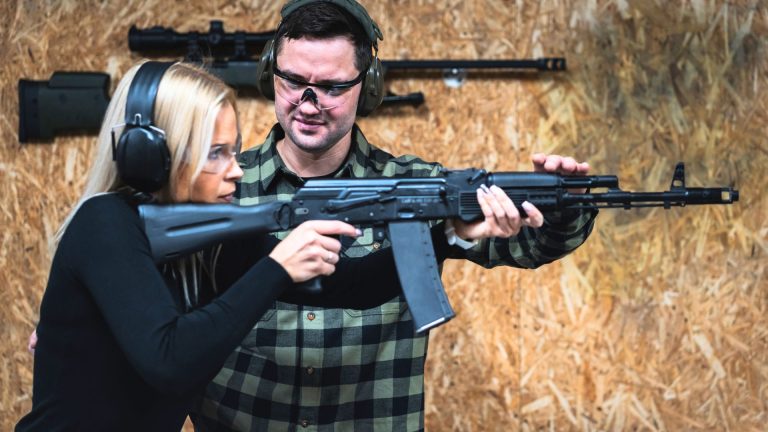
When I started hunting, the guy with the biggest rifle and the loudest muzzle blast usually set the tone in camp. Today, the hunters I meet are more likely to talk about how they can fine tune their setups and decisions to keep things predictable and ethical. That shift shows up in the growing interest in suppressors, where the pitch is not about more punch, but about tighter control over recoil, noise, and how the shot affects everyone around it. Companies that talk about Creating Positive First are tapping into a mindset that cares less about flexing power and more about managing the whole moment, especially for new hunters.
That same mindset shows up in how hunters think about their role in the broader community. In one long discussion, a hunter named Jan called out what he saw as hypocrisy in the way some of us talk about “protecting our heritage” while doing little more than arguing online. He pointed to how lot of individuall powerless, stuck between regulations they do not like and social pressure they do not control. That frustration is pushing more people to look for levers they can actually move, from how they set up a shot to how they show hunting to nonhunters.
Control In The Field: Light, Sound, And Distance
On the ground, control starts with how we handle the basic tools that shape an animal’s behavior. Light is a perfect example. Instead of blasting the woods with the brightest headlamp they can buy, experienced hunters are learning to manage beams and intensity so they can move without spooking game. One detailed guide on how Animals react to light makes the point clearly: animals do not respond only to brightness, they respond to how that light is used. The line “Conclusion, Control the Light, Control the Outcome” captures a growing belief that small adjustments in gear and behavior can decide whether a hunt unravels or comes together.
The same logic applies to how we run our lights in real time. Instead of cranking a flashlight to max, many hunters now follow Practical Brightness Control that emphasize starting low, easing up only when needed, and avoiding constant on‑off flashing that puts animals on edge. That kind of discipline is not about dominating the woods, it is about quietly steering how much information you give away with every step. Add in suppressors that tame blast and recoil, and you see a pattern: hunters are investing in tools that let them shape the encounter instead of overwhelming it.
Managing Deer, Not Just Shooting Deer
Control talk really heats up when the subject turns to deer. In a long thread on chronic wasting disease and regulations, Jan and others argued that hunters and landowners should “take back control” of deer management instead of waiting for distant agencies to fix it. One commenter wrote that, in his view, Most of his neighbors were fine with CWD programs, while “nonlandowners” did most of the complaining. That split shows how control over deer numbers, seasons, and disease responses has become a fault line between people who own ground and those who only hunt it.
In that same discussion, participants pressed for practical ways to get involved, from local meetings to direct conversations with “the powers that be.” The thread, which included references to Minnesota politics and a candidate for governor, underlined how deer management has become a political project as much as a biological one. When someone says “I do not need permission, I am going to do the right thing and do what is best,” in a debate about CWD and regulations, they are really talking about personal control over decisions that used to be left to agencies and biologists. The more complex the disease and habitat questions get, the more hunters want a direct hand on the wheel.
Predators, Balance, And The Food Web
Control is not only about deer tags and antler size. It also shows up in how hunters talk about predators and ecological balance. In one candid post from a hunter who no longer hunts, Jan described what happens when predator and prey numbers get out of whack. He warned that imbalance disrupts the, pushing starving predators toward livestock, pets, and even human settlements. That is not an abstract biology lesson, it is a reminder that when we lose control of population balance, the consequences land in someone’s pasture or backyard.
At the same time, nonhunters are wrestling with the same questions from a different angle. In one long debate about sustainable hunting, a commenter wrote that, Granted, bears and big cats feel “murkier” to some people, but if they are managed properly there are fewer reasonable objections. Another version of that same argument noted that, Methods that keep things sustainable tend to calm most critics who do not participate. Whether you carry a rifle or not, the argument circles back to the same point: someone has to keep predator and prey in check, or nature will do it in ways people like a lot less.
Ethics As Self‑Control, Not Window Dressing
When hunters talk about control, they are also talking about self‑control. Ethics is where that gets real. Wildlife managers in West Virginia remind hunters that, As Aldo Leopold put it, ethical behavior means doing the right thing when no one is watching, even when the law would let you do less. That definition moves the conversation away from what you are allowed to do and toward what you choose to do. It is a call to control your own impulses, whether that means passing on a marginal shot, respecting private land, or walking away from a bait pile that might be legal but feels wrong.
Plenty of hunters are trying to live up to that standard. In one discussion about respect for animals, a commenter wrote that Most of the duck hunters he knew were the biggest conservationists he had ever met. They were the ones packing out trash and worrying about wetlands long after the season closed. That kind of behavior is not about flexing power over ducks, it is about taking responsibility for the places and animals that make hunting possible in the first place.
The Hunter’s Mind: Focus, Patience, And Archetype
Control is not only physical, it is mental. High‑level hunters talk about developing a mindset that can stay steady when the woods go quiet or when a buck hangs up just out of range. One detailed breakdown of The Hunter’s focus and patience argues that a strong Mentality Developing process is as important as shooting straight or being physically fit. That means learning to manage frustration, stay present, and make good decisions when adrenaline spikes, all of which are forms of self‑control that matter more than raw strength.
Psychologists who write about the “hunter archetype” describe something similar. At its core, the archetypal hunter is built on patience, adaptability, and strategy, traits that let a person respond to changing conditions instead of trying to bulldoze through them. One analysis notes that, At its core, this archetype helps people navigate uncertainty and setbacks without being derailed by them. That is not far from what happens in a treestand when the wind shifts or the deer come from the wrong direction. The hunters who keep their composure and adjust are the ones who quietly control the situation instead of letting it control them.
Technology: From Power Boost To Fine‑Tuning Tool
Gear has always been part of hunting, but the way we talk about it is changing. Instead of chasing the biggest numbers on a ballistics chart, more hunters are using technology to manage variables they used to leave to chance. On the research side, biologists now rely on New equipment that lets them mimic natural conditions and manipulate variables in controlled ways, which helps them understand how marine invertebrates respond to stress. Hunters are doing a version of the same thing in the field, using trail cameras, mapping apps, and weather tools to predict animal movement instead of simply hoping to cross paths.
That does not mean instinct is dead. One long running hunting podcast reminds listeners that Technology can help, but Hunting still comes down to woodsmanship, lessons learned, and time spent outside. Suppressors, rangefinders, and GPS units are not about overpowering the animal, they are about trimming the chaos around the shot so you can make a clean, controlled decision. Even in primate research, scientists note that Hunting skill may give an individual leverage, but it does not automatically grant coercive power or formal authority. The same holds in camp: the guy with the fanciest gear still has to prove he can use it with discipline.
Public Image, Politics, And “Not Hiding In The Woods”
Control now extends far beyond the treeline. Hunters are realizing that if they do not shape the story around hunting, someone else will. One widely shared essay argued that also why, as hunters, we cannot hide in the woods. We have to reach out and educate, whether loudly or with soft voices, about what we do and why we care about land and wildlife. That is a call to control the narrative, not by shouting down critics, but by calmly explaining the role hunting plays in conservation and rural life.
Some are taking that message straight into politics. In one conversation, a host announced, “Its up!” and said he sat down with Its guest, Keith Mark, the founder of Keith Mark’s group Hunter Nation to talk about protecting hunting and fishing. That kind of organizing is about more than defending gun rights. It is about trying to control how laws, seasons, and public attitudes evolve in a country where fewer people grow up around hunting every year.
Mentorship And First Impressions
If control is the new obsession, then the most important lever might be how we bring new people into the fold. A national mentoring effort urges experienced outdoorsmen and women to sign The Mentor Pledge, promising to take a less experienced or brand new hunter into the field and teach them how to hunt safely and ethically. That is a direct attempt to control the culture of hunting one person at a time, instead of hoping social media or television will do the job. When a kid’s first hunt is patient, safe, and respectful, it shapes how they see hunting for life.
Gear companies are leaning into that same idea. Suppressor makers talk about how Bad first experiences, like a painful muzzle blast or a flinch‑inducing recoil, can sour someone on hunting for good. By softening the shot and making communication easier in the field, they argue, you can help create a lifelong love of hunting instead of a one‑and‑done disaster. That is not marketing fluff. It is a recognition that the future of hunting depends on how well we control those first few hours in the woods for the next generation.

Asher was raised in the woods and on the water, and it shows. He’s logged more hours behind a rifle and under a heavy pack than most men twice his age.