Fifteen iconic 9mm pistols that shaped modern handgun design
The 9 mm cartridge has powered some of the most influential handguns ever built, from early military sidearms to today’s polymer carry guns. Across more than a century of design, a handful of pistols have set benchmarks for capacity, ergonomics, durability and manufacturing that everyone else has had to match. I want to trace fifteen of those designs that did not just sell well, but genuinely redirected how modern handguns are engineered and used.
These pistols span single action classics, double action “wondernines,” and the polymer striker era that dominates the market today. Together they explain why Nine millimeter pistols are compact enough for concealed carry yet offer the magazine capacity and shootability that keep them at the center of military, police and civilian arsenals worldwide.
The 9 mm origin story: Georg Luger and the P08
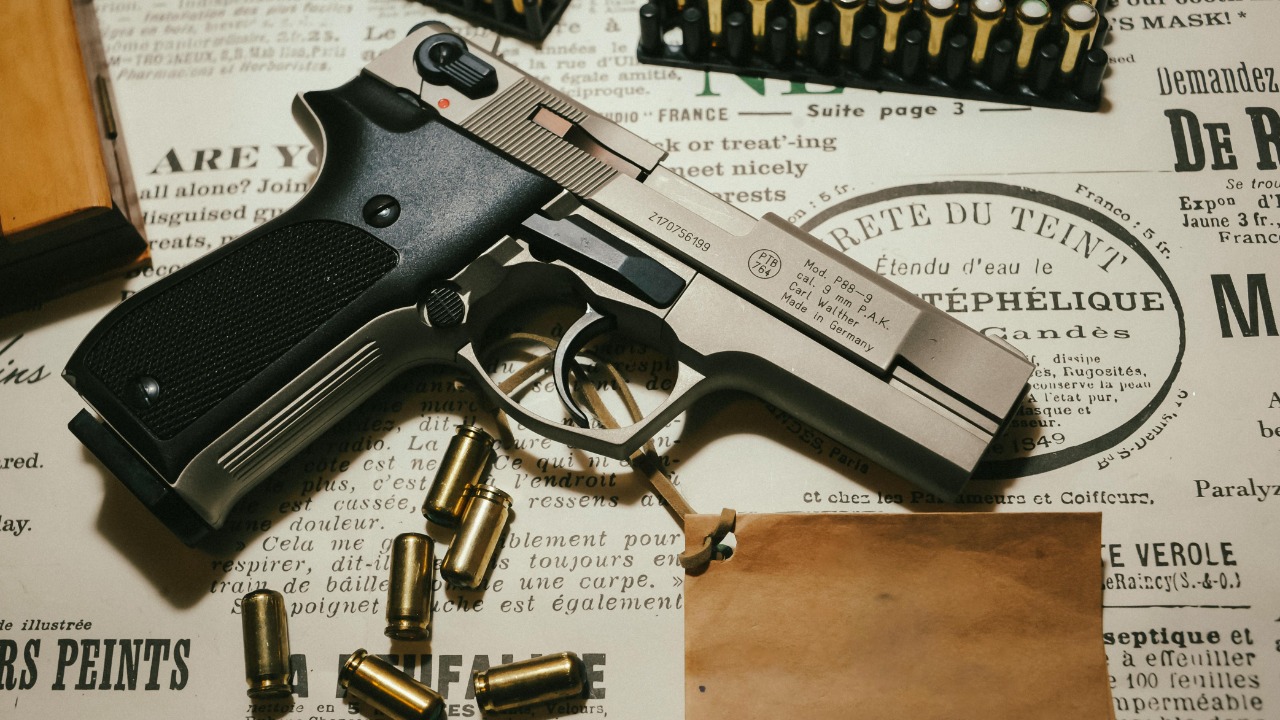
Modern 9 mm handgun design starts with Georg Luger and the cartridge that bears his name. In 1902, Deutsche Waffen and Munitionsfabriken, often shortened to DWM, officially introduced the 9×19 mm round for their Luger semi automatic pistol, creating a compact, high velocity cartridge that would later dominate both sidearms and submachine guns. Originally designed by Georg Luger in the early 20th century, this 9 mm handgun and its cartridge combination revolutionized handgun design and became a template that set the standard for semi automatic pistols in the decades that followed.
The German army Luger, the Pistole 08, gave that cartridge a distinctive mechanical home. Notably, the German army Luger (P08 Luger) featured a locked breech system that handled the new round’s pressure and helped turn 9 mm into one of the most significant cartridge developments in firearm history. Geaorg Luger’s toggle locked pistol was one of the first semi automatic magazine fed handguns to see wide service, and its influence is still visible every time a new 9 mm service pistol is compared back to the original Luger pattern.
From Browning Hi Power to metal wondernines
If the Luger created the cartridge, The Browning Hi Power, sometimes described as the Browning Grand Puissance, created the high capacity fighting pistol. The Browning Hi Power is a single action design that offered a double digit magazine capacity long before that became an industry norm, and it drew on earlier work with pistols like the Walther P38 or Colt M1911 while pushing capacity and ergonomics forward. Later enthusiasts would simply call it the Hi Power, and its combination of slim grip, usable sights and generous magazine made it a benchmark service pistol for militaries and police forces around the world.
The Hi Power’s influence is obvious in the wave of double action “wondernines” that followed. Early double action pistols included the Warsaw Pact CZ 75 and the soon to be legendary Beretta 92, both of which embraced higher capacity and more modern safety systems. The CZ 75, produced by Zbrojovka Uhersk Brod, became one of the most iconic full size 9 mm pistols of the late Cold War, while the Beretta 92 series evolved into the Beretta 92FS and Military M9 that Americans recognize as the official sidearms of the American military. Together, these metal framed pistols showed how a service handgun could carry more rounds, shoot softly and still deliver the durability that combat demanded.
Beretta 92, SIG Sauer P226 and the service pistol era
The Beretta 92 series crystallized the service pistol ideal for a generation. Developed as a high capacity, double action 9 mm, the Beretta 92 was refined into the 92FS and then adopted as the Military M9, giving The Beretta a central place in American sidearm history. These pistols, with their open slide design and alloy frames, became synonymous with duty holsters and helped define what a full size duty 9 mm should feel like in the hand.
Running alongside Beretta was The SIG Sauer P226, another full size double action that quickly earned a reputation as one of the most respected combat handguns ever designed. The SIG Sauer P226 delivered exceptional accuracy, reliability and ergonomics, and it served elite units including the US Navy SEALs for decades. A definitive guide to the platform notes that the P226 was developed in 1984 as a contender to replace aging 1911 pattern pistols, and even where it was not adopted, it set expectations for how a modern service pistol should perform under hard use.
CZ 75 and the rise of ergonomic double actions
Among metal framed 9 mm pistols, the CZ 75 occupies a special place for its blend of ergonomics and shootability. These early double action pistols included the Warsaw Pact CZ 75, which paired a full size frame with a double stack magazine and a slide that rides inside the frame rails. The CZ 75 is widely regarded as one of the finest 9 mm handguns ever created, and its timeless design combines exceptional accuracy, superb ergonomics and outstanding reliability in a package that still feels contemporary.
CZ, formally CZ (Zbrojovka Uherský Brod), treats the CZ 75 as its most iconic model, a full size, all steel 9 mm introduced in the 1970s that is still a benchmark for modern handgun design. The CZ 75’s influence can be seen in competition tuned variants, compact carry versions and a host of clones that copy Its internal slide rails and grip contour. When I look at later double action pistols, from service guns to race tuned models, the CZ 75’s balance and control often feel like the standard everyone else is chasing.
Glock 17, Glock 19 and the polymer revolution
The leap from metal frames to polymer was driven more than any other brand by Glock. Glock is one of the most famous and easily recognized pistol designs in the world, and Glock 17 is its original 9×19 mm model, with five generations of Glock 17 currently in circulation. The Glock 17 is probably the most famous pistol of all time, often described in four words, simple, effective, accurate and dependable, and testing has shown it can run through a total of 10,000 rounds fired without drama. That combination of simplicity and durability helped Glock completely revolutionize the industry and win over armed citizens, competition shooters, collectors and general firearms enthusiasts.
The compact Glock 19 took that formula and shrank it just enough to become a default choice for concealed carry and duty use. Since its release way back in 88, the Glock 19 has been a target of both ridicule and admiration because it was one of the first striker fired pistols to gain mainstream acceptance, yet it has become a standard by which other compact 9 mm handguns are judged. Analysts who ask whether Glock is still the king of semi auto pistols point to how the brand’s attention to detail and continuous refinement have made their pistols even more reliable and user friendly, and how that evolution has helped Glock maintain its position as a market leader in 9 mm design.
From “wondernines” to striker fired dominance
The shift from hammer fired double actions to striker fired pistols did not happen overnight, but it has reshaped the handgun market. The most important change in the technical environment was the introduction of double action and single action pistols, often called “wondernines,” which normalized higher capacity and more complex trigger systems. Over time, those same pressures pushed designers toward simpler striker fired mechanisms that could still offer consistent trigger pulls and robust internal safeties, a trend that Glock helped accelerate and that competitors have since embraced.
Today, polymer striker fired pistols are so common that entire product categories are built around them. One example is the CZ USA P 10 C Optics Ready, listed among Handguns that are New and Updated for 2021 and 2022 in a Polymer Striker Fired lineup with a price of $499.00 and a user rating of 4.60 out of five. These guns show how far the concept has come, with factory optics cuts, modular backstraps and accessory rails now expected features on any serious 9 mm carry or duty pistol.
Compact carry disruptors: SIG P365 and P320
In the concealed carry world, The Sig P365 has arguably been the most disruptive 9 mm of the last decade. The Sig P365 is probably the most popular concealed carry gun currently on the market, and reviewers note that its combination of small size, high capacity and shootability made it an instant sweetheart among concealed carriers. Another analysis goes further, stating that The SIG P365 is easily the most influential firearm built in the last decade, a micro compact 9 mm that found a way to shrink the gun while keeping a full grip and even offering a slide cut for an optic.
Alongside it, The SIG Sauer P320 has reshaped what a modular striker fired pistol can be. Pros and Cons discussions of the platform emphasize that The SIG Sauer P320 is one of the most sought after CCW pistols, standing out as a well balanced design that ultimately surpassed the Beretta APX in a key adoption race. Broader commentary on the future of the modern pistol notes that there is no longer a clear line between military, police and civilian handguns, pointing to modular service pistols like the U.S. M17 and M18, which are based on the P320, as proof that a single 9 mm design can now serve across all three domains.
Micro compacts, ergonomics and the modern user
The success of pistols like the P365 reflects a broader shift toward smaller, more ergonomic 9 mm handguns that still carry like full size guns in terms of capacity. Discover how the SIG Sauer P365 revolutionized concealed carry and it becomes clear that high capacity micro compacts have forced every major manufacturer to rethink what a “small” 9 mm can do. These pistols are designed around modular grip modules, optics ready slides and controllable recoil, features that used to be reserved for larger duty guns.
At the same time, full size 9 mm pistols remain popular because they balance shootability with capacity for a wide range of users. Nine millimeter pistols are compact enough for concealed carry but have higher magazine capacities than similar sized handguns in larger calibers, and examples like a 4.49 inch barrel with a 17 round capacity show how a duty sized 9 mm can still fit large hands comfortably. When I look at the current market, the throughline from early high capacity designs like the Hi Power to today’s micro compacts is the same, more rounds, better ergonomics and a focus on how the gun actually feels and performs for the person behind the trigger.
Competition, metal frames and the Staccato trend
While polymer dominates duty holsters, metal framed 9 mm pistols have found a new home in competition and high end defensive roles. Staccato has seen huge success in offering factory pistols that tread the line in price and quality between high end fully custom guns and mass produced duty pistols, and one of its flagship models is specifically meant for competition. These double stack, 1911 inspired 9 mm pistols deliver soft recoil, crisp triggers and optics ready slides, and they show how the quest for performance keeps pulling designers back to steel and aluminum even in a polymer heavy era.
That competition focus feeds back into mainstream design. As more shooters experience race ready 9 mm pistols with tuned triggers and slide mounted optics, expectations for everyday carry and duty guns rise as well. I see the same pattern that once elevated pistols like the Colt Single Action Army and other classics into the pantheon of the 25 Greatest Handguns of All Time, where innovations proven on the range eventually filter into the broader market and redefine what a “standard” handgun looks like.
Why 9 mm still dominates war and peace
The 9 mm cartridge’s staying power is not accidental. In 1902 it was officially introduced by Deutsche Waffen and Munitionsfabriken for their Luger pistol, and its balance of recoil, capacity and terminal performance has only become more compelling with modern bullet design and its adoption in submachine guns. Historical overviews of the 9 mm pistol point out that for roughly 120 years, this cartridge has dominated both war and peace, powering everything from early double action service pistols to today’s polymer framed carry guns.
That dominance is reinforced every time new handguns are evaluated. Lists of the greatest handguns ever built routinely include 9 mm designs alongside classics like the Colt 1851 Navy Revolver and the Colt Single Action Army, treating them as peers in terms of influence and cultural impact. When I look across the fifteen pistols highlighted here, from the original Luger to the latest striker fired compacts, the common thread is clear, each one pushed the 9 mm platform forward in a way that others had to follow, and together they explain why this cartridge and these designs remain the reference point for modern handgun engineering.

Leo’s been tracking game and tuning gear since he could stand upright. He’s sharp, driven, and knows how to keep things running when conditions turn.