
Another winter storm system targets multiple states with heavy snowfall
A sprawling late-season winter storm is once again lining up over the United States, threatening to bury communities from the northern Rockies to the Great Lakes and Northeast in heavy snow and dangerous winds. Forecasters warn that this system will build on a bruising stretch of March weather that has already produced feet of snow, blizzard conditions and disruptive ice across multiple regions.
From mountain passes in the West to lake-effect belts near the Great Lakes and dense urban corridors in the Northeast, the new storm is expected to test infrastructure, strain emergency services and wear down residents’ patience after a series of powerful systems earlier this year.
Storm track stretches from Alaska to the Northeast
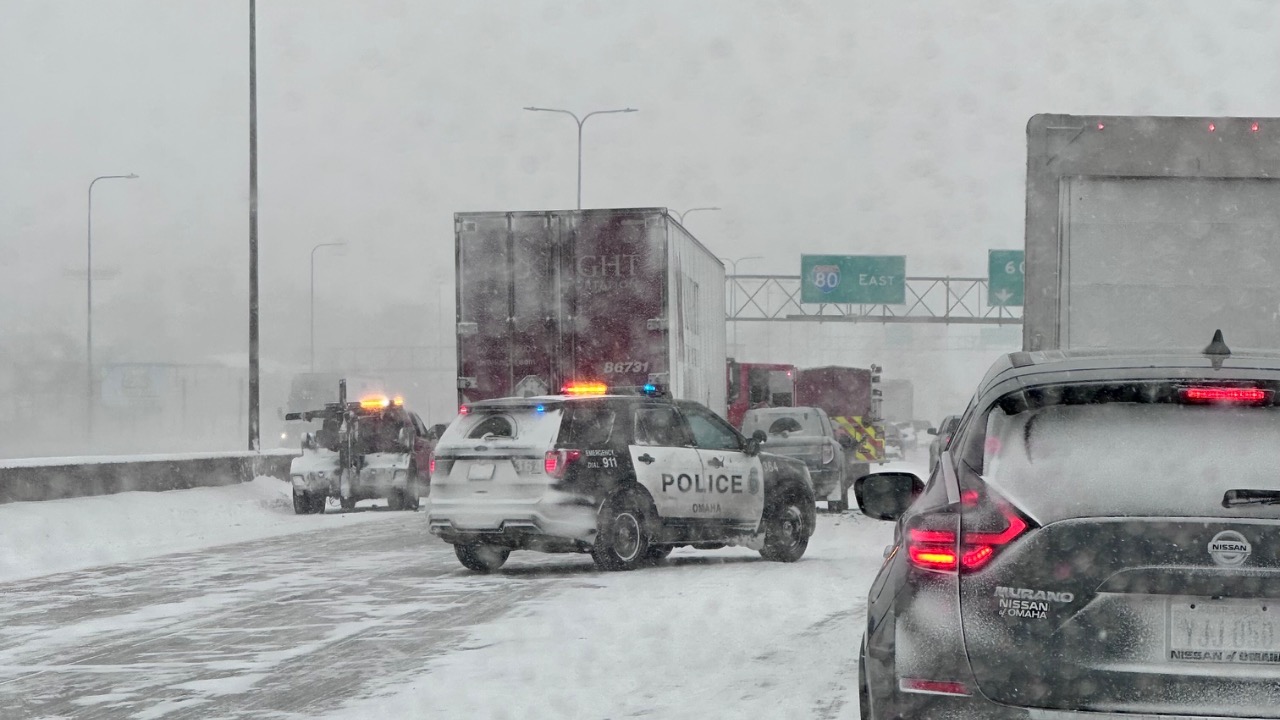
Meteorologists describe the incoming disturbance as part of a broader pattern that has repeatedly funneled cold air and Pacific moisture into the continental United States. A major winter storm is projected to sweep from Alaska toward the Northeast, echoing an earlier system that targeted 16 states with snow and ice and raised concerns about hazardous travel and power outages across a vast swath of the country.
National forecasters at weather.gov continue to highlight a corridor of heavy snow and strong winds along the storm’s track, with impacts expected to evolve as the low-pressure center reorganizes over the interior West and then pushes east. The same pattern recently produced a multi-hazard event with snow, freezing rain and even tornado risk stretching from the Great Plains to the East Coast, a reminder that cold-season systems can generate a mix of threats rather than a single type of precipitation.
As the new storm consolidates, guidance points to deepening low pressure over the central United States that will tap Gulf moisture on its southern flank while pulling Arctic air south on its western side. That setup favors a broad shield of snow on the cold side of the circulation and a narrow but dangerous band of ice near the rain-snow line, especially where warm air overruns entrenched surface cold.
Upper Midwest braces for another blast
The Upper Midwest has already endured a punishing stretch of March storms, and the new system is expected to keep that streak going. Parts of Minnesota and neighboring states have seen totals climb to 5 inches and higher in recent events, with local meteorologists describing widespread heavy snow and strong winds that reduced visibility and made travel treacherous.
Blizzard warnings were recently issued for sections of South Dakota and Minnesota as heavy snow combined with strong winds to create whiteout conditions. That system produced near-zero visibility at times and forced road closures as crews struggled to keep up with rapidly drifting snow. The new storm is expected to tap into the same cold air mass, raising the risk that fresh snowfall will pile onto existing drifts and snowbanks.
In southern Minnesota and northern Iowa, local updates have already flagged a renewed threat of heavy bands of snow and gusty winds as the next wave arrives. Earlier this month, regional stations reported totals already ranging from 5-plus inches in some communities, with lower amounts in areas that saw more mixing with sleet or freezing rain. Residents are now watching forecast tracks closely to see whether the heaviest band sets up over the same corridor again.
Farther west, mountain and high plains regions in Montana and the Wyoming border are also in line for another round of significant snow. A recent storm, named Winter Storm Iona, produced a foot or more of snow in parts of Montana and the Black Hills of South Dakota, and the new system is expected to reinforce deep snowpack in those same high-elevation zones.
Michigan and the Great Lakes in the crosshairs
Forecasters are particularly concerned about the Great Lakes region, where the storm’s cold conveyor belt is expected to intersect with lake-enhanced moisture. In Michigan, recent guidance highlighted the potential for extreme snowfall, with one probabilistic forecast suggesting that some locations could approach 3 feet of accumulation. That outlook translated to local headlines asking whether residents might see 3 feet of snow, as meteorologists pointed to a 34 percent chance of such totals in a narrow corridor.
Earlier this month, winter storm warnings and weather advisories were issued for a large portion of the state as a major system approached. Officials warned that the greatest snowfall accumulations were expected across the northern central high terrain of Marquette County, with some areas projected to receive up to 12 inches of snow as the storm moved west to east by afternoon. For parts of the central and eastern sections, forecasters also highlighted a zone of heavier icing that could coat trees and power lines.
The new storm is expected to follow a similar path, again targeting Marquette County and other snow-prone areas in Michigan’s Upper Peninsula with deep snow. Farther south, communities along the I 96 and I 94 corridors are preparing for a mix of heavy, wet snow and rain that could make plowing difficult and increase the risk of localized flooding where storm drains are blocked by ice or slush.
Recent experience has primed residents for serious disruption. A previous March storm dropped as much as 38 inches of snow in some locations, accompanied by 75 mph winds that toppled trees and power lines. That event showed how quickly conditions can deteriorate when strong winds combine with deep, wet snow, and emergency managers are urging people to prepare for similar hazards if the new system intensifies as projected.
Northeast and New England eye another major hit
While the storm’s early impacts will focus on the West and Upper Midwest, attention is already turning to the Northeast and New England. Earlier this year, a powerful and deadly blizzard, unofficially named Winter Storm Hernando by The Weather Chann, hammered the Northeastern United States with intense snowfall and strong winds from February 22 to February 24. That event shut down major highways, disrupted air travel and left some communities digging out for days.
The pattern that produced Hernando has not fully relaxed. A recent chain of storms described as a Triple threat megastorm scattered snow, high winds and thunder across the United States and affected an estimated 200 m people as it swept from the West into the central states and then the East. That system demonstrated how a single large-scale pattern can generate blizzard conditions in one region while triggering severe thunderstorms and even tornadoes in another.
As the new storm approaches, forecasters are watching how it will interact with coastal moisture and existing cold air over New York and interior New England. If the low tracks close to the coast, heavy snow could again slam interior valleys and higher elevations while coastal areas see a messy mix of rain, sleet and wind-driven snow. If the track shifts offshore, snow bands could pivot closer to the I 95 corridor, raising the possibility of significant accumulations in densely populated cities.
Residents who endured Hernando’s whiteout conditions are already replenishing supplies and monitoring local forecasts, wary of another storm that could bring down tree limbs, trigger coastal flooding and snarl commuter rail lines. Utility crews across the region are also staging equipment in anticipation of possible outages, especially in areas that still have saturated soils and weakened trees from earlier storms.
Western mountains: deep snow and travel hazards
In the West, the storm’s early stages are expected to deliver another round of mountain snow and difficult travel across key passes. Recent systems brought record seasonal snowfall to Juneau International Airport, Alaska, and the new disturbance is projected to reinforce deep snowpack in higher elevations of the Cascades and northern Rockies before sliding east.
States like Utah and Colorado could see heavy bursts of snow along major interstate corridors, with chain requirements and intermittent closures likely where snowfall rates peak. In Montana and the Black Hills of South Dakota, where Other Storm Totals Iona recently produced a foot or more of snow, additional accumulation will add to already deep drifts and increase avalanche danger in backcountry terrain.
High wind potential is another concern. In a recent multi-storm setup, widespread wind gusts south of the low track of 50 to 60 m were common on Thursday, with peak gusts going over 70 miles per hour in exposed areas. A similar configuration with the new storm would again threaten to knock down power lines, blow snow across roadways and create ground blizzard conditions even in places where new snowfall is relatively light.
Comparisons to a volatile winter pattern
The latest system is not arriving in isolation. It is the newest chapter in a winter that has repeatedly produced high-impact events across the country. Earlier this year, a multi-hazard storm brought snow, freezing rain and tornado risk from the Great Plains to the East Coast, illustrating how dynamic the atmosphere has been. That event followed the February blizzard associated with Winter Storm Hernando and preceded the Triple threat megastorm that affected 200 m people with snow, high winds and thunder.
In the Midwest, Winter Storm Iona delivered a concentrated blast of snow and wind. The storm produced a foot or more of snow in parts of Montana and the Black Hills of South Dakota, then spread heavy snow from southern Minnesota into Wisconsin and the Great Lakes. That sequence left many communities with significant snowpack and limited time to recover before the next storm arrived.
Local accounts from southern Minnesota and northern Iowa described how quickly conditions deteriorated as snow bands pivoted overhead. Totals were already ranging from 5-plus inches in some towns while the storm was ongoing, and strong winds created whiteout conditions on rural roads. The new system is expected to move over some of the same areas, raising the risk of roof-loading problems and renewed travel disruption.
In Michigan, the combination of deep snow and strong winds has already produced memorable scenes. Reports of 38 inches of snow and 75 m winds in a previous March event underscored how severe conditions can become when heavy snow coincides with near-hurricane-force gusts. For communities still cleaning up from that storm, another major system so soon afterward is a serious concern.
Travel, power and safety concerns
With another broad winter storm taking shape, transportation agencies, utilities and emergency managers across the affected regions are preparing for a familiar set of challenges. In the Upper Midwest, state departments of transportation are warning drivers to expect rapidly changing conditions, with visibility dropping quickly in heavier snow bands and on open stretches of highway where strong winds can loft powdery snow into the air.
In Minnesota, recent blizzard warnings prompted closures of major routes and advisories that travel could become impossible in rural areas during the height of the storm. Similar messages are likely if the new system produces the forecast combination of heavy snow and wind. Law enforcement agencies have urged residents to avoid nonessential travel, keep full fuel tanks and carry winter survival kits that include blankets, food and a charged phone.

Leo’s been tracking game and tuning gear since he could stand upright. He’s sharp, driven, and knows how to keep things running when conditions turn.