Officials say U.S. military action against Iran remains a possibility
Tension between the United States and Iran has a long history, but when officials openly acknowledge that military action remains on the table, it shifts the tone. You’re not hearing casual rhetoric. You’re hearing language that signals planning, positioning, and contingency options that already exist behind closed doors.
No one announces these possibilities lightly. When senior defense and administration officials speak this way, it reflects ongoing regional friction, force posture adjustments, and a broader strategy aimed at deterrence. You don’t move carrier strike groups or reposition air assets unless planners are weighing scenarios carefully. The reality is that military options are rarely the first choice—but they are rarely absent either.
Force Posture in the Persian Gulf
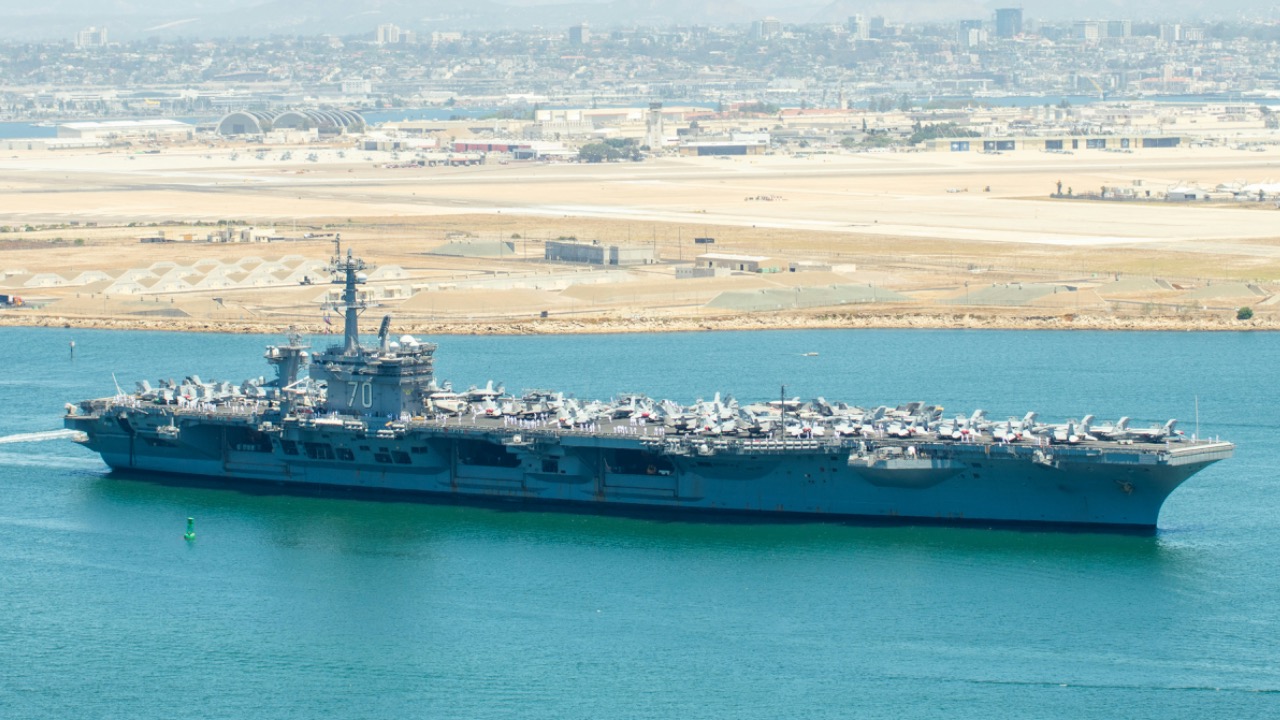
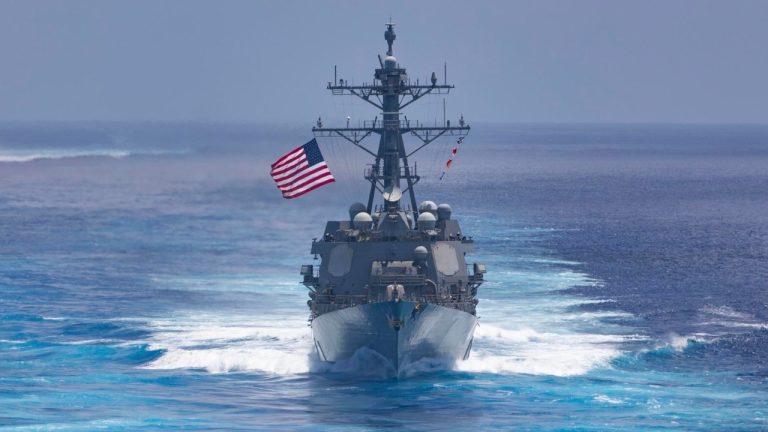
If you follow deployments, you already know the Persian Gulf remains one of the most closely monitored regions in the world. U.S. naval assets, including carrier strike groups and guided-missile destroyers, rotate through the area as part of standing commitments.
When tensions spike, you often see subtle shifts—additional air defense systems, bomber task force rotations, or extended deployments. These moves aren’t random. They’re designed to signal capability without crossing into open conflict. You don’t publicly discuss possible action unless the infrastructure to carry it out is already in place. Force posture tells you more than press briefings ever will.
The Role of Proxy Forces
You can’t evaluate the situation without looking at Iran’s network of regional partners and proxy groups. From militias in Iraq and Syria to Hezbollah in Lebanon, these forces complicate any direct military calculation.
If U.S. personnel or facilities are targeted by proxy groups, pressure builds quickly in Washington to respond. That response doesn’t always strike Iran directly, but escalation ladders can shorten fast. When officials reference “all options,” they’re often accounting for the unpredictable actions of these allied militias. In this environment, one rocket attack or drone strike can reshape the conversation overnight.
Air Power and Stand-Off Capabilities
Modern military planning rarely begins with boots on the ground. If action were taken, you’d likely see an emphasis on stand-off strikes using aircraft, cruise missiles, and long-range assets positioned outside immediate threat envelopes.
The U.S. maintains the ability to strike hardened targets, including underground facilities, without large-scale troop movements. That capability changes the calculus. It allows decision-makers to consider limited strikes designed to send a message or degrade specific infrastructure. You don’t need an invasion force to conduct meaningful military action in 2026. Precision, range, and speed dominate the discussion.
The Nuclear Question
Iran’s nuclear program remains a central factor in any military scenario. Concerns about uranium enrichment levels and inspection transparency have shaped U.S. policy for years.
When officials raise the possibility of military action, nuclear infrastructure is almost always part of the backdrop. Striking such facilities carries significant risks—regional fallout, environmental damage, and international backlash. You’re not looking at a clean, isolated event. Any operation tied to nuclear sites would carry consequences that extend far beyond immediate military objectives.
Regional Allies and Their Stakes
You also have to consider how regional allies would respond. Countries like Israel and Gulf states monitor Iranian capabilities closely, and their security calculations influence U.S. posture.
If conflict escalates, regional bases, airspace access, and missile defense coordination become critical. Those partnerships aren’t symbolic. They shape what is feasible in real time. When U.S. officials speak publicly about possible action, allied governments are already assessing their own readiness. You’re dealing with a web of commitments that can either contain escalation—or accelerate it.
Congressional and Public Constraints
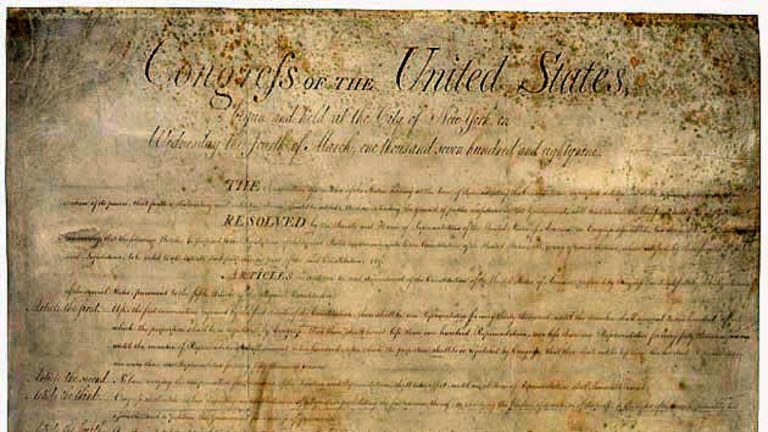
Military action isn’t solely a Pentagon decision. Congress holds constitutional authority over declarations of war, and public support matters in prolonged engagements.
Recent history has made Americans cautious about new Middle East conflicts. Any administration weighing action must factor in domestic reaction, economic impact, and election cycles. Even limited strikes can evolve into extended commitments. When officials say action remains possible, they’re acknowledging that legal and political frameworks are part of the battlefield too.
Economic and Energy Fallout
You can’t separate military calculations from global markets. The Strait of Hormuz handles a significant portion of the world’s oil shipments, and even a temporary disruption would ripple through energy prices.
If hostilities broke out, shipping lanes, insurance rates, and supply chains would react immediately. That pressure would be felt at gas pumps and in commodity markets worldwide. Decision-makers understand this. Military options are weighed alongside economic consequences that could hit American households within days.
The Risk of Miscalculation
Perhaps the most dangerous element in all of this is miscalculation. Military assets operating in close proximity, cyber operations in the background, and proxy engagements create constant friction.
You don’t need a formal declaration for escalation to occur. A misidentified drone, a strike interpreted as broader than intended, or a retaliatory move taken too quickly can shift events. When officials state that action remains possible, they’re also acknowledging how fragile deterrence can be. In high-tension environments, accidents and assumptions carry real weight.
The bottom line is this: military action isn’t inevitable, but it’s never theoretical either. When you hear officials keep that option open, it reflects a reality shaped by force positioning, alliances, political pressure, and a region that has rarely stayed quiet for long.

Asher was raised in the woods and on the water, and it shows. He’s logged more hours behind a rifle and under a heavy pack than most men twice his age.