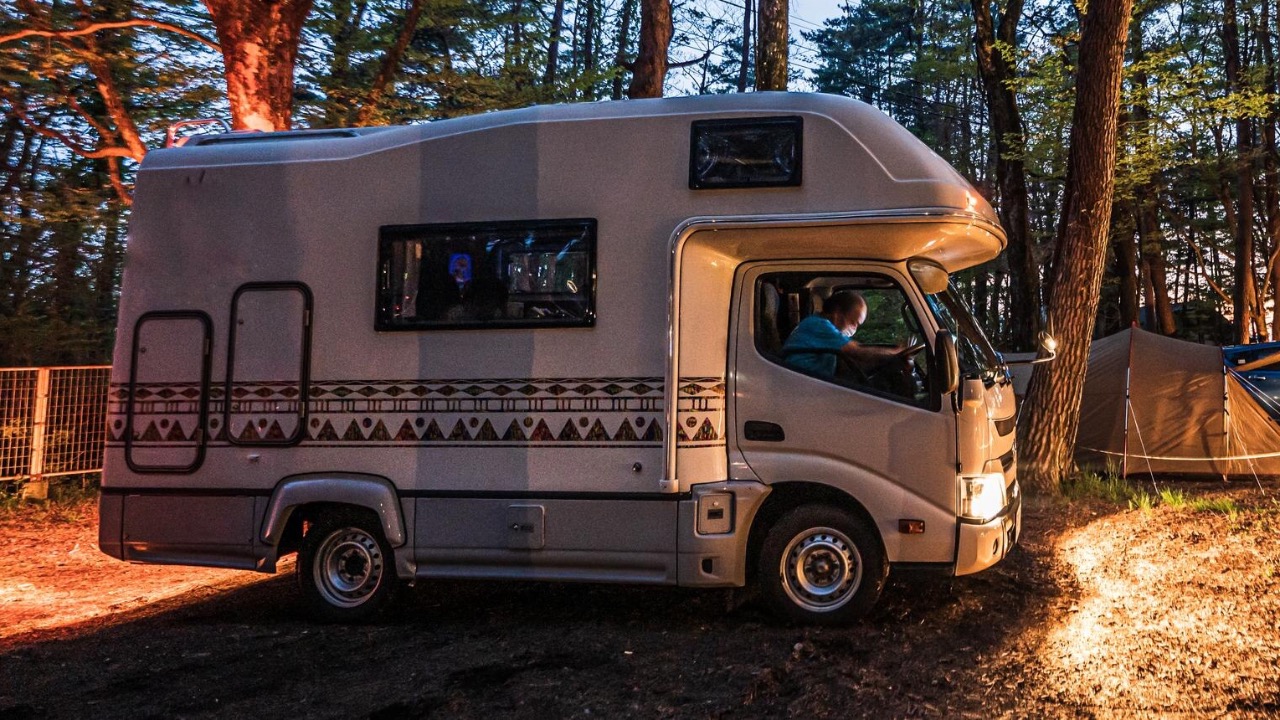
Car campers swear by this simple trick to stay warm on cold winter nights
Winter car camping can be brutally cold if you get the basics wrong, but a lot of seasoned sleepers keep coming back to one low-tech move that changes everything: a hot water bottle tucked into your sleep system. Used right, it turns a freezing vehicle into something that actually feels livable, even when the windows are frosted over. I have spent enough nights in trailhead parking lots and snowed‑in pullouts to see how this trick, paired with smart layering and ventilation, can make the difference between a long, shivery ordeal and a solid night of rest.
The method is straightforward: you heat water, pour it into a sturdy bottle, insulate it, and let it radiate steady warmth into your bag or blankets for hours. Around that core move, experienced campers build a full strategy that includes managing condensation, insulating the car, and treating your body like part of the system instead of an afterthought. Done together, these habits let you sleep in a Subaru Outback or a beat‑up pickup when the temperature drops well below freezing without running the engine all night or relying on risky heaters.
Why a hot water bottle works so well in a cold car

The reason a hot water bottle is so effective in a vehicle is simple physics. Water holds a lot of heat, and when you trap that heat inside a sleeping bag or under a pile of quilts, it releases slowly instead of spiking and fading like a blast from the dashboard vents. Car campers talk about filling a Nalgene‑style bottle with boiling water, wrapping it in a towel, and sliding it into their bedding so it radiates warmth for hours without scorching skin, a method that shows up again and again in winter threads where someone says, “One trick I have read is to boil up some water, pour it into a Nalgene‑style or metal water bottle, wrap the bottle up in a towel.” That same advice stresses that the towel is there to prevent contact burns, which is a detail people tend to learn the hard way if they skip it and hug bare plastic straight off the stove.
In practice, I treat the bottle like a portable campfire that I can move around my body as the night goes on. I will start it near my feet to warm up cold socks and the bottom of the bag, then pull it toward my core once my circulation catches up. Other drivers do the same thing, tucking the bottle into their lap while they read or cook, then sliding it under the covers right before lights out, which lines up with the way experienced users describe using a hot bottle as a low‑tech heater in the back of a car. When you combine that with a decent sleeping pad and some insulation under your hips, you are no longer relying on the car’s thin floor and cold air to keep you comfortable, you are carrying your own heat source into bed.
How to prep and place the bottle so it actually keeps you warm
Getting the hot water trick right starts before you ever crawl into the back seat. I boil water on a small stove outside the vehicle, then pour it into a wide‑mouth bottle that I know can handle near‑boiling temperatures without deforming. Once it is sealed, I wrap it in a towel or spare base layer, both to prevent burns and to slow the heat loss so it stays warm longer. That matches what experienced car campers describe when they talk about filling a Nalgene or metal bottle and wrapping it carefully so it can ride inside a sleeping bag without causing problems, a detail that shows up in more than one winter camping discussion.
Placement matters just as much as prep. If my feet are cold, I will park the bottle near my ankles for the first half hour, then move it to my inner thighs or lower abdomen where it can warm blood flowing to the rest of my body. Some people like to stash a second bottle near their torso, but even a single one, used smartly, can preheat a bag and take the edge off icy bedding. When I am setting up for a long night, I will often slide the wrapped bottle into my bag ten or fifteen minutes before I plan to sleep, zip it up, and let it turn that space into a warm pocket, the same way others describe using hot water bottles to preheat blankets or down quilts in a vehicle before climbing in.
Layering your sleep system around that core heat source
The hot bottle is the engine, but the rest of your sleep system is the insulation that keeps that heat from bleeding away. Veteran car campers talk about “Layers. Seriously. Not just with clothing, if you are cold while sleeping get a sleeping …” and they are right, you want layers under you, around you, and on you. I start with a foam pad or folded blankets on the platform, then add a sleeping pad, then a winter‑rated bag or a stack of quilts, and finally a loose top blanket to trap air. That stack of materials works like the walls of a house, slowing the escape of heat from the bottle and from your own body so you are not feeding warmth into a system that leaks it straight into the metal body of the car.
Clothing layers follow the same logic. I sleep in a dry base layer, warm socks, and a light hat, then keep a puffy jacket nearby to throw over my torso if I wake up chilled. The goal is to avoid sweating, which will make you colder later, while still giving the hot water bottle something to warm up besides bare skin. People in the Comments Section of winter car camping threads hammer this point, repeating that Layers and Seriously are not optional when the temperature drops, and that Not paying attention to what you wear to bed is one of the fastest ways to sabotage an otherwise solid setup. When you dial in both your bedding and your clothing, the hot bottle does not have to work nearly as hard to keep you comfortable.
Ventilation and condensation: the counterintuitive key
One of the most common mistakes I see is people sealing up every crack in the car to “keep the heat in,” then waking up soaked in condensation and feeling colder than when they went to sleep. Warm, moist air from your breath and body hits cold glass, turns to water, and leaves everything clammy. Experienced winter campers warn that you should Follow the same basic rules as tent camping in the winter, which includes making sure you have ventilation to reduce condensation buildup by cracking windows or using vent visors so air can move. That small bit of airflow lets moisture escape instead of coating your sleeping bag and clothes, which would otherwise rob you of warmth as the night goes on.
Recent advice aimed at car sleepers goes even further, pointing out that Airflow not only keeps you dry and thus warm so you can get a full night’s rest, it also keeps all your clothing and gear dry for the next day. One detailed breakdown explains that it might sound counterintuitive, but you should crack your windows even when it is freezing, because your breath and body heat create condensation that will soak your gear if it has nowhere to go, a process that is especially obvious when you wake up to fogged windows and damp insulation. I have found that pairing a hot water bottle with a slightly open window and a small microfiber towel for wiping glass in the morning gives me a much warmer, drier sleep than trying to seal the car like a thermos.
Insulating the car itself so your heat lasts longer
A hot water bottle can only do so much if your vehicle is bleeding heat out of every surface. Cars lose warmth quickly through glass, metal, and uninsulated floors, which is why some guides break down Why Cars Lose Heat So Quickly Overnight before walking through ways to Keep Your Car Warm in Winter Overnight. The basic fixes are simple: cover windows with reflective or insulated panels, lay foam or thick blankets over bare metal, and block drafts around doors and tailgates. When you do that, the heat from your body and your hot bottle stays in the living space instead of leaking into the night.
One practical list of tips for how to Keep Your Car Warm in Winter Overnight points out that you can improve cabin insulation with window covers, floor mats, and even temporary barriers behind the front seats, then supplement that with safe heat sources like hot water bottles or heat packs. I have had good luck cutting Reflectix panels to fit the windows of a Subaru Outback and pairing those with a DIY sleeping platform that lifts me off the cold floor, a setup that mirrors what other drivers describe when they talk about building an easy DIY bed in the back of a wagon. Once the shell of the car is insulated, the hot bottle becomes far more effective, because you are no longer trying to warm the entire vehicle, only the small pocket of air around your bed.
Dialing in your car camping layout and gear
Layout matters more than most people think. When I converted a Subaru Outback into a winter‑ready rig, I built a simple DIY platform that let me sleep flat with storage underneath, which kept gear out of the way and gave me room to spread out my sleep system. That same approach shows up in detailed write‑ups where someone explains how they turned a Subaru Outback into a solo car camping setup by building an easy DIY sleeping plan, then focused on the KEY to staying warm once they were in the car. A flat, level surface makes it easier to keep the hot water bottle where you want it and to avoid cold spots where your body presses against bare metal or thin padding.
Beyond the platform, I like to keep a small “night kit” within arm’s reach: the hot bottle, a headlamp, a hat, dry socks, and a snack. That way I am not rummaging through bins in the dark if I wake up cold or hungry. Others recommend a similar approach, keeping hot water bottles, extra blankets, and even a large thermos of hot drink close at hand so you can top up warmth without leaving your cocoon, advice that lines up with people who talk about using a heap of blankets or down quilts plus some hot water bottles to fill before bed for a low‑tech solution in a vehicle. When your layout supports the way you actually move and sleep, the hot bottle becomes part of a smooth routine instead of a last‑minute scramble.
Borrowing tricks from winter tent campers
Most of the rules that keep you warm in a tent carry straight over to a car. Winter campers talk about packing a wood stove when they can, but they also stress basics like eating a big, warm meal, staying dry, and using clothing layers to trap heat. One set of cold‑weather tips for staying warm while winter camping highlights the value of layering, hot food, and managing moisture, all of which apply directly when you are sleeping in a vehicle instead of under canvas. The hot water bottle fits into that same toolkit as a safe, controllable heat source that does not rely on open flames or idling engines.

Asher was raised in the woods and on the water, and it shows. He’s logged more hours behind a rifle and under a heavy pack than most men twice his age.