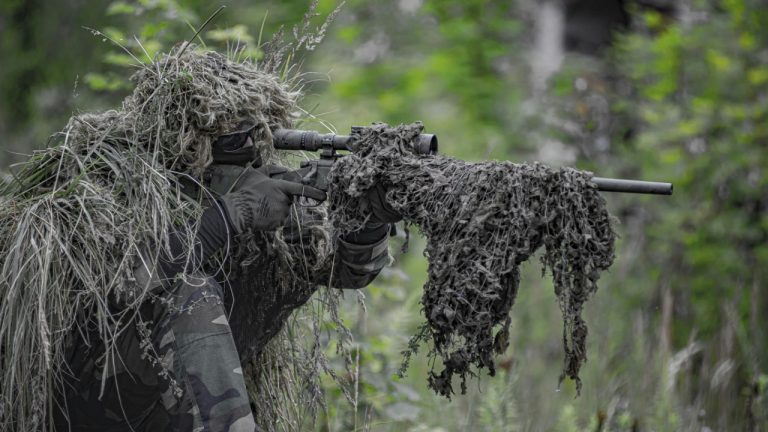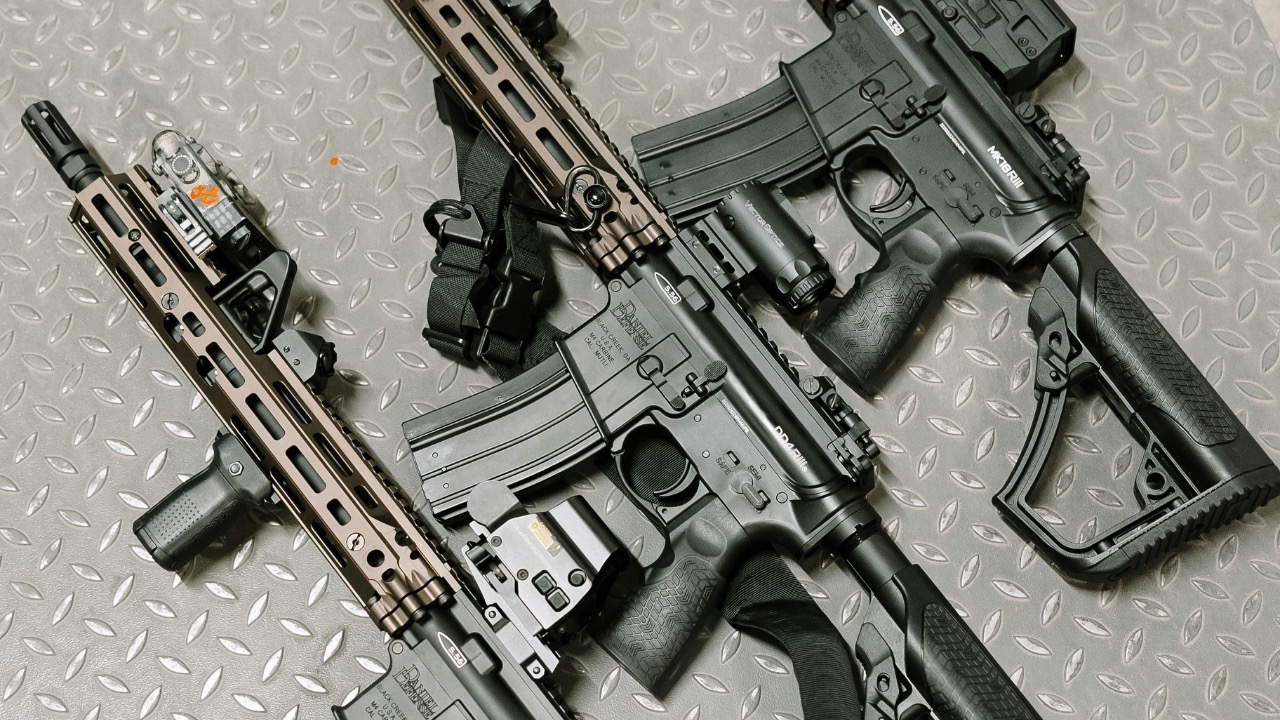
Carbines vs. rifles: how to decide which one fits your needs
Spend enough time around gun counters, ranges, or deer camps and you’ll hear the words carbine and rifle used like they mean the same thing. They don’t. The difference usually comes down to barrel length, weight, and the role the firearm was designed to fill. A carbine is typically shorter and handier. A rifle tends to have a longer barrel that squeezes more velocity and stability out of a cartridge.
Neither is automatically better. The right choice depends on how you plan to use the gun, where you’ll be carrying it, and how much performance you actually need. If you’re weighing the decision, it helps to think through the real-world factors that matter once you leave the gun shop and start shooting or hunting.
Barrel Length Changes the Entire Character of the Gun
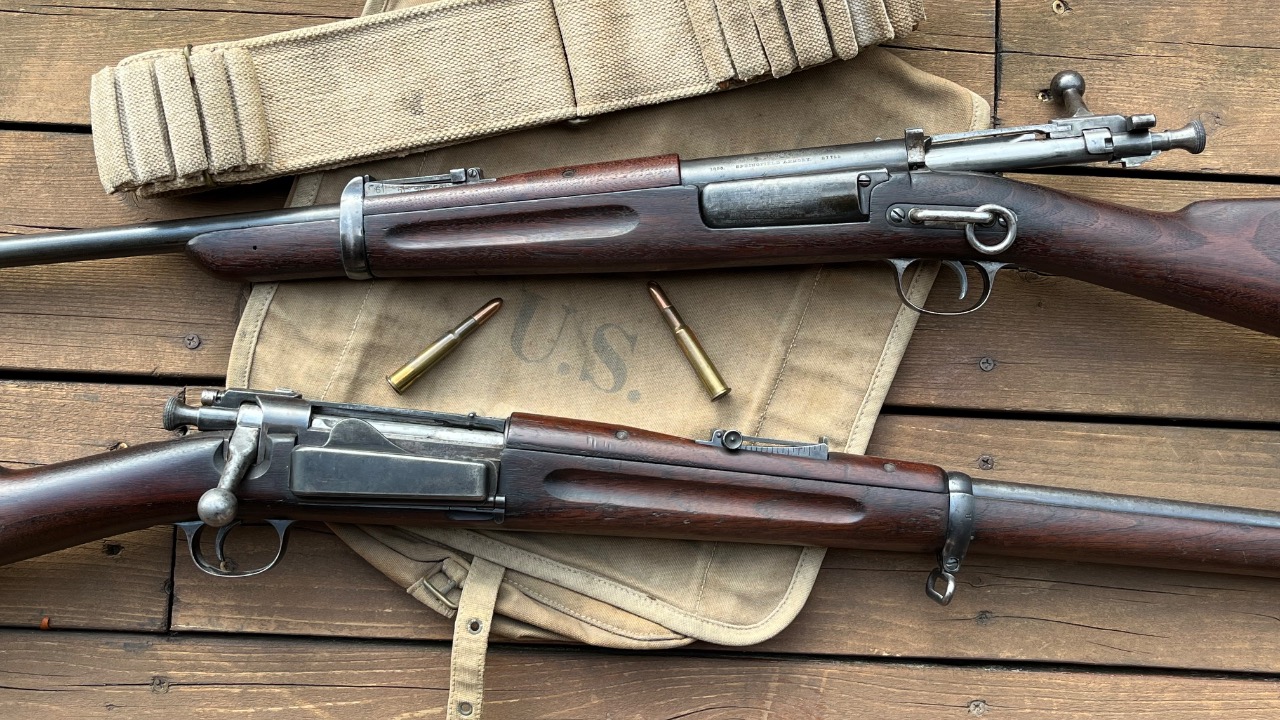
The biggest difference between carbines and rifles is barrel length, and that one factor changes almost everything about how the gun behaves. Carbines usually run shorter barrels, often around 16 inches on modern platforms. Rifles commonly stretch into the 20–24 inch range depending on the caliber and intended use.
When you shoot them side by side, you notice the difference immediately. The longer barrel on a rifle tends to produce higher velocity, which helps with trajectory and energy downrange. A carbine sacrifices some of that performance in exchange for maneuverability. That tradeoff becomes more noticeable the farther your shots stretch beyond typical woods or defensive distances.
Weight Matters More Than You Expect
At first glance the weight difference between carbines and rifles doesn’t seem dramatic. In the field, though, even a pound or two can change how the gun feels after hours of carrying it.
Carbines are typically lighter and easier to move with. If you’re climbing into stands, hiking rough terrain, or running drills on a range, that reduced weight becomes a real advantage. Rifles often feel steadier once you’re set up to shoot, but they can wear on you over the course of a long day. Your tolerance for carrying weight should absolutely factor into the decision.
Maneuverability in Tight Spaces
Shorter guns move through tight areas more easily. That’s where carbines often shine. If you’re navigating brush, climbing in and out of vehicles, or working inside structures, a shorter firearm is easier to control without snagging on everything around you.
Rifles can feel awkward in those same conditions. The longer barrel changes how the gun swings and how quickly you can reposition it. In open country or on a shooting bench that extra length doesn’t matter much. In cramped environments it becomes obvious very quickly why carbines were originally developed for cavalry and other mobile troops.
Velocity and Downrange Performance
Longer barrels allow powder to burn more completely before the bullet exits the muzzle. That generally means more velocity, and velocity plays a big role in how a cartridge performs downrange.
With a rifle-length barrel you often gain several hundred feet per second depending on the cartridge. That extra speed can flatten trajectory and improve terminal performance. Carbines give up some of that efficiency. At moderate distances the difference may not matter much, but when you start pushing past a few hundred yards the advantages of a longer barrel become more noticeable.
Noise and Muzzle Blast
Shorter barrels tend to produce sharper muzzle blast. When the bullet exits earlier, more unburned powder ignites outside the barrel, which increases flash and concussion.
Carbines are known for this effect, especially with cartridges originally designed for longer barrels. The blast can be surprisingly intense, particularly on indoor ranges or around barricades. Rifles with longer barrels usually direct more of that burn inside the barrel itself, which softens the report a bit. You’ll still want hearing protection either way, but the shooting experience can feel very different.
Accuracy Potential Over Distance
Accuracy often depends more on the shooter than the gun, but barrel length still plays a role. Longer barrels usually provide a longer sight radius if you’re running iron sights, which helps with precision.
Rifles also tend to produce more consistent velocities, which can tighten groups at longer distances. Carbines are certainly capable of excellent accuracy, especially with optics, but they generally shine at moderate ranges. If your shooting regularly stretches into longer distances, the characteristics of a full-length rifle start working in your favor.
Balance and Handling
The way a firearm balances affects how naturally it points. Carbines usually carry their weight closer to the shooter, which makes them feel lively and quick when transitioning between targets.
Rifles shift that balance forward due to the longer barrel. That added front weight can steady the gun once you’re on target, particularly for prone or supported shooting. Some shooters prefer that planted feel, while others find it slower during rapid movement. Handling characteristics are hard to judge on paper, which is why experienced shooters always try to shoulder both before making a decision.
Optics and Accessory Setup
Modern firearms often carry optics, lights, bipods, and other gear. The platform you choose affects how comfortably those accessories fit into the overall setup.
Carbines frequently wear compact optics like red dots or low-power scopes that complement their close-to-midrange strengths. Rifles, particularly those meant for distance work, are more likely to carry larger magnified optics and bipods. Once you start adding equipment, the length and weight of the gun become even more noticeable. Thinking about your intended setup ahead of time can help steer you toward the platform that supports it best.
The Kind of Shooting You Actually Do
One of the easiest ways to decide between a carbine and a rifle is to look honestly at how you’ll use it. If most of your shooting happens inside a couple hundred yards or in dense terrain, a carbine often makes more sense.
If you spend your time in wide-open country, working longer ranges, or shooting off rests and bipods, a rifle’s advantages become clear. Many shooters buy guns based on what they might do someday rather than what they actually do most often. Taking a realistic look at your habits usually points you toward the better choice.
Historical Purpose Still Influences Modern Design
The difference between carbines and rifles didn’t appear randomly. Carbines were originally designed for mounted troops and soldiers who needed something shorter and easier to handle in motion.
Rifles evolved for situations where range and power mattered more than compactness. Even though modern designs have changed a lot, those original roles still shape how the guns are built. Understanding that background helps explain why certain platforms feel the way they do when you carry them, shoulder them, and fire them.
Comfort Over Long Shooting Sessions
Long range days reveal details that don’t show up during a quick test. The way a gun sits on your shoulder, how it balances, and how much recoil you feel all add up over time.
Carbines can be easier to handle when moving around, but their lighter weight sometimes means sharper felt recoil. Rifles tend to soak up some of that recoil thanks to their mass. If you plan on extended practice sessions or long hunts, comfort becomes a bigger factor than many shooters expect when they first start comparing options.

Asher was raised in the woods and on the water, and it shows. He’s logged more hours behind a rifle and under a heavy pack than most men twice his age.