8 Dog Breeds That Experts Advise Against Keeping as Pets
You hear it all the time—there’s no such thing as a bad dog, only a bad owner. There’s truth in that, but it doesn’t tell the whole story. Some breeds come with traits that make them a tough fit for the average household. High drive, size, strength, or stubborn wiring can turn everyday ownership into a constant management job.
If you’ve spent time around working dogs or strong-willed breeds, you already know the difference. These dogs weren’t built for casual ownership. They were bred for specific jobs, and when those needs aren’t met, problems follow. Here are a handful of breeds that experienced trainers and handlers often caution people to think twice about.
Cane Corso
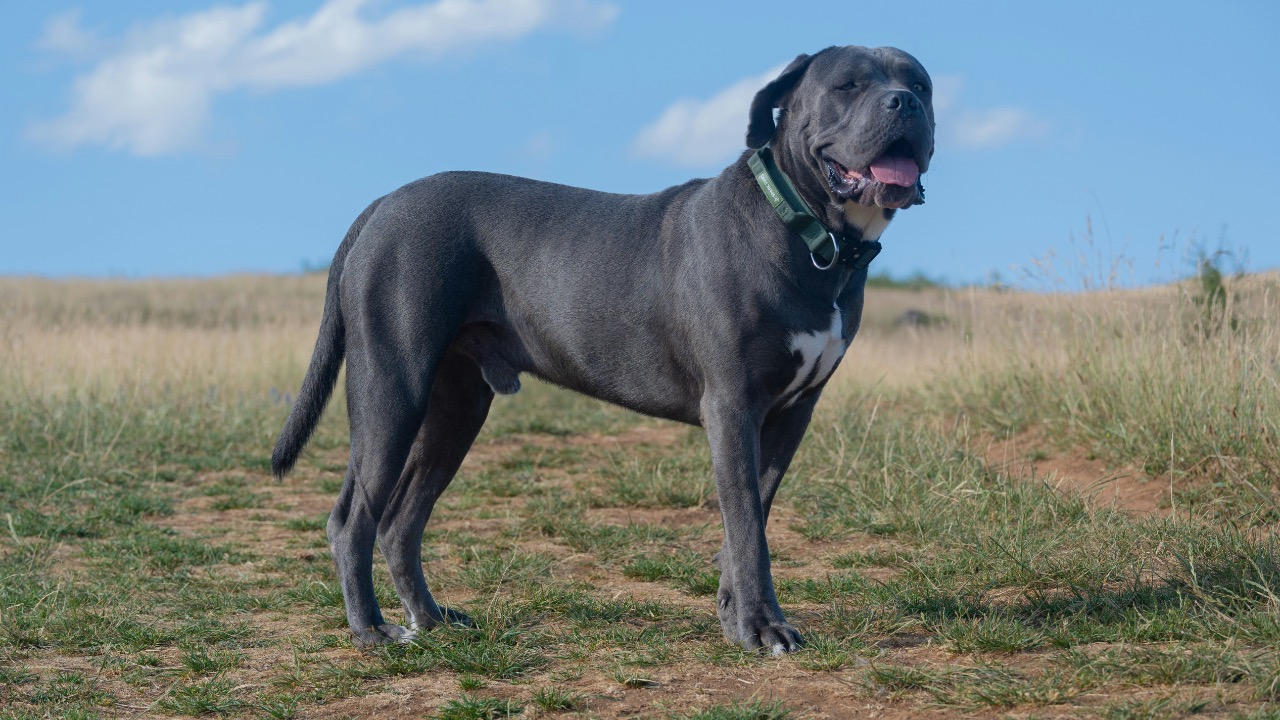
You’re dealing with a powerful guardian breed that was built to protect property and family. That instinct runs deep. A Cane Corso without proper structure, training, and early socialization can become overly suspicious or reactive.
This isn’t a dog you figure out as you go. You need firm, consistent handling and a clear understanding of how to manage a dominant, territorial animal. In the wrong hands, things can escalate fast. In the right hands, they’re loyal and steady—but most households aren’t set up for that level of responsibility day in and day out.
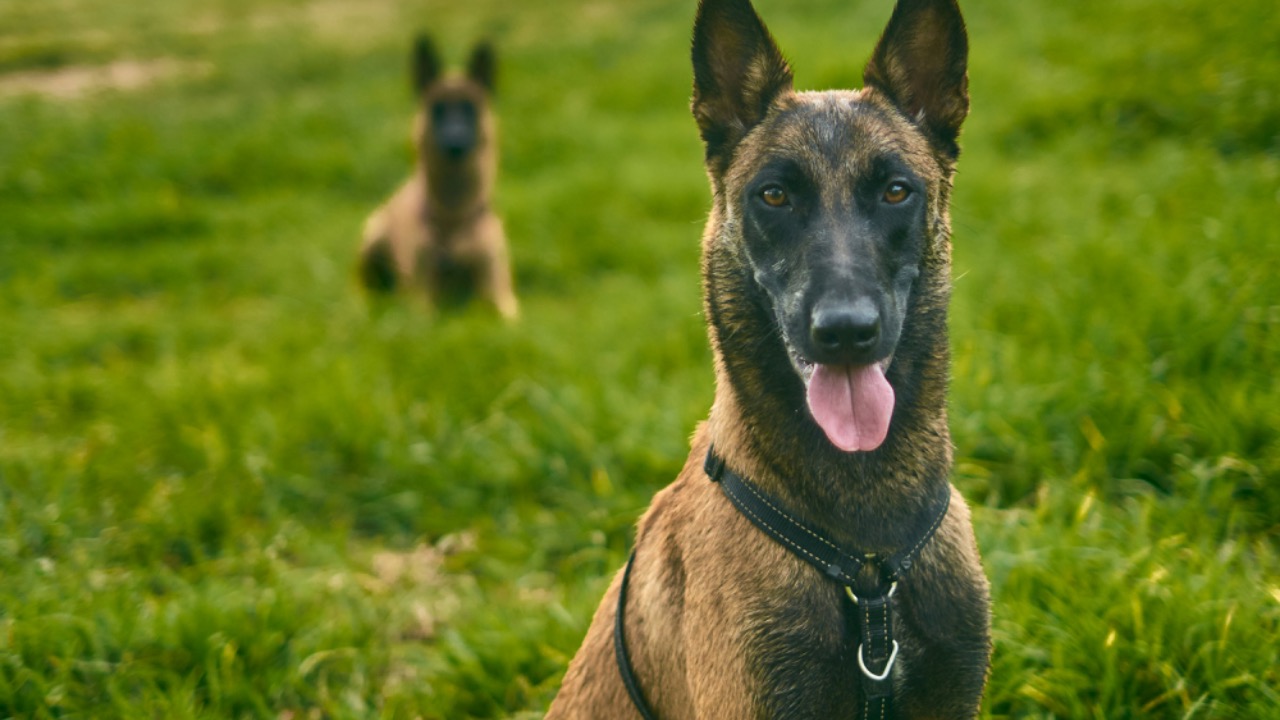
Belgian Malinois
There’s a reason law enforcement and military units rely on this breed. Belgian Malinois are wired for work, and they don’t shut it off when the day ends.
If you bring one into a typical home without a job, you’ll see it come out sideways—chewing, pacing, or developing behavioral issues. These dogs need constant mental and physical engagement. You’re not walking this dog around the block and calling it good. Unless you’re committed to training and working the dog regularly, it will outpace you quickly.
Wolfdog Hybrids
Wolfdogs carry a mix of domestic and wild instincts, and that unpredictability is where problems start. You can’t fully rely on typical dog behavior patterns, especially when stress or unfamiliar situations come into play.
Containment is another issue. These animals are known escape artists, and once they’re out, they don’t respond like a house pet. Even experienced handlers struggle with them. Most states and municipalities also have strict rules around ownership, which adds another layer of complication you don’t want to deal with after the fact.
Chow Chow
Chow Chows look calm and self-contained, and they are—but that independence can turn into stubbornness and aloof behavior if you’re not careful.
They’re not naturally outgoing or eager to please, which makes training a slower process. Without early socialization, they can become wary of strangers and even aggressive in certain situations. This isn’t a dog that tolerates mishandling or inconsistency. You need patience and a steady approach, or you’ll end up with a dog that controls the household instead of the other way around.
Akita
Akitas are strong, quiet, and highly loyal to their people, but they come with a serious edge. They tend to be dominant and often don’t tolerate other animals, especially dogs of the same sex.
You need to stay ahead of that behavior early. Left unchecked, it can turn into real problems in public or even at home. They’re not overly expressive, so you have to read subtle cues. If you miss them, situations can escalate before you realize what’s happening. This is a breed that demands respect and structure every day.
Dogo Argentino
Bred for big-game hunting, the Dogo Argentino carries strength, endurance, and a high prey drive. That combination doesn’t always translate well into suburban living.
You’ll need secure containment, consistent training, and a firm handle on their instincts. Small animals can trigger that prey drive, and once it’s engaged, it’s hard to interrupt. They can be loyal and even-tempered with proper handling, but without it, they become difficult to manage. This isn’t a casual companion—it’s a working dog at its core.
Siberian Husky
Huskies are popular for a reason, but they’re also one of the most commonly rehomed breeds. People underestimate how much work they are.
These dogs are built to run, and they’ll test your fencing and your patience. They’re vocal, independent, and not particularly concerned with pleasing you. Training takes persistence, and even then, recall can be unreliable. If they get loose, they’re gone. You need time, space, and a willingness to stay on top of them every day.
Presa Canario
The Presa Canario is another large guardian breed with serious presence. They were developed for protection and control of livestock, and that instinct doesn’t fade in a home setting.
You’re responsible for managing a dog that can overpower most situations if things go wrong. That means early training, strict boundaries, and ongoing control. They’re not forgiving of mistakes, and they don’t respond well to inconsistent handling. For experienced owners, they can be steady and dependable. For everyone else, they’re a risk you don’t want to take lightly.
You can make a case for any breed with the right owner. But if you’re honest about your time, experience, and lifestyle, you’ll see why some dogs demand more than most people can give. Picking the right dog isn’t about pride—it’s about knowing what you can handle before it turns into a problem.

Asher was raised in the woods and on the water, and it shows. He’s logged more hours behind a rifle and under a heavy pack than most men twice his age.