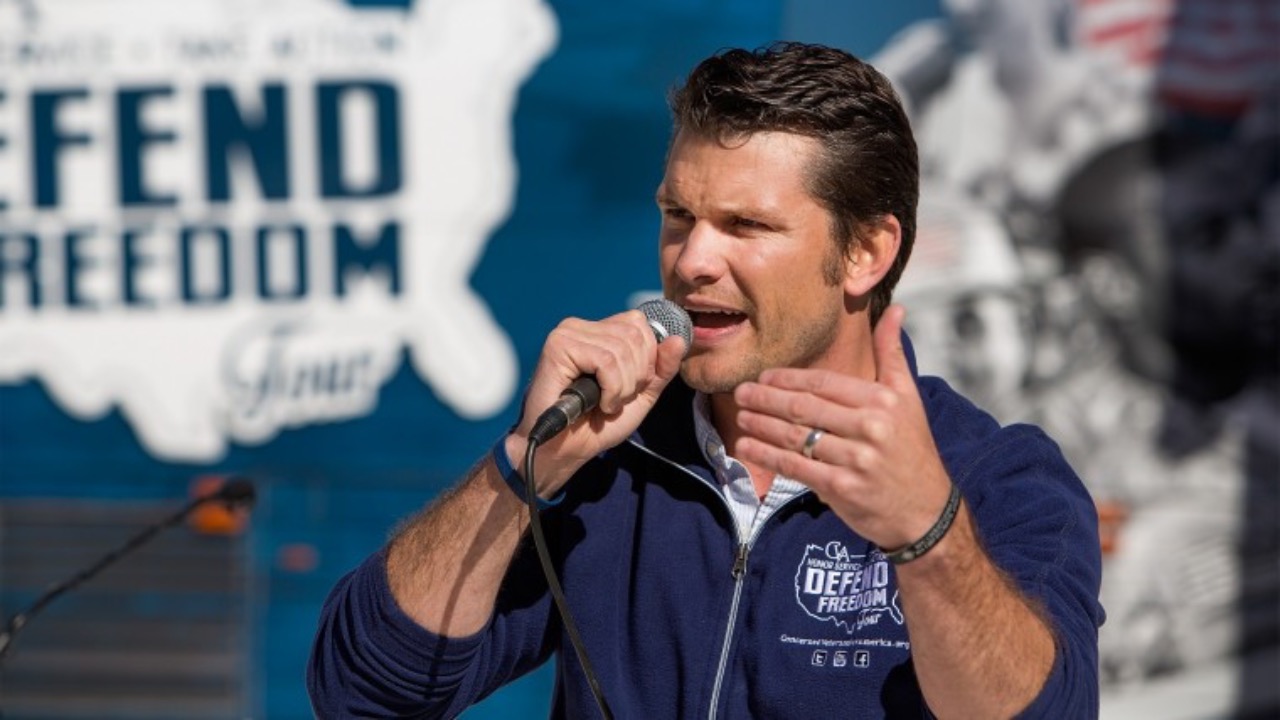
Controversy grows after military promotion decisions raise questions
Defense Secretary Pete Hegseth’s intervention in a slate of Army promotions has triggered a storm inside the Pentagon and on Capitol Hill, with critics warning that political preferences are seeping into decisions that shape the military’s top ranks. What began as a personnel dispute over a handful of officers has widened into a broader argument over merit, diversity, and civilian control of the armed forces.
The controversy centers on reports that Hegseth blocked the advancement of two Black officers and two female officers and later pressed for broader changes to a generals list, moves that opponents say undercut confidence in a fair promotion system. Supporters frame the same steps as a long-overdue correction that restores a stricter standard of meritocracy.
The promotion list that lit the fuse
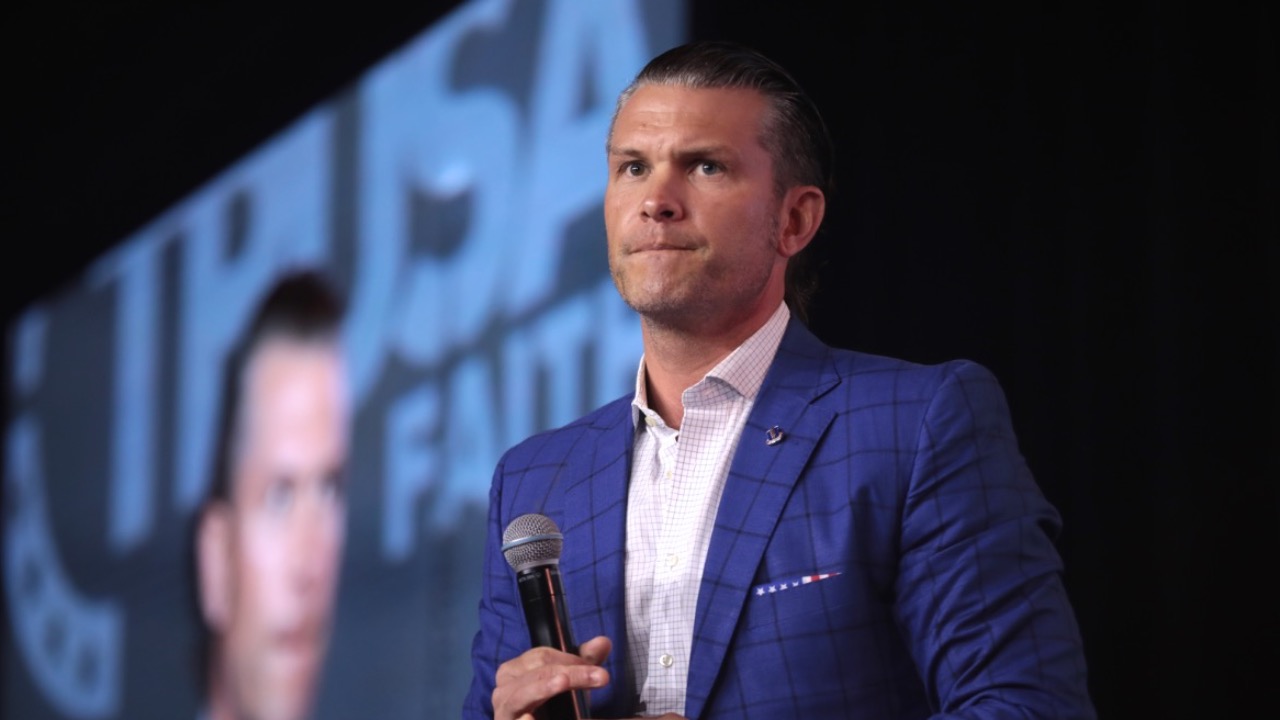
Backlash intensified after reports that Pete Hegseth personally altered a list of Army general promotions that had already cleared the normal vetting process. According to one account, the changes removed several officers who had been slated to become one-star generals and reshuffled others, a rare intervention in a process that is typically handled inside the services and then forwarded to the White House and Senate for approval.
The uproar grew louder when reporting indicated that the blocked group included two Black officers and two female officers, raising immediate questions about whether race or gender had influenced the decision. Senior military officials, cited in coverage that referenced the Backlash surrounding the moves, described the intervention as highly unusual and warned that it could chill candid career discussions inside the ranks.
In Washington, the dispute quickly shifted from personnel to principle. Critics argued that once a promotion list has passed through service boards and civilian review, last-minute edits by a single political appointee risk looking arbitrary, even if they are technically legal.
Hegseth’s allies invoke meritocracy
Supporters of the Defense Secretary have cast the intervention as a necessary stand for higher standards. A social media post amplified a video in which a narrator said that Today Defense Secretary was facing scrutiny after blocking four officers from becoming one-star generals, but presented the move as a correction rather than a purge.
Another account described how Pentagon officials publicly defended War Secretary Pete and his choice to remove several officers from a promotion list, arguing that the changes were grounded in performance concerns. Those defenders have echoed a broader talking point that the military’s leadership pipeline had tilted toward box-checking and demographic targets instead of combat readiness.
In that framing, Hegseth is not undermining the system but restoring it. The message to the officer corps is that past evaluations and reputations are no longer enough, and that every promotion to general rank will face sharper scrutiny from the top.
Meritocracy or coded politics
The word that appears most often in support of Hegseth’s decision is meritocracy. One detailed report said the Pentagon cited meritocracy when pressed about the removal of certain officers from the list, even as Democrats questioned whether that explanation masked ideological or cultural litmus tests.
According to that account, Army Secretary Dan Driscoll initially declined to remove the officers, only for the decision to be revisited after additional pressure. The reference to Army Secretary Dan Driscoll has become a focal point for critics who argue that the service’s own judgment was overridden for reasons that have not been fully explained.
Outside advocates have also weighed in. Bree Fram, a senior officer and prominent voice on inclusion, said, “You accept an oath to serve without prejudice or partiality,” and added that the only thing that should matter is the service record of the members involved. Fram’s comments, reported in coverage of Hegseth general promotions, captured a growing anxiety that references to merit are becoming stand-ins for rolling back gains by women, Black officers, and LGBTQ service members.
Allegations of bias and the diversity debate
Opponents of Hegseth’s intervention have seized on the reported identities of the blocked officers to argue that the decision is not neutral. A video recap stated that senior military officials told the New York Times that Defense Secretary Pete Hegseth blocked the promotion of two female officers and two Black officers, and suggested that he did not want to stand next to a Black female officer at a public ceremony.
A separate video report described how a move by the Pentagon and Defense Secretary Pete sent shockwaves through the building when it became clear that two Black and two female officers were the ones whose promotions had been halted. Those accounts have not been publicly matched with named officers, which has fueled both suspicion and uncertainty inside the services.
Advocates for greater representation in the military argue that even the perception that race or gender influenced the decision can discourage talented officers from pursuing senior roles. For them, the case has become a test of whether diversity efforts can survive when they collide with political narratives about so-called “woke” leadership.
Senate pushback and a new front in the fight
The controversy has not been confined to the Pentagon. On Capitol Hill, Senator Ron Wyden responded by placing a hold on three officers he labeled “unfit” for promotion, in what he described as a direct retort to Hegseth’s actions. In a statement, Wyden cited a March 2023 podcast appearance by one officer, Siverts, and argued that Siverts’s participation raised serious questions about judgment.
The same report detailed how Wyden used Senate procedure to stall the three nominations, signaling that lawmakers were prepared to use their own leverage over promotions in response to what they saw as politicization from the executive branch. The mention of Siverts, in particular, underscored how personal histories and media appearances are now being combed for evidence of ideological alignment or extremism.
That tit-for-tat approach risks turning general officer promotions into another partisan battlefield, with each side using individual careers as proxies in a larger ideological struggle.
Inside Washington’s broader debate
Behind the specific names and lists lies a deeper argument about what kind of officers should lead the military in the coming decades. A widely shared social post framed the uproar as part of a wider Washington fight over whether the Pentagon should prioritize pure performance metrics or balance them with efforts to build leadership teams that reflect the country. The post linked to Pentagon Promotion Decisions and described a capital city split between those two visions.
The same debate plays out in think tank panels, veterans’ groups, and on social media, where some commentators argue that combat arms experience and deployment records should outweigh all other factors, while others insist that a modern force must also value cultural competence, ethical leadership, and the ability to work with diverse coalitions.
For many serving officers, the worry is less about which side wins that argument and more about whether they can trust the rules of the game. If promotion boards spend months evaluating files only to see their choices rewritten late in the process, confidence in the institution can erode quickly.
Signals from the Pentagon and what comes next
Inside the building, officials have tried to project calm. Several statements have emphasized that the Department remains committed to fair treatment for all officers and that decisions are based on performance and potential. At the same time, coverage that described how Pentagon officials defended Hegseth’s choices while facing internal unease suggests that not everyone is convinced.
Outside observers have been quick to place the episode within a longer pattern. Activists and commentators who track civil-military relations point to a series of recent disputes over diversity training, social media posts by officers, and the handling of sexual assault cases. They argue that the promotions fight is another sign that the line between professional military judgment and partisan politics is becoming harder to see.

Asher was raised in the woods and on the water, and it shows. He’s logged more hours behind a rifle and under a heavy pack than most men twice his age.