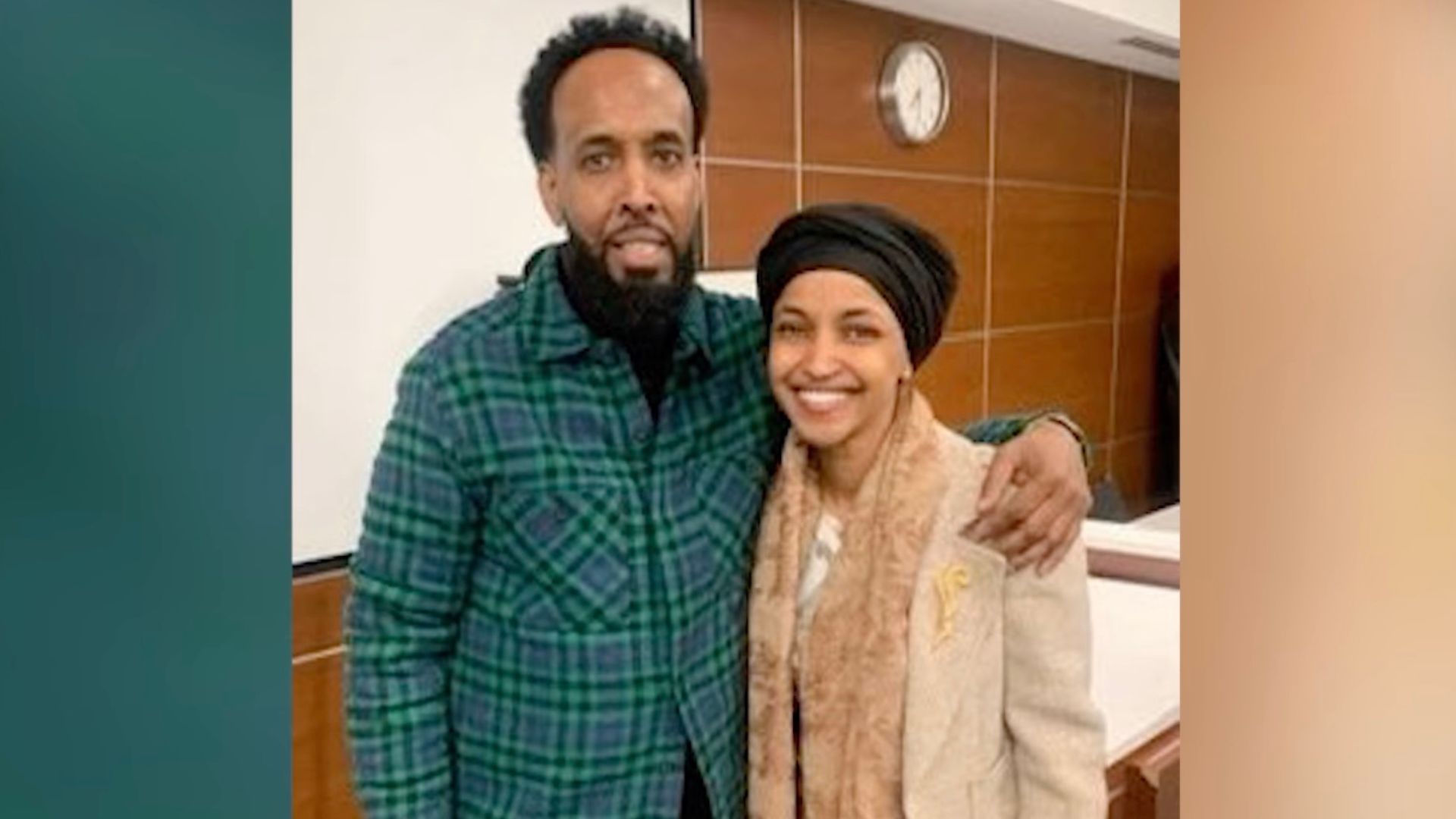
Convicted Somali fraudster avoids jail in Minnesota’s largest-ever Medicaid scam
When a fraud case this large lands in Minnesota courts, you begin to grasp just how much money moves through public programs without enough eyes on the details. The personal care assistance program, meant to help people with disabilities live independently at home, became the target of an $11 million theft. State officials call it the biggest Medicaid scam in Minnesota history. One of the men involved just pleaded guilty, yet he walks away without serving jail time. The story pulls back the curtain on how a small group exploited the system, with help from lax oversight and a history of light consequences. You see the patterns repeat across similar cases here, where huge sums vanish and accountability feels distant.
The scope of the $11 million Medicaid theft
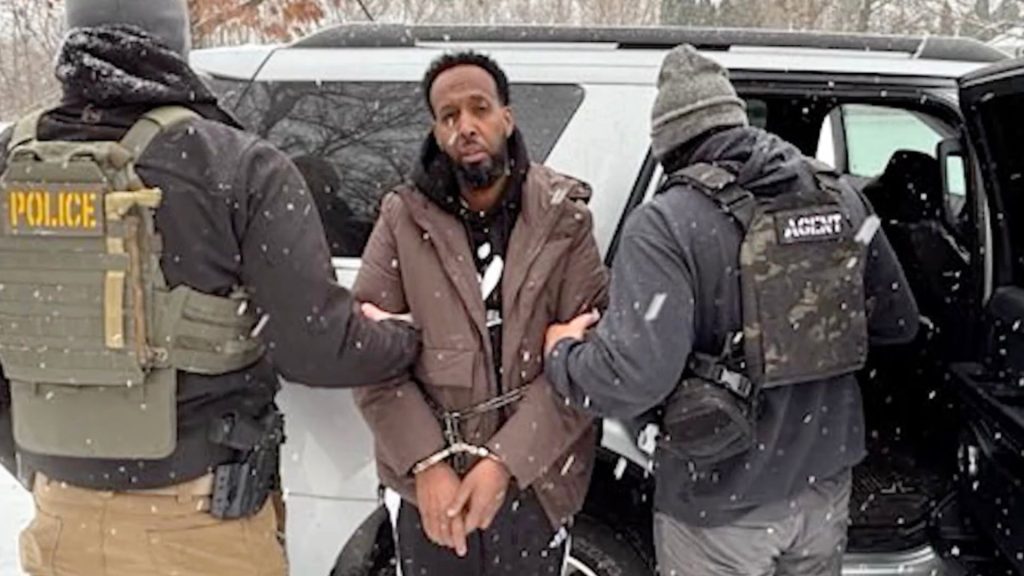
You look at the numbers and realize the scale hits hard. Three men allegedly funneled $11 million from Minnesota’s personal care assistance program between roughly 2021 and 2023. They set up Prestige Health, a company based in northeast Minneapolis that claimed to deliver in-home care services to disabled residents. In reality, much of the billing was inflated or fake. The state paid out for hours of care that never happened at the levels claimed. Ibrahim himself took home more than $500,000 while the operation ran. This was not a one-off mistake. It was a coordinated effort that drained funds meant for real patient support.
The case stands out even in a state already wrestling with fraud in multiple aid programs. Personal care assistance sits on a list of 14 high-risk areas flagged by officials last year for potential billing problems. Taxpayers covered the losses while the money flowed out. The scheme operated quietly inside shared office space packed with other questionable healthcare outfits. You start to see why investigators label this the largest Medicaid fraud the state has ever seen.
Said Awil Ibrahim and his place in the scheme
You meet Ibrahim through court records as a 26-year-old Minneapolis man and U.S. citizen who presented himself as the sole owner of Prestige Health. He handled the reimbursement claims sent to the Department of Human Services. Prosecutors say he worked directly with another man to overbill for care hours, exaggerating how much time staff actually spent with patients. The pair kept the operation running for years despite red flags. Ibrahim admitted his role when he entered the guilty plea on May 1 in Hennepin County District Court. He acknowledged the fraud and the partnership that made it possible.
His cooperation became part of the deal. Ibrahim agreed to help prosecutors go after the alleged ringleader still at large. That step kept him out of immediate trouble. You watch how someone who helped execute the fraud now positions himself as an ally to the state. The court accepted his plea after he confirmed the facts, including the fake billing and the money he personally received.
How the overbilling actually worked
You dig into the mechanics and see a straightforward but effective method. The men filed claims for personal care services that either did not occur or were padded with extra hours. Staff time was routinely inflated on the paperwork submitted to Medicaid. Prestige Health operated out of a modest space in northeast Minneapolis that doubled as a hub for several questionable businesses. None of it looked like a legitimate care provider on close inspection. The state kept paying because the claims came in under approved waivers for independent living support.
Ibrahim took charge of many of the filings himself. He and his partner created the appearance of legitimate activity while the dollars piled up. Over two years the state lost $2.2 million directly tied to Ibrahim’s actions in the larger $11 million total. The scheme relied on the program’s trust in provider documentation. Once the claims went through, the money moved fast. You see why officials later called this one of the most damaging cases they have pursued.
The text messages that laid it bare
You read the exchanges and they leave little to the imagination. In 2022 Said texted Ibrahim, “We gonna party bro. Insha Allah.” Ibrahim fired back plans to bill $50,000 in the next pay period. He added that he would overbill the hours and “do a hit and run.” Those words captured the casual confidence behind the fraud. Prosecutors used the messages to show intent and coordination. The pair treated the state funds like easy money waiting to be claimed.
The texts surfaced in the criminal complaint and helped build the case against both men. They revealed not just the mechanics but the attitude driving the scheme. You get a sense of how openly they discussed padding claims while the state continued to cut checks. Those conversations became key evidence when charges were filed in 2023.
Abdirashid Ismail Said and the earlier conviction
You trace Said’s record and find this was not his first run-in with Medicaid fraud. He had already been convicted once in 2021 on similar charges. Back then he received probation, 100 hours of community service, and no jail time. The court did not even issue a warrant for his arrest during that case. Said chose to post $150,000 unconditional bail in the current matter, which let him keep his passport and avoid travel restrictions. Prosecutors had warned he posed a serious flight risk because of family ties overseas.
Despite the prior conviction, Said allegedly stayed involved in running the new operation through Ibrahim. He was the one prosecutors describe as the mastermind. The earlier leniency appears to have emboldened the repeat behavior. You see the pattern: a light sentence followed by another, larger scheme.
The mastermind’s flight and the missing co-defendant
You follow the timeline and watch the case unravel in real time. Said skipped a pretrial hearing in April and left the country before his jury trial could start. He had posted the unconditional bail months earlier and attended hearings faithfully until the final days. Authorities believe he used family connections in Kenya to disappear. Another co-defendant was never even detained and is also thought to have fled abroad early in the investigation.
Ibrahim became the only one of the three still in the United States. His guilty plea leaves him as the lone defendant available for sentencing. The state now relies on his promised cooperation to track down Said. You see how the system’s earlier decisions on bail helped create the opening for escape.
The plea deal that avoided prison time
You examine the agreement and notice how much was traded away. Ibrahim pleaded guilty to two counts of aiding and abetting theft by swindle over $35,000. In return, prosecutors dropped a racketeering charge and two additional theft counts. He will serve five years of supervised probation instead of jail. His 150-day jail sentence is stayed as long as he follows probation rules and sticks to a restitution payment plan. The court has not yet set the exact schedule for the $2.2 million he owes jointly.
Ibrahim left the courtroom on his own recognizance after posting unconditional bail. Judge Juan Hoyos reminded him to return for future dates. The deal hinges on his continued help pursuing Said. You see the state choosing cooperation over immediate punishment in hopes of recovering money and closing the case.
What the outcome says about enforcement
You step back and consider the broader picture in Minnesota. This case joins a string of fraud investigations that have exposed weaknesses in how the state oversees aid programs. The same judge who handled Said’s earlier probation case presided here. Light consequences in the first round did not deter the second, larger fraud. Ibrahim’s sentence keeps him free while he repays a fraction of what was taken. The $11 million loss remains mostly unrecovered for now.
Taxpayers footed the bill for services that never reached the people who needed them. The plea deal keeps the case moving, but the mastermind remains out of reach. You watch these outcomes and wonder how many more similar schemes are still running undetected. The system caught this one, yet the final price tag for everyone else stays high.

Asher was raised in the woods and on the water, and it shows. He’s logged more hours behind a rifle and under a heavy pack than most men twice his age.