Nine facts about American pit bull terriers many people don’t know
American pit bull terriers inspire fierce debate, yet much of the conversation overlooks who these dogs actually are. Behind the headlines is a working-breed companion with a long American history, a defined standard, and a personality that often surprises anyone willing to look past the stereotypes. Here are nine lesser known facts that show how different the American Pit Bull Terrier is from its reputation.
1. “Pit bull” is not one single breed
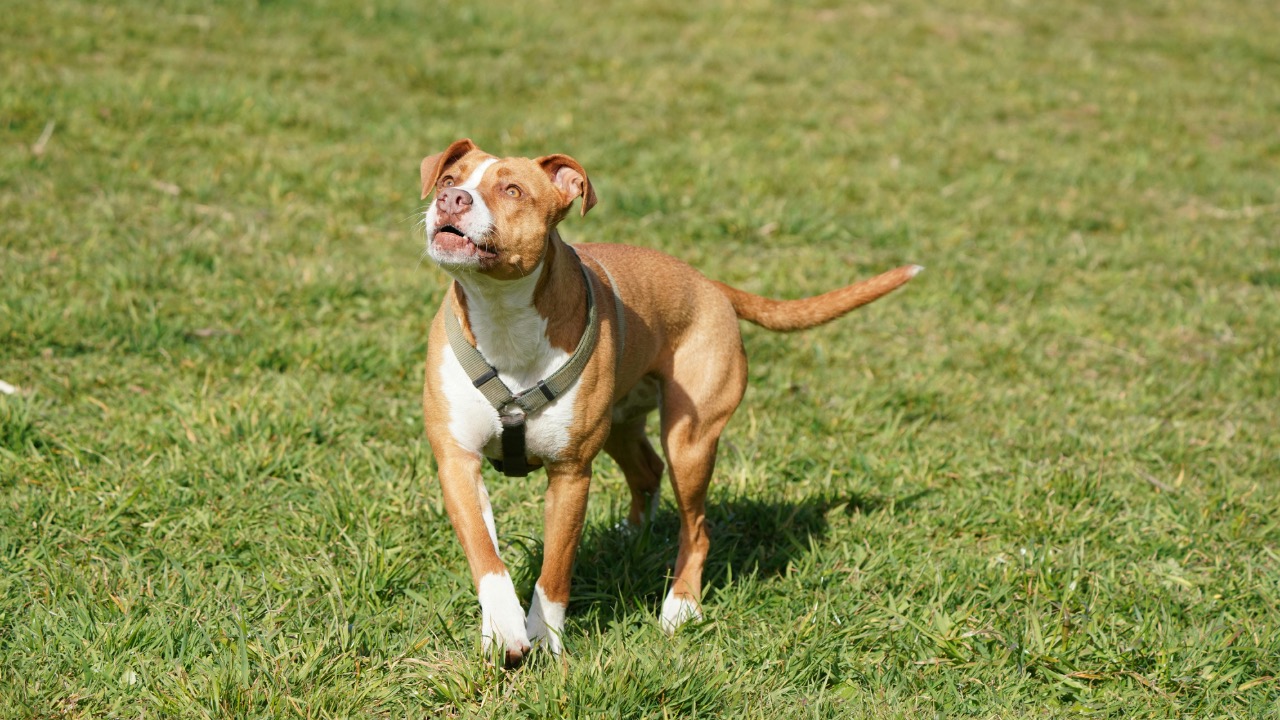
Public arguments about pit bulls often treat them as one uniform type, but the term is really a loose label that covers several distinct dogs. Breed registries and behavior experts point out that American Pit Bull Terriers, American Staffordshire Terriers and related mixes are all folded into the same catchall category in news reports and shelter records, even though each has its own history and standard. That confusion makes it hard to talk honestly about risk, because bite statistics and temperament stories often combine multiple breeds and unverified mixes under one name.
When a dog is identified only as a generic pit bull, even professionals can be guessing based on head shape and body type instead of pedigree. Visual identification has been shown to be unreliable, which means many animals labeled pit bull are likely other mixes entirely. Resources that focus specifically on the American Pit Bull treat that dog as a defined breed, not a vague category, and that distinction matters for anyone trying to understand behavior or make policy.
2. The American Pit Bull Terrier has a formal standard
Another overlooked fact is that the American Pit Bull Terrier is a fully recognized purebred with a detailed written standard. The United Kennel Club describes a medium sized, muscular dog with a broad head, strong jaw, and agile build that was developed as a versatile working companion. That standard emphasizes balance rather than sheer bulk and specifically calls for a confident, eager to please temperament that is neither shy nor human aggressive.
Breed clubs and registries track pedigrees, conformation and performance titles for this dog just as they do for retrievers or herding breeds. The official description of the American Pit Bull highlights traits like athleticism, intelligence and stability around people, which clashes with the idea that the breed is defined by unpredictability. Recognizing that there is a formal standard, and that responsible breeders select for it, helps separate the true APBT from backyard-bred dogs that share only a blocky head and a label.
3. They were once America’s “original dog”
Long before they were controversial, pit bull type dogs were fixtures of American life. Historical accounts describe them on farms, in small towns and in city neighborhoods as multipurpose helpers that guarded property, pulled carts and played with children. Advocates who study breed history describe Pit Bulls as “America’s Original Dog Pitbulls ( Pit Bulls )” that appeared on homesteads, battlefields and in living rooms as family companions, a role that sits awkwardly beside their current image as urban menaces.
Breed historians trace the American homesteads story back to dogs brought from England, where Bulldogs were crossed with Terriers for bull baiting and later adapted as all purpose workers. Over time in the United States, many of these dogs shifted from blood sports to farm chores and family life. That long record of close contact with people, including children, helps explain why modern temperament testing often finds strong human sociability despite the breed’s hard use by criminals and irresponsible owners.
4. Presidents and icons relied on them
One of the most surprising details for many readers is that American leaders once chose pit bull type dogs to represent them. Historical pet records show that both President Teddy Roosevelt and President Woodrow Wilson owned Pit Bull terriers, at a time when these dogs were seen as steady, patriotic companions rather than liabilities. That presidential connection undercuts the idea that pit bull ownership has always been fringe or reckless.
Cultural history also links pit bull type dogs to other American icons, from advertising mascots to military posters. Advocates point out that Pit Bulls were used as symbols for the US Army and that figures like Hellen Keller had a Pitbull in their homes, which signals how trusted these dogs once were as ambassadors of courage and loyalty. Modern education campaigns cite these Pit Bull Facts to remind the public that the breed’s story includes service and companionship at the highest levels of American life, not only sensational crime reports.
5. Their temperament is people focused and highly trainable
Contrary to the stereotype of a mindless guard dog, behavior specialists describe pit bull type dogs as intensely people oriented. Veterinary behavior sources emphasize that these dogs are often eager to learn new commands, quick to engage in training sessions and deeply motivated by human attention. That combination of intelligence and social drive can produce a powerful working partner in sports like agility or obedience when owners use modern, reward based methods.
Experts who work closely with these dogs stress that they are incredibly loyal to their families and tend to form a strong bond with their primary caregivers. When that attachment is shaped with structure and positive reinforcement, the result is a dog that checks in frequently, looks to humans for guidance and thrives on shared activity rather than independent roaming. Descriptions of Pitbull temperament highlight that this trainability and focus on people are core features, not happy accidents.

Leo’s been tracking game and tuning gear since he could stand upright. He’s sharp, driven, and knows how to keep things running when conditions turn.