Iran’s next move after possible U.S. military action could be more dangerous than past responses
The United States and Iran are again facing a moment when a single strike could redraw the region’s red lines. What makes this standoff different is not only the scale of U.S. military preparations but also evidence that key Iranian power brokers now see past patterns of limited retaliation as inadequate. If Washington moves from threats to actual military action, Iran’s next move is likely to be broader, riskier and less predictable than the calibrated responses of previous crises.
Instead of a short exchange of missiles or a symbolic hit on a U.S. base, Iranian decision makers are signaling that they are prepared to test the outer limits of escalation, from the nuclear file to regional proxy networks. That shift, combined with President Donald Trump’s maximalist demands and a rapidly thickening U.S. military footprint, is what makes the coming days more dangerous than earlier confrontations.
From pressure campaign to military buildup
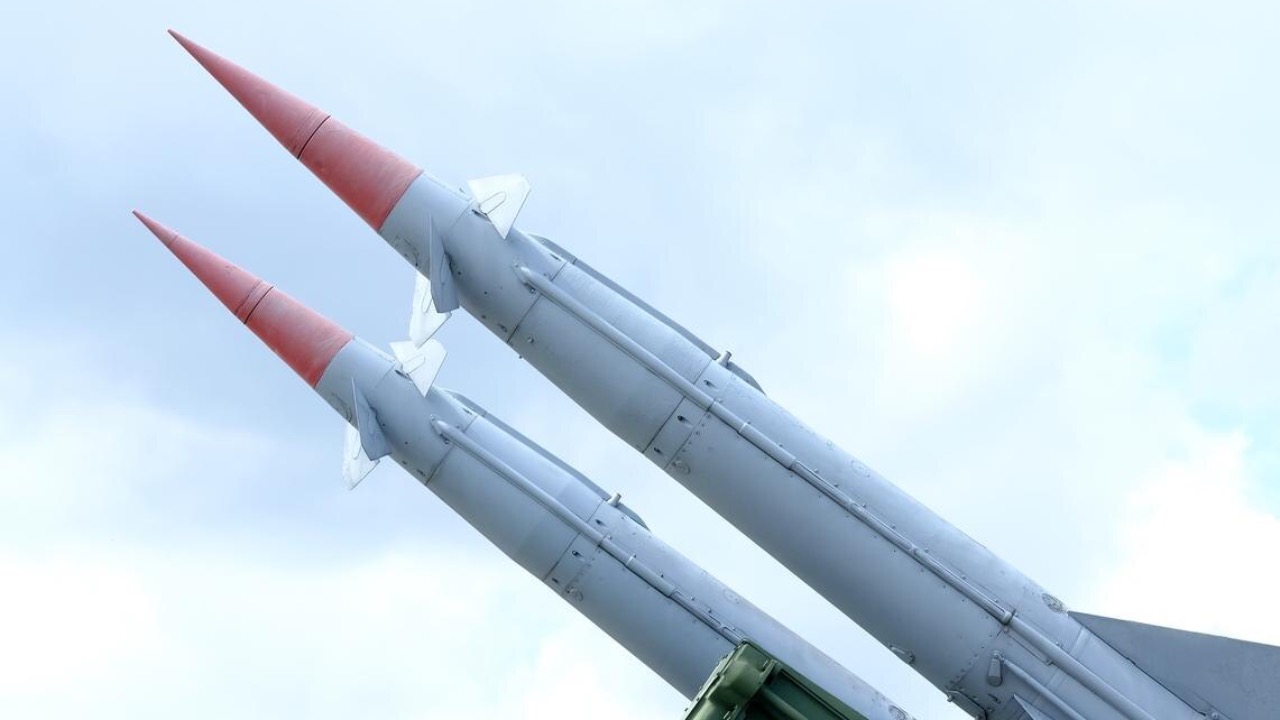
Washington has moved from rhetorical pressure to a concrete show of force across the region, a shift that narrows the space for miscalculation. Starting in late January, the United States began a significant military buildup in the Middle East, sending thousands of additional troops, an aircraft carrier and other assets into an already crowded theater. Reporting on the deployment describes new forces flowing into bases in the Gulf, including facilities in Qatar, as part of a posture designed to both deter Iran and enable rapid strikes if ordered.
Diplomats say this surge followed a series of threats from Trump that included explicit warnings of military action if Iran did not accept sweeping limits on its nuclear and regional activities. One account of those Trump demands notes that analysts such as Ali Vaez view the total package as almost impossible for Tehran to accept, even if Iranian leaders might show some flexibility on individual points. That combination of maximalist U.S. goals and a muscular military posture creates a classic pressure cooker, in which each side believes it must act decisively before the other locks in a new status quo.
Iran’s leadership recalibrates its red lines
On the Iranian side, recent assessments suggest a profound shift in how the regime thinks about deterrence and retaliation. An assessment of Iranian policymakers’ thinking indicates that some influential figures now believe Iran must be ready to escalate more dramatically if the United States attacks Iran directly. According to that analysis, these Iranian actors are no longer convinced that the limited, carefully signaled retaliatory strikes used in past crises are enough to deter Washington from hitting high value targets inside Iran.
A related report on the same internal debate says regime members have concluded that narrow, tit for tat responses by Iranian forces can no longer deter the United States from striking Iranian territory. Instead, they are reportedly weighing options that would raise the costs for Washington and its partners across multiple fronts at once, even at the risk of a broader war. That recalibration is what makes the next Iranian move potentially more dangerous than the limited missile salvos and proxy attacks that followed earlier confrontations.
Signals from the battlefield and the Gulf
Iran is already testing the edges of this new approach at sea and in the gray zone. An Iran Update on recent military activity describes two probing operations by Iranian units against the US Navy in the Persian Gulf, maneuvers that appeared designed to test American rules of engagement and gather intelligence on U.S. responses. These incidents fit a pattern in which Iran uses the crowded waters of the Persian Gulf to send calibrated warnings while avoiding direct hits that would force an immediate U.S. counterstrike.
At the same time, the broader regional environment is becoming more combustible. Analysts writing on the potential consequences of a war with Iran argue that the current mix of hardened rhetoric, expanded arsenals and overlapping conflicts significantly increases the likelihood that any clash would be region wide and difficult to contain. One detailed study warns that the dynamics now in play would make a new war very different from previous conflicts with Iran, with escalation ladders that could quickly involve multiple states and non state actors from the Levant to the Arabian Sea.
Domestic politics in Tehran and Washington
Both capitals are operating under intense domestic pressures that push leaders toward risk rather than restraint. In Tehran, President Masoud Pezeshkian has conditionally agreed to nuclear talks with the United States, the first such engagement since Trump returned to office, but he has framed them strictly within Iran’s national interests. Although Pezeshkian is presented as a relative moderate, he must navigate a system in which the Islamic Revolutionary Guard Corps and hard line clerics view concessions as existential threats, especially after recent protests and crackdowns inside Iran.
In Washington, Trump is in his second term and has little political incentive to appear restrained in the face of Iranian defiance. His public threats, combined with a list of demands that analysts like Vaez describe as unacceptable to Tehran, suggest a White House that sees pressure as the primary tool to force Iranian capitulation. One detailed account of these demands underscores how far apart the two sides remain on issues from uranium enrichment to Iran’s support for armed groups. That political distance raises the risk that both leaders will feel compelled to escalate rather than accept a compromise that could be portrayed as weakness at home.
Nuclear brinkmanship and the uranium question
The nuclear file sits at the center of this confrontation, and it is one area where Iran’s next move could be more destabilizing than in past cycles of tension. Negotiations set for Istanbul, and now shifted elsewhere, are focused on Iran’s uranium stockpile and enrichment capacity, which Western officials fear is edging closer to weapons relevant levels. Reporting on the planned agenda notes that the urgent nuclear core of the talks is how to cap or roll back Uranium enrichment while keeping Iran nominally within its obligations under the Non Proliferation Treaty.
Pezeshkian has publicly insisted that any new deal must respect Iran’s right to peaceful nuclear technology and be conducted within the framework of national interests, a line he repeated when he conditionally accepted talks with the United States. In his words, negotiations shall be a phrase that signals both openness and limits. If U.S. military action targets nuclear facilities, Iranian leaders could respond by accelerating enrichment, curtailing inspections or even threatening to leave the treaty framework, steps that would mark a more dangerous departure from past cycles of incremental nuclear escalation.
Proxy networks and the risk of a regional war
Beyond the nuclear file, Iran’s most potent tools are its regional allies and proxy forces, and here too the potential for a wider war is growing. Analysts who have examined the likely fallout of a U.S. Iran conflict argue that any serious clash would quickly spill across borders, with Iranian backed groups in Iraq, Syria, Lebanon and Yemen targeting U.S. forces and partners. One detailed study warns that the consequences of a war with Iran would be region wide and, in part because Iran has spent years building a network of armed partners precisely to respond asymmetrically to superior U.S. firepower.
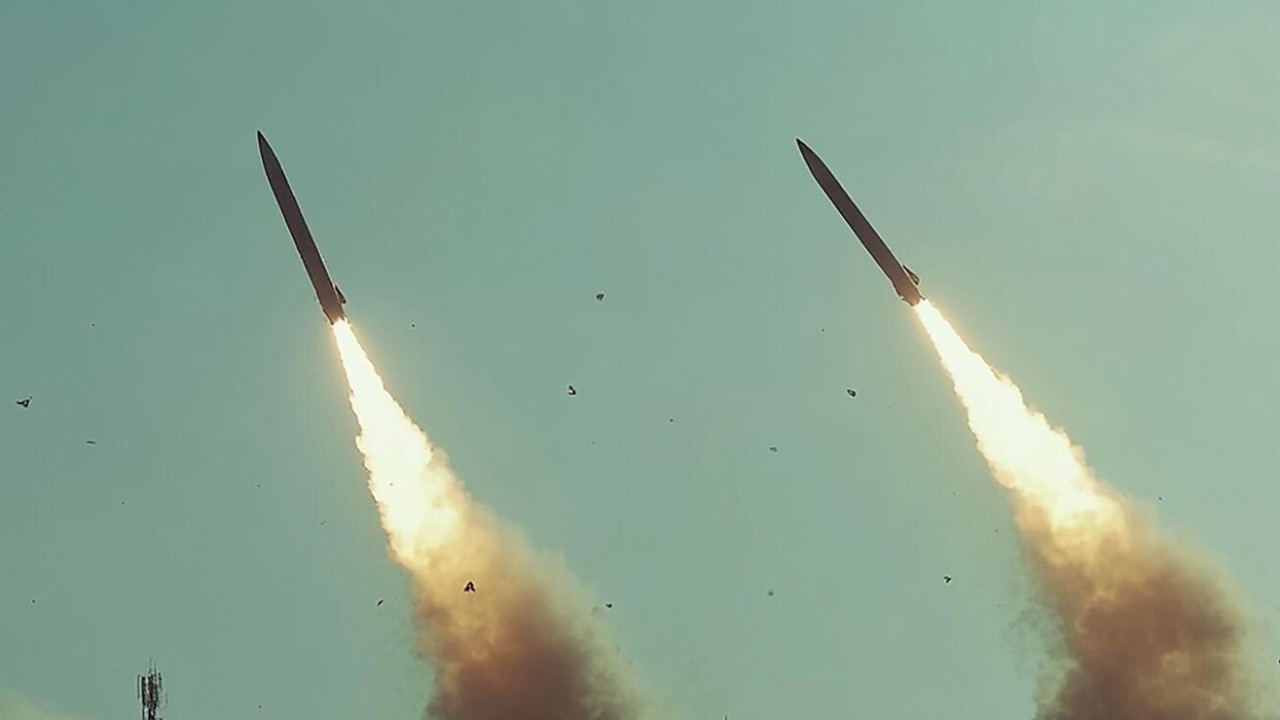
Iranian rhetoric is already pointing in that direction. A widely shared social media post, amplifying official warnings, declared that Iran WILL respond if the United States strikes its nuclear sites, framing the issue as a trigger for a broader regional confrontation involving Israel and various proxy forces. If Tehran follows through on that threat, the next phase of conflict would not be limited to direct U.S. Iran exchanges but would likely involve rocket fire on Israeli cities, attacks on Gulf energy infrastructure and strikes on U.S. bases from Iraq to the Red Sea.
Escalating incidents and hardened positions
Recent weeks have already seen a steady drumbeat of incidents that underscore how close the two sides are to open conflict. A media advisory from WASHINGTON noted that tensions between the United States and have continued to rise due to a series of military moves and confrontations at sea, as well as growing friction between Iran and Israel. That summary highlights how multiple flashpoints, from naval encounters to proxy clashes, are feeding into a single, volatile crisis.
At the same time, detailed reporting on the Iranian side describes how the regime has escalated hostilities and hardened its negotiating stance. One account notes that the Iranian leadership has authorized more aggressive actions, including the use of advanced drones and surveillance to track U.S. assets, while simultaneously instructing negotiators to resist U.S. demands at upcoming talks. That mix of military assertiveness and diplomatic rigidity suggests Tehran is preparing for both confrontation and bargaining, using escalation as leverage rather than as a last resort.
Oman’s mediation gamble and shifting venues
Against this backdrop, regional mediators are scrambling to keep diplomacy alive, with Oman once again emerging as a key channel. The decision by Washington and Tehran to shift their long anticipated meeting from Istanbul to Muscat is widely seen as a sign that both sides still value Omani mediation, which has a long history in U.S. Iran diplomacy. A more detailed analysis notes that the move to Muscat is not just logistical but symbolic, reflecting a desire to conduct sensitive talks in a venue associated with back channel breakthroughs rather than public grandstanding.
Those efforts are unfolding alongside other diplomatic tracks. One report describes how Iran and the United States had initially set talks for Istanbul, with the agenda centered on the nuclear program and regional de escalation, before the venue change. The same analysis of Istanbul and Muscat as venues underscores how geography and symbolism matter in this crisis, with each shift in location signaling subtle changes in leverage, trust and expectations.
High stakes talks in Oman and Doha
The most immediate test of whether diplomacy can outrun escalation will come in Oman, where U.S. and Iranian officials are converging for critical talks. According to one live account, U.S. envoys including Howard Witkoff and Jared Kushner have arrived in Doha, while Iran’s foreign minister Abbas Araghchi is traveling to Oman for talks scheduled early Friday. The same reporting notes that these discussions will unfold under the shadow of recent Iranian crackdowns on protesters, adding human rights tensions to an already crowded agenda.
Parallel to these moves, other diplomatic channels are trying to shape the terms of engagement. A detailed account of the planned nuclear talks notes that the U.S. has sent thousands of troops to the Middle East since Trump threatened Iran last month, and that current and former Iranian officials are deeply skeptical of U.S. intentions. That combination of military pressure and diplomatic outreach means the Oman talks will be less about building trust and more about managing a crisis that could otherwise slide quickly into open conflict.
Why the next move could be the most dangerous yet
All of these strands point to a sobering conclusion: if the United States carries out military strikes on Iranian territory, Tehran’s response is unlikely to follow the familiar script of limited, deniable retaliation. The latest assessments of Iranian thinking suggest that key regime figures now see a need to respond in ways that raise the cost for Washington across multiple domains at once, even if that heightens fears about a broader war. That could mean simultaneous moves on the nuclear front, in the Persian Gulf and through proxy networks, rather than a single, easily contained exchange.
At the same time, the regional and global context makes any such escalation harder to control. Analysts who have examined the likely fallout warn that the consequences of a war with Iran would be uncontainable, while U.S. military deployments, described in detail in accounts of the 2026 buildup in the Middle East, create more potential targets and flashpoints. With tensions already high, as summarized in advisories from WASHINGTON, the next move by either side will not just answer the last provocation, it will help determine whether this crisis remains a dangerous standoff or tips into the kind of conflict both say they want to avoid.

Asher was raised in the woods and on the water, and it shows. He’s logged more hours behind a rifle and under a heavy pack than most men twice his age.