
Fisherman Faces Up to 10 Years in Jail for Lying About Where He Caught Record 12-Pound Bass
A fishing record is usually the kind of moment anglers dream about — something that gets shared, celebrated, and remembered for years. But in one case that’s been making the rounds online, that kind of attention has taken a very different turn.
According to reports being discussed on Reddit, a fisherman is now facing serious legal consequences after allegedly lying about where he caught a record-setting 12-pound bass. What should have been a straightforward moment of recognition has instead turned into a case that’s drawing a lot of attention.
How the Situation Started
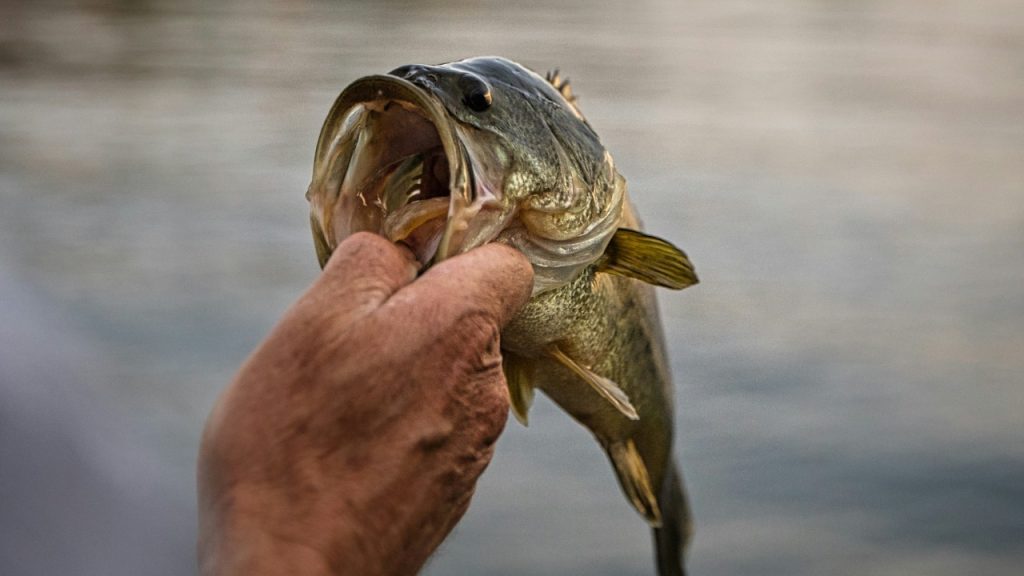
The fisherman reportedly claimed he caught the large bass in a specific location that would have qualified it for official record status. At first, everything appeared to check out, and the catch was being treated as legitimate.
But questions started to come up during the verification process. Details about the location and circumstances didn’t seem to line up, and that’s when investigators began looking closer at the claim.
Where Things Began to Unravel
As more information was reviewed, inconsistencies allegedly emerged between the reported catch location and what officials were able to confirm. That mismatch became the center of the issue.
According to the discussion, it wasn’t just a small error or confusion — it was enough to raise concerns about whether the record claim was accurate at all.
Why It Became a Legal Issue
What turned this from a disputed fishing claim into something more serious is the allegation that false information was knowingly provided.
In regulated fishing records, accuracy matters. Location, size, and conditions are all part of the verification process, and intentionally misleading any of those details can carry consequences beyond losing a record.
In this case, that reportedly escalated to potential legal charges.
The Reaction From the Fishing Community
Once the story spread, reactions were split. Some people focused on the seriousness of lying in a record-setting situation, saying it undermines trust in the entire system.
Others questioned whether the punishment being discussed is too extreme, especially over something that, on the surface, started as a fishing achievement rather than a criminal act.
Why This Story Is Getting Attention
Part of what makes this situation stand out is how unusual it is. Fishing records don’t typically turn into legal cases, and that contrast is what’s driving a lot of discussion.
It also taps into a broader conversation about credibility in outdoor records and how seriously those claims are taken when they involve official recognition.
The Bigger Takeaway
At its core, this isn’t just about one fish or one record. It’s about trust in a system that relies on honesty to validate achievements.
For many anglers, records only mean something if they’re real. And once that trust is questioned, the consequences can extend far beyond the moment the fish was caught.
Whether the case leads to the maximum penalty or not, it’s already become a reminder that in situations like this, details matter — sometimes more than the catch itself.

Leo’s been tracking game and tuning gear since he could stand upright. He’s sharp, driven, and knows how to keep things running when conditions turn.