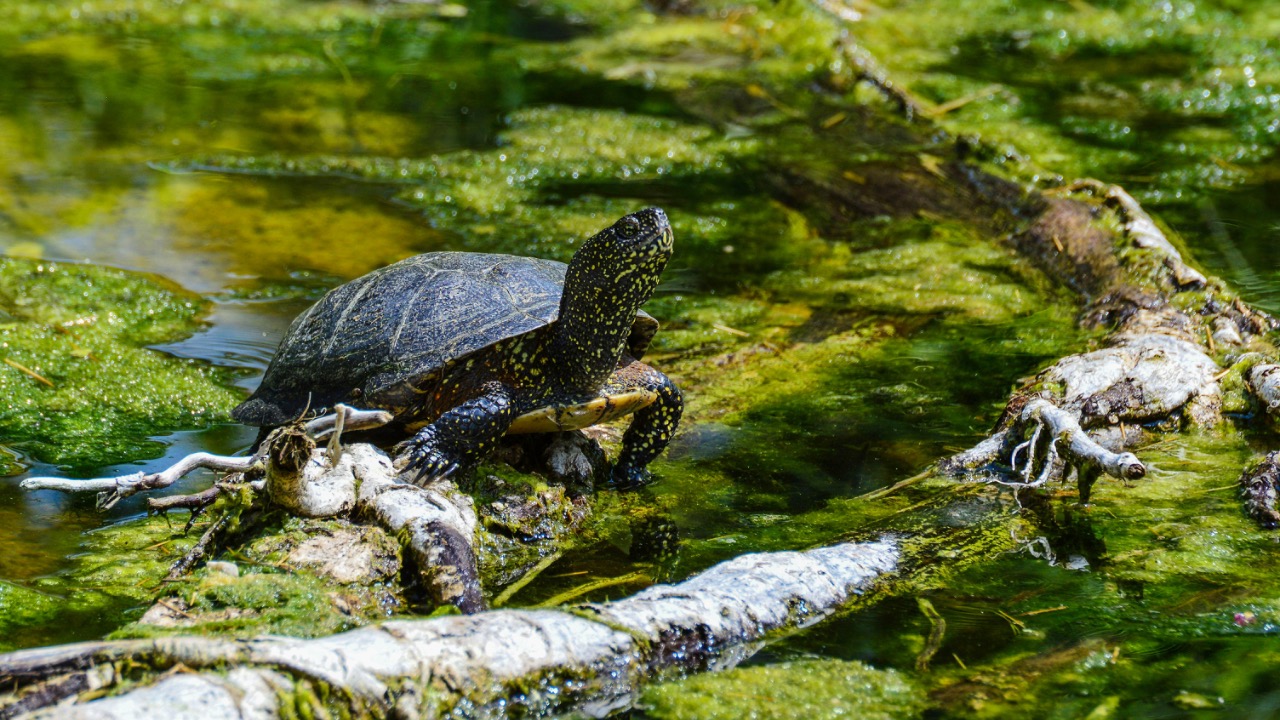
Freshwater wildlife faces accelerating extinction pressures worldwide
Rivers, lakes and wetlands are losing species at a pace that now rivals the worst crises on land and at sea, and the numbers are no longer abstract. Global assessments find that roughly a quarter of all animals that depend on freshwater are now threatened with extinction, a signal that the planet’s most life‑rich waters are under acute stress. The same datasets show that these declines are accelerating rather than stabilizing, driven by a tight knot of human pressures that reach from mountain headwaters to coastal deltas.
As I look across the latest research, the pattern is stark: freshwater biodiversity is collapsing fastest where development, pollution and climate disruption collide, and the damage is spilling into food security, public health and local economies. Scientists are now treating rivers and wetlands as an early warning system for the wider biosphere, arguing that if we cannot protect these confined, heavily used systems, our chances of stabilizing nature elsewhere are slim.
The new global alarm on freshwater species
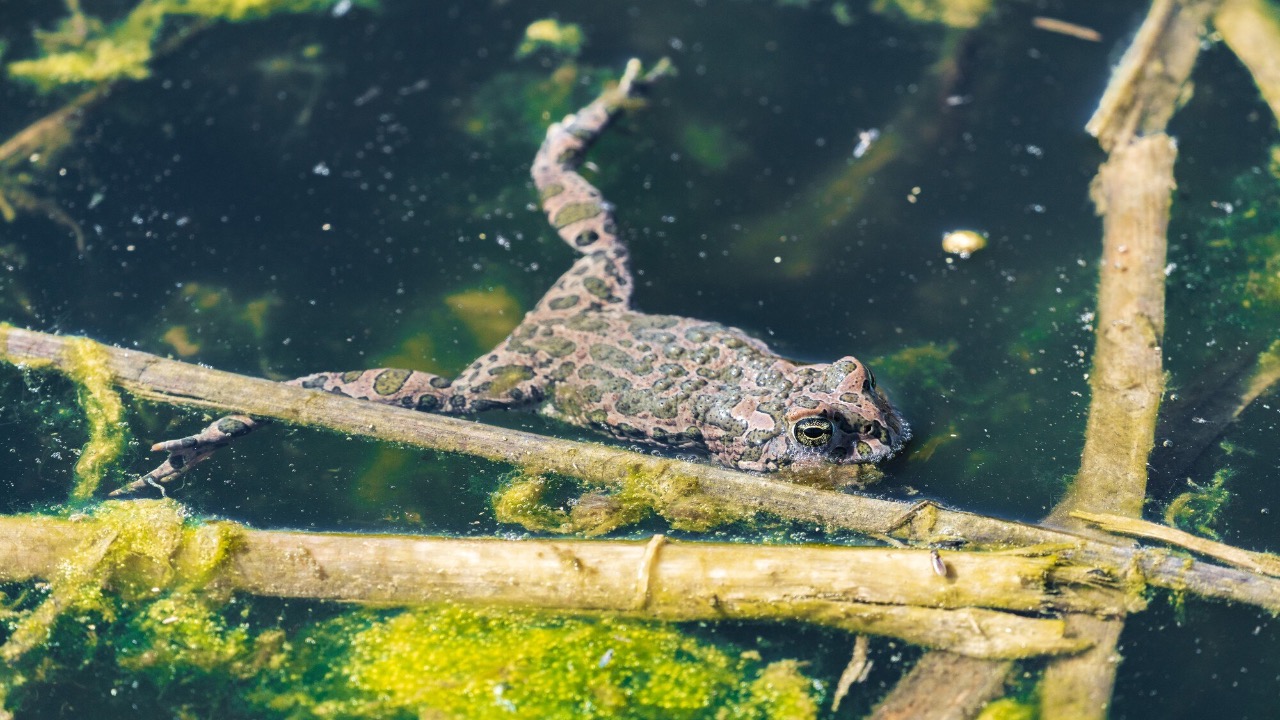
The clearest signal of how far things have slid comes from a series of coordinated extinction assessments that finally put freshwater life on the same analytical footing as terrestrial wildlife. A detailed global assessment of more than 23,000 species of freshwater fauna, led by the International Union for Conservation of Na, concluded that nearly a quarter of them now face a high risk of extinction. A companion analysis focused on freshwater habitats found that 24 percent of all animals that rely on these systems are threatened, a figure that has been echoed in multiple independent syntheses.
One recent briefing on global freshwater animals, framed as a Global Assessment Finds, underlines that this is not a niche problem affecting a few obscure invertebrates. The same pattern appears in a broader ecosystem review that reports nearly a quarter of freshwater animal species at risk as habitats deteriorate, with threats ranging from altered river flows to contamination from illegal gold mining, as documented in a separate Global analysis. Together, these assessments shift the conversation from isolated case studies to a systemic crisis.
Fish on the brink: a quarter of species at risk
Within that broader crisis, freshwater fish have emerged as a bellwether group, both because they are relatively well studied and because they underpin food systems for hundreds of millions of people. The first comprehensive global assessment of freshwater fish concluded that One Quarter of, with many already confined to shrinking fragments of their former ranges. A separate synthesis on freshwater biodiversity notes that these ecosystems provide services to billions of people, including impoverished and vulnerable communities, a point underscored in work on Freshwatersystems and their role in human well‑being.
Earlier assessments of threatened species, including one that found a Quarter of Freshwater at Risk of Extinction, a New Assessment Finds, have already highlighted dams and water extraction as major drivers of decline. The newer fish‑focused briefing reinforces that picture, tying extinction risk to a combination of habitat fragmentation, overexploitation and climate‑driven shifts in river temperature and flow. When I line these findings up, the message is blunt: the fish that anchor inland fisheries are being squeezed from every direction, and the losses are starting to erode both cultural traditions and basic nutrition in river‑dependent regions.
Beyond fish: crabs, insects and the overlooked majority
Fish may grab the headlines, but the most acute risks often sit with less visible groups that rarely feature in conservation campaigns. A landmark assessment framed as One Quarter of reports that 24 percent of all freshwater animal species are threatened, cutting across crustaceans, mollusks, insects and amphibians. Another synthesis from a major natural history institution, introduced as New research, stresses that damage to rivers, lakes and wetlands is pushing these animals to the edge, with 24 percent of species assessed at risk of extinction.
Within that broad tally, some lineages are in even deeper trouble. An update to the IUCN Red List notes that Crabs, crayfishes and shrimps are at the highest risk of extinction among the groups studied, with 30 percent threatened, followed by 26 percent of freshwater mammals and 24 percent of amphibians. A separate news analysis points out that Previous conservation work has focused on land animals including mammals, birds and reptiles, leaving many freshwater specialists under‑protected. When I weigh these numbers, it is clear that the crisis is not confined to charismatic fish, it is hollowing out entire food webs from the bottom up.
What is driving freshwater extinctions
Behind the statistics sits a dense web of pressures that often act together rather than in isolation. A global synthesis of freshwater fish extinctions identifies Natural system modification, pollution and invasive species as the primary extinction drivers, with habitat loss and degradation repeatedly emerging as the dominant factor. That same research, described as a poll of extinction patterns, emphasizes that these drivers are synergistic, meaning that a river already fragmented by dams is far more vulnerable to pollution pulses or the arrival of non‑native predators.
Other assessments echo this multi‑threat picture. A briefing on global freshwater species notes that nearly a quarter of freshwater animal species are at risk as habitats deteriorate, citing altered flows, sand mining and contamination from illegal gold mining in its Nearly quarter summary. Another report on failing ecosystems stresses that Most species do not have just one threat putting them at risk of extinction, but many threats acting together, as Sayer, a study co‑author, puts it. From where I sit, that is the crucial insight: there is no single lever to pull, because the crisis is the cumulative outcome of how we farm, dam, mine and warm entire catchments.
Climate change as a force multiplier
Climate disruption is now amplifying almost every other stressor in freshwater systems, turning chronic pressures into acute shocks. Research on global freshwater fish warns that climate change is rapidly altering rivers and lakes, raising temperatures, shifting flood pulses and changing oxygen levels in ways that many species cannot tolerate. One recent analysis framed around harsh new climate challenges notes that Share of species exposed to extreme heat events is rising as Climate change rapidly accelerates, particularly in already stressed basins.
These shifts interact with existing fragmentation and pollution in ways that are hard to reverse. Warmer water can boost algal blooms fed by nutrient runoff, while altered flood regimes can disconnect fish from spawning grounds that were already hemmed in by levees and dams. A broader review of freshwater biodiversity loss points out that these ecosystems provide services to billions of people, including impoverished and vulnerable communities, as highlighted in work by Lynch and colleagues, which means climate‑driven losses are not just a wildlife story but a direct hit to human resilience. When I connect these dots, climate change looks less like a separate driver and more like a force multiplier that makes every existing mistake more costly.
Regional flashpoints: Western Ghats and beyond
The global averages hide hotspots where freshwater life is disappearing at extraordinary rates. One recent study of extinction risk highlights the Western Ghats in India as one of four regions worldwide where freshwater species are under especially intense pressure. That work found that at least 4,294 species out of 23,496 freshwater animals on the IUCN Red List are at high risk of extinction, underscoring how concentrated the danger has become in certain landscapes. A parallel news piece notes that at least 4,294 species are considered at a high risk, according to a statement from the IUCN, reinforcing that this is not a marginal subset.
Other regions show similar patterns of concentrated risk. A video explainer on the crisis notes that nearly a quarter of the world’s freshwater species are at risk of extinction, according to a new study, a point summarized in a Jan segment that walks through regional breakdowns. Another broadcast report, drawing on the same underlying assessment, stresses that a detailed extinction assessment of more than 23,000 species by the International Union for Conservation of Na found especially high risks in river basins with rapid land‑use change. When I look at these maps, what stands out is that the worst hotspots are often in countries that have contributed least to global emissions but now face the steepest biodiversity and livelihood losses.
Migratory fish and the dam problem
Among all freshwater species, migratory fish are some of the most dramatically affected by human infrastructure. A major analysis of river‑running species reports that Populations of migratory freshwater fish have fallen by 76 per cent since 1970, with large species such as catfish and sturgeon hit especially hard. The same report ties these declines directly to the proliferation of dams and other infrastructure that block migration routes, alter sediment flows and change seasonal water levels that fish rely on to cue their movements.
Newer assessments of freshwater fish extinction risk reinforce that picture. The first comprehensive global assessment of freshwater fish, summarized in a One Quarter of, notes that dams and water extraction are among the top threats, echoing earlier findings that Dams and water withdrawals came in second only to climate change in driving risk. A separate ecosystem briefing, titled Quarter of Freshwater, adds that some monitored freshwater populations have plummeted by 84 percent since 1970, a collapse that tracks closely with the global dam‑building boom. From my vantage point, any serious attempt to slow freshwater extinctions will have to grapple with how we generate hydropower, irrigate crops and manage flood risk without turning rivers into biological dead ends.
Why freshwater loss hits people hardest
It is tempting to treat freshwater extinctions as a specialist concern, but the science makes clear that these losses cut directly into human security. A broad review of global freshwater biodiversity loss notes that these ecosystems provide services to billions of people, including drinking water, fisheries, flood regulation and cultural values, particularly for impoverished and vulnerable communities, as detailed in work on Lynch and colleagues. When crustaceans, mollusks and fish disappear, the impacts ripple through food chains and into household economies, especially in regions where river fish are a primary source of protein.
Recent news coverage of the global assessment has stressed that at least 4,294 freshwater species are considered at high risk, according to the IUCN, and that many of these are key to local diets and livelihoods. Another synthesis, framed as Quarter of Freshwater, notes that monitored freshwater vertebrate populations have plummeted by 84 percent since 1970, a decline that mirrors the erosion of ecosystem services. When I connect these findings to the broader climate and food security debates, it is hard to avoid the conclusion that safeguarding freshwater biodiversity is as much a development priority as it is a conservation goal.
Can we bend the curve for rivers and wetlands
For all the grim numbers, the research record also contains examples of recovery when pressures are reduced and habitats reconnected. A global review of freshwater biodiversity trajectories argues that it is still possible to bend the curve of loss, but only if conservation moves from isolated protected areas to whole‑basin management that tackles pollution, flow alteration and overharvest together, as outlined in work on Freshwater biodiversity loss. That means rethinking how we design dams, restoring floodplains, tightening controls on agricultural runoff and giving rivers legal and institutional standing in water allocation decisions.

Leo’s been tracking game and tuning gear since he could stand upright. He’s sharp, driven, and knows how to keep things running when conditions turn.