Glock Switch Crackdown Intensifies: Could Your Handgun Be Next on the Ban List?
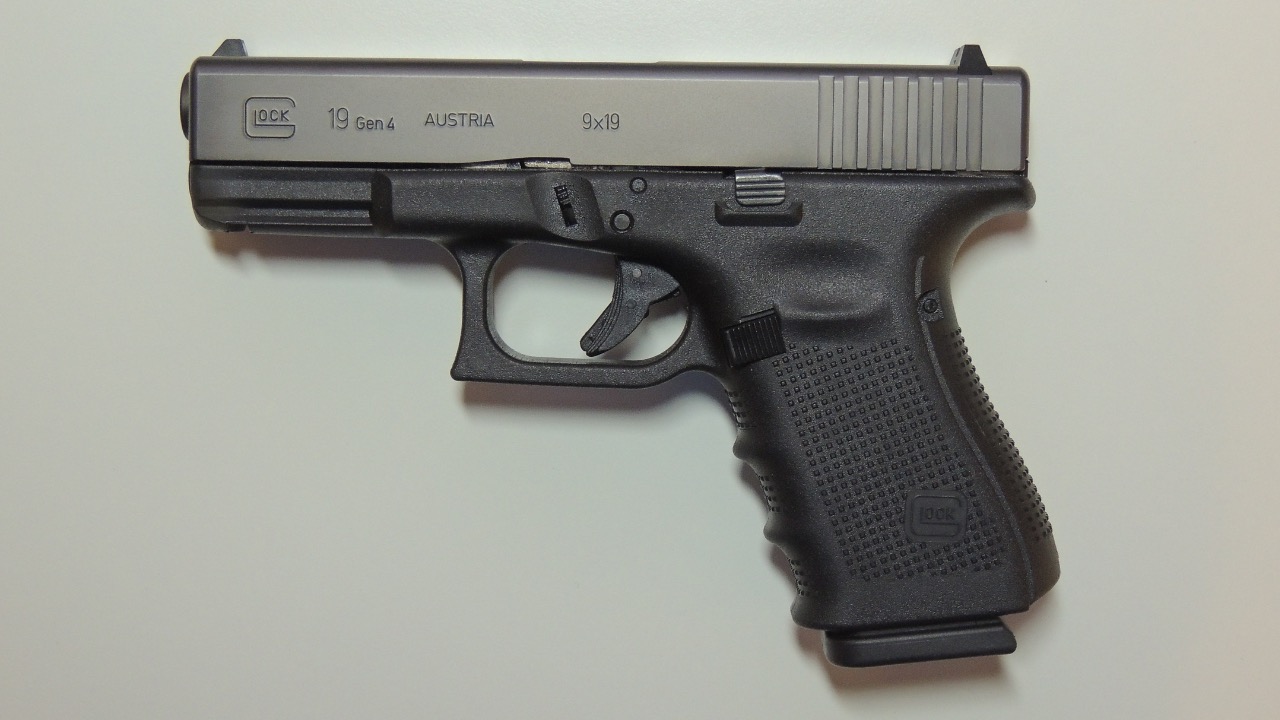
Handgun owners across the country have watched federal agents and state lawmakers zero in on small conversion devices that turn ordinary pistols into rapid-fire weapons. These attachments, widely known as Glock switches, remain illegal under long-standing federal rules that treat them as machine guns. Yet seizures have climbed sharply in recent years, with law enforcement agencies reporting thousands recovered at crime scenes and in raids. The push to stamp them out raises practical questions for anyone who keeps a semiautomatic handgun at home or at the range. While the devices themselves sit at the center of the enforcement effort, some jurisdictions have started looking harder at the pistols designed to accept them, leaving owners to wonder how far the rules might stretch.
The surge in conversion devices
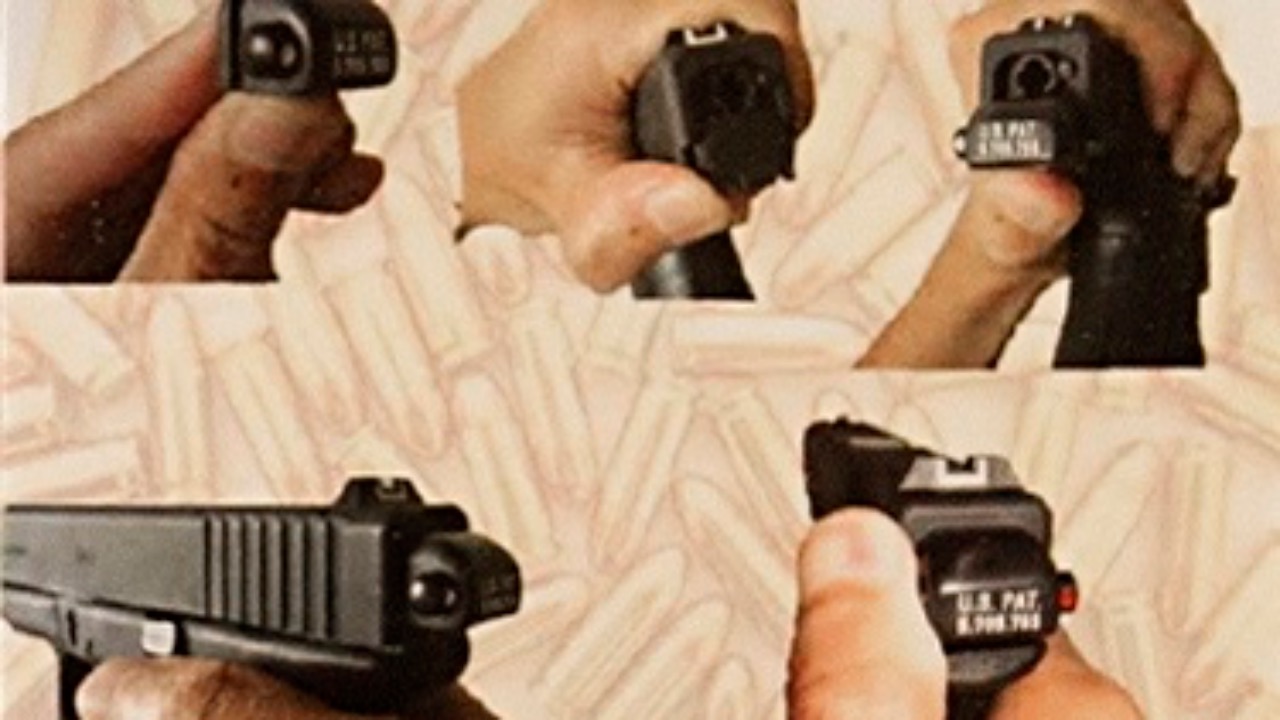
Law enforcement agencies have documented a steep rise in the number of machine-gun conversion devices recovered nationwide. Figures from the Bureau of Alcohol, Tobacco, Firearms and Explosives show recoveries jumping from a few hundred in the late 2010s to well over five thousand in a single recent year. Officers in cities from Philadelphia to North Texas describe finding these items during routine traffic stops and larger investigations. Many come from overseas shipments or home 3D printers, making them cheap and easy to obtain. The small size, roughly that of a quarter, lets people hide them in pockets or glove boxes.
This trend coincides with more high-volume gunfire at crime scenes. Where investigators once counted a dozen shell casings, they now often find dozens or even hundreds after a single incident. The pattern has drawn attention because the devices attach quickly to popular models and dramatically increase a pistol’s rate of fire.
Federal agents expand their operations
Federal prosecutors and ATF teams have launched targeted initiatives to interrupt the flow of these devices. In places like Birmingham and Irving, authorities coordinated arrests of people accused of buying, selling, or installing them. Operations often involve undercover purchases and monitoring of online marketplaces. Agents emphasize that possession alone carries serious penalties, including up to ten years in federal prison.
Local police departments receive training on spotting the devices during street encounters. The goal is straightforward: get the hardware off the street before it appears in another shooting. Public tips lines and rewards for information have become part of the strategy in several regions. The message from investigators stays consistent. These items have no legitimate place outside of tightly regulated government use.
States pass their own restrictions
More than two dozen states have enacted laws that specifically prohibit possession or sale of the conversion devices. Alabama, New Mexico, New Jersey, Virginia, and Mississippi moved forward with bans in recent legislative sessions. In each case lawmakers cited the public-safety risk posed by turning handguns into fully automatic weapons. Some bills also increase penalties for anyone caught manufacturing or distributing the parts.
The state-level action reflects frustration with the pace of federal enforcement alone. Governors from both parties have signed the measures, signaling broad agreement that the devices belong outside civilian hands. Ongoing debates in other capitals suggest the list of states with similar rules could grow.
Glock responds with design changes
The manufacturer announced in late 2025 that it would phase out certain pistol lines and introduce updated models featuring a short steel rail at the rear. The modification aims to block the devices from engaging the trigger mechanism. The shift followed pressure from cities and states that had highlighted the ease of conversion on earlier designs.
Owners of existing pistols notice no immediate change to their current firearms. The new generation simply makes future attachments more difficult. Industry observers see the move as an attempt to address liability concerns while keeping the core product line viable in a tightening regulatory environment.
California targets sales of certain models
Starting in July 2026, California will prohibit licensed dealers from selling semiautomatic handguns that can be readily modified with conversion devices. The measure focuses on models using a cruciform trigger bar design, which includes many popular Glock variants. Private transfers and existing ownership stay unaffected.
Supporters described the law as a direct response to the volume of modified pistols appearing in street violence. Opponents argue it places an undue burden on law-abiding buyers. The practical effect remains limited to new retail transactions within the state. Similar proposals have surfaced elsewhere, though outcomes vary by legislature.
Legal risks for everyday owners
Federal law draws a clear line: the switch itself counts as a machine gun, even if it sits unused in a drawer. Courts have upheld convictions based solely on possession. Defense attorneys note that ignorance offers no shield once authorities make a case.
Most gun owners never encounter these devices. Still, the elevated enforcement climate means routine traffic stops or home searches can lead to unexpected charges if one turns up. Legal experts advise treating any unfamiliar firearm part with caution and consulting local statutes before making modifications of any kind.
Devices reach criminals through multiple channels
Investigators trace many switches to overseas sellers who ship them disguised in small packages. Domestic producers use 3D printers to create copies at low cost. Social media and private messaging apps sometimes serve as marketplaces, though platforms have increased moderation in response to law-enforcement requests.
The combination of accessibility and low price has expanded the pool of people who experiment with them. Federal cases frequently involve younger suspects who obtained the parts online and then posted videos demonstrating the modified firearms. The pattern underscores how quickly the technology spreads beyond traditional gun circles.
Crime scenes reveal greater firepower
Police reports from multiple cities describe a noticeable shift in shooting dynamics. Incidents that once involved limited rounds now produce sustained bursts capable of hitting multiple targets in seconds. Emergency responders and trauma centers report corresponding increases in the severity of certain wounds.
Data collection remains imperfect, yet the correlation between device recoveries and high-casualty events has grown harder to ignore. Officials use these statistics to justify continued funding for specialized task forces and community outreach programs aimed at reducing illegal firearm modifications.
Practical steps for handgun owners
Responsible owners stay informed about evolving rules in their state and locality. Checking serial numbers, avoiding unverified parts, and documenting any factory modifications can help avoid misunderstandings during an encounter with law enforcement. Range sessions and storage practices that emphasize safety remain the best defense against accidental legal trouble.
The broader conversation about these devices also prompts many to reflect on how they secure their firearms at home. Simple habits, such as using locked containers and keeping ammunition separate, reduce the chance that anything ends up in the wrong hands.
What the future might hold
No sweeping federal ban on handguns has emerged from the current enforcement wave. Instead, the focus stays on the conversion devices and, in limited cases, on retail sales of models most vulnerable to them. Ongoing lawsuits and legislative proposals suggest the debate will continue.
Owners who follow developments closely can adapt without panic. The pattern so far points toward narrower, targeted measures rather than wholesale restrictions. Staying engaged with reliable sources helps separate fact from rumor as the situation evolves.

Asher was raised in the woods and on the water, and it shows. He’s logged more hours behind a rifle and under a heavy pack than most men twice his age.