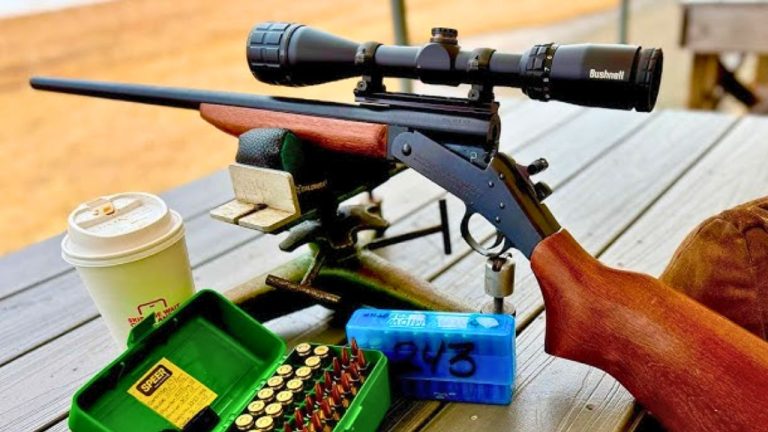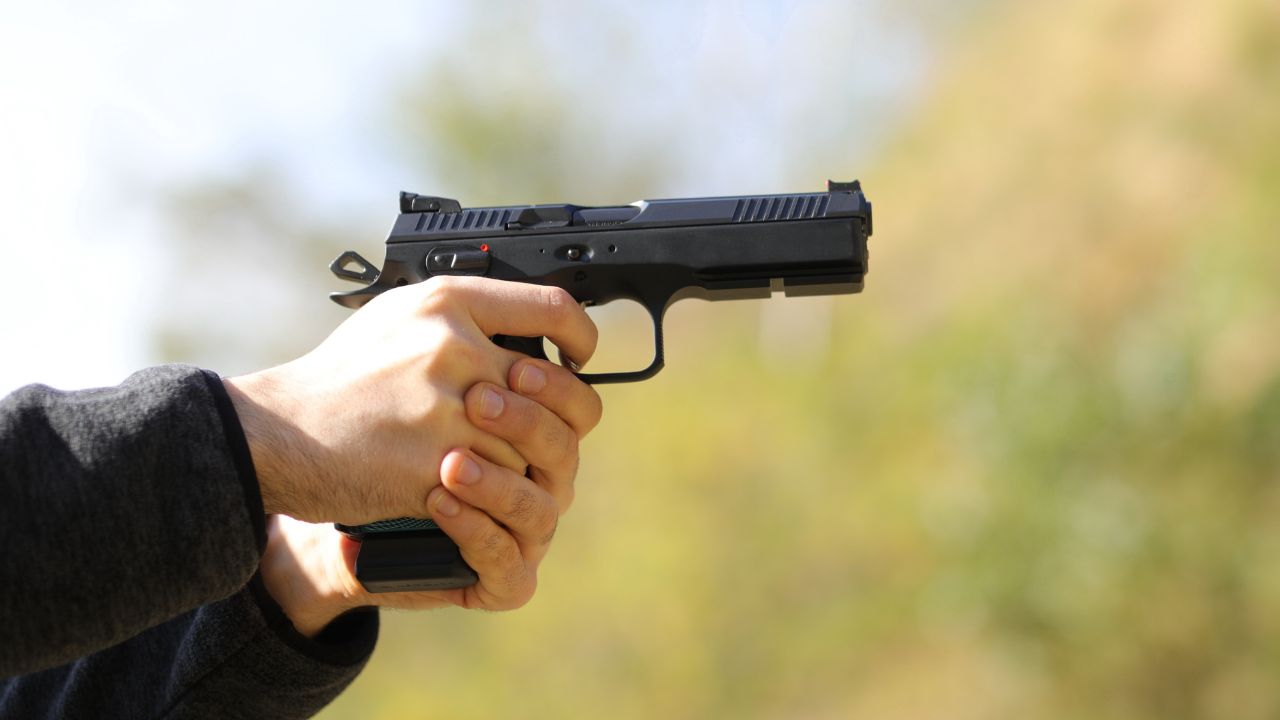
Handguns most shooters benefit from owning at least once
Handgun culture in the United States is shaped as much by habit and fashion as by hard experience, yet certain pistols keep resurfacing in conversations among instructors, competitors and everyday carriers. Across skill levels, a handful of platforms reliably teach fundamentals, reveal bad habits and clarify what a shooter actually needs. When I look at which handguns most people benefit from owning at least once, I am really looking at tools that sharpen judgment as much as marksmanship.
Those pistols tend to be simple, affordable and supported by abundant ammunition and training resources, which is why they show up in the safes of both first-time buyers and so‑called “super‑owners” with double‑digit collections. The right mix of rimfire trainers, duty‑size workhorses and compact carry guns exposes a shooter to different recoil profiles and roles, and that variety, more than any single model, is what builds lasting competence.
The .22 LR rimfire pistol that teaches everything cheaply
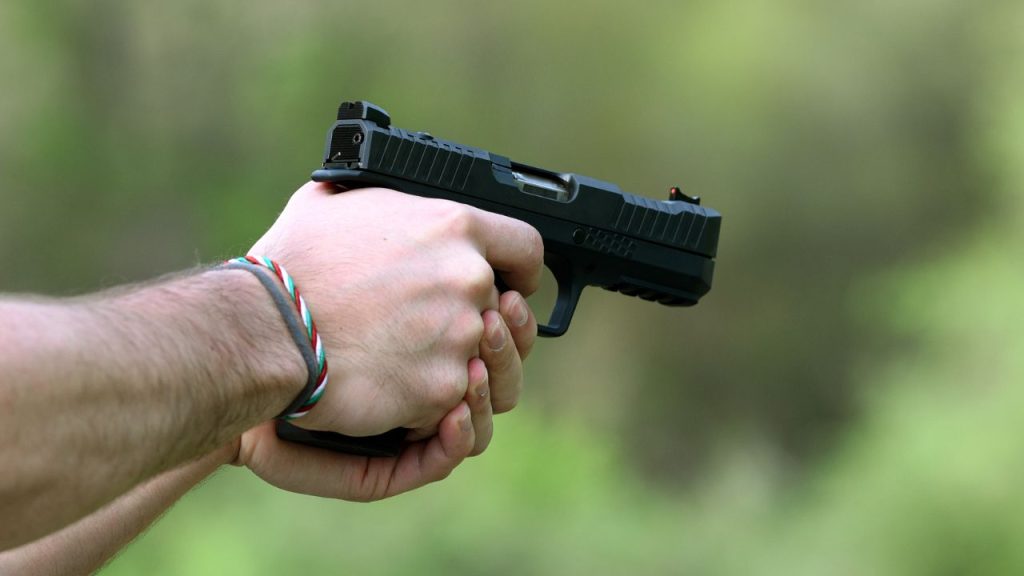
If I could insist that every new shooter own one handgun at some point, it would be a reliable .22 Long Rifle semi‑automatic. Low recoil, low noise and low cost per round let a beginner focus on sight alignment, grip and trigger press instead of flinching at blast or worrying about the price of every mistake. A rimfire pistol chambered in .22 Long Rifle makes it realistic to fire hundreds of rounds in a session, which is exactly what it takes to ingrain safe handling and consistent mechanics before moving up in power.
That economy is not just about saving money, it is about buying more repetitions of the right habits. A detailed look at the .22 Long Rifle points out that the cartridge is not only soft shooting and accurate but also ideal for practicing core skills like drawing, presenting to the target and resetting the trigger without the distraction of heavy recoil or muzzle flip, especially for people who are still building confidence at the range. When a shooter can run drills with a rimfire pistol until fatigue, rather than budget, ends the day, the handgun becomes a classroom instead of a status symbol.
The rimfire trainer that improves centerfire performance
Even for experienced handgun owners, a rimfire pistol is more than a starter toy, it is a precision tool for diagnosing and correcting flaws that show up later with defensive calibers. Many shooters struggle with the fundamentals of trigger control because they are subconsciously bracing for recoil, which leads to jerking the trigger, tightening the whole hand or dipping the muzzle at the break. A .22 that mimics the size and controls of a centerfire pistol strips away that anticipation, so the shooter can see exactly what the sights are doing as the shot breaks.
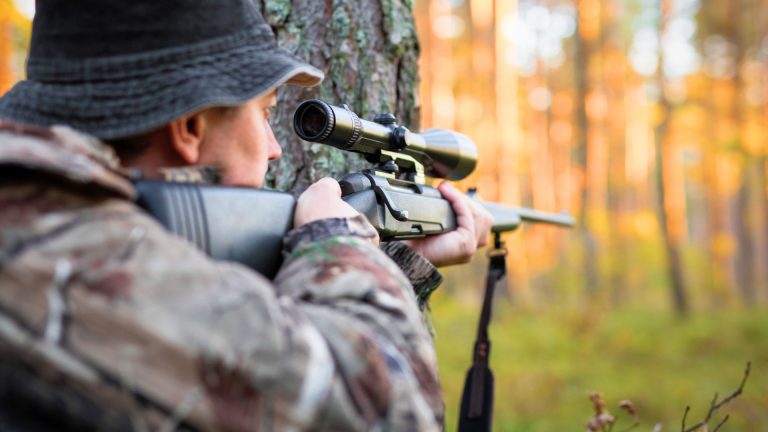
In structured practice, I have seen shooters alternate strings between a rimfire handgun and their usual carry pistol to reinforce a clean press and follow‑through. Guidance on rimfire training for hunting notes that Many shooters are so focused on managing recoil that they never build a truly repeatable trigger control system, and the same logic applies to handguns. By watching the sights track through the entire press on a .22, then immediately replicating that feel on a 9 mm or .40, a shooter can close the gap between slow‑fire accuracy and real‑world cadence.
The duty‑size 9 mm that sets the baseline
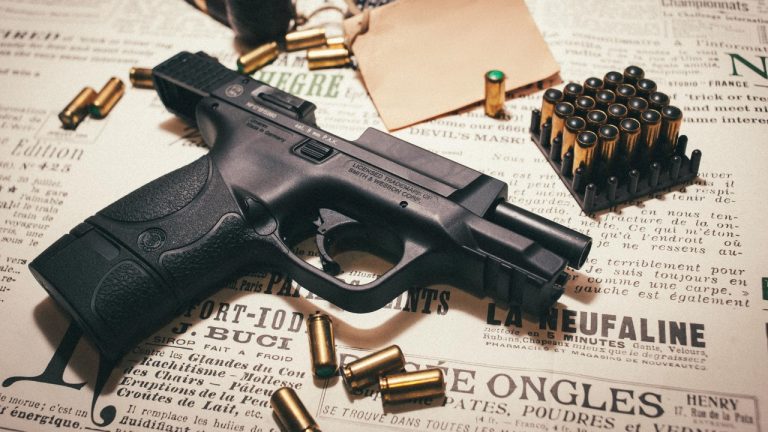
At some point, most handgun owners benefit from living with a full‑size 9 mm that could plausibly serve as a duty or home‑defense pistol. These guns, typically with 4 to 5 inch barrels and double‑stack magazines, establish a baseline for what “normal” recoil, capacity and shootability feel like in a modern defensive handgun. They are large enough to offer a full firing grip and long sight radius, yet still manageable for people with smaller hands when the ergonomics are well designed.
There is a reason that high‑volume owners often standardize around common calibers and platforms. One self‑described super‑owner, identified as Sep, argued that You should have “a couple of backups” and favor guns that use the most common forms of ammunition, precisely because that simplifies logistics and training. A mainstream 9 mm duty pistol fits that philosophy, giving the owner access to widely available magazines, holsters and spare parts, and making it easier to find instructors and classes built around that format.
The compact carry pistol that exposes trade‑offs
After a shooter has spent time with a full‑size handgun, a compact or subcompact carry pistol reveals the compromises that come with concealment. Shorter barrels, abbreviated grips and lighter frames make these guns easier to hide under everyday clothing, but they also amplify recoil and reduce the margin for error on grip and trigger control. Owning one, even temporarily, forces a shooter to confront whether they are willing to accept slower follow‑up shots and more demanding practice in exchange for a pistol that is actually with them outside the home.
That experience often reshapes how people think about “must‑have” features. A compact 9 mm with a consistent trigger, usable sights and a grip that fits the hand may prove more valuable than a larger handgun with higher capacity that never leaves the safe. When I work with new carriers, I see them discover that the gun they shoot best on a static range is not always the one they can conceal comfortably for a full workday. Living with a compact pistol for a season, including drawing from concealment and reholstering safely, teaches practical lessons that no amount of reading can replace.
The .22 revolver that enforces fundamentals
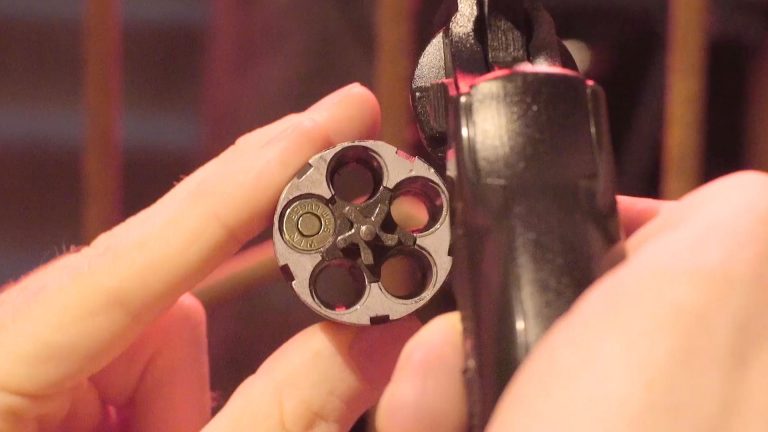
While semi‑automatics dominate the market, a simple .22 revolver remains one of the most unforgiving teachers a shooter can own. The long, consistent double‑action pull magnifies every flaw in grip and trigger technique, and there is no slide cycling to mask what the sights are doing. When a shooter can keep a small‑frame rimfire revolver steady through a full cylinder of double‑action shots, they have usually solved most of the mechanical issues that plague their semi‑auto work.
Revolvers also encourage a different pace and mindset. With limited capacity and slower reloads, shooters tend to focus on making each shot count, which dovetails with the emphasis on deliberate trigger control found in rimfire training for hunters and precision shooters. A .22 wheelgun is inexpensive to feed, and like other rimfire platforms it benefits from the low recoil and accuracy of the Long Rifle cartridge, which one analysis highlights as ideal for practicing fundamentals without punishing the shooter. By pairing that cartridge with a heavy, steady trigger, the revolver becomes a kind of analog coach that refuses to let sloppy technique slide.
The crossover between rimfire and centerfire platforms
Some of the most useful handguns to own at least once are those that mirror a centerfire design in a rimfire caliber. A .22 version of a popular service pistol lets a shooter practice draws, reloads and malfunction drills with identical controls, then transfer that muscle memory directly to the defensive gun. This crossover approach multiplies the value of every training dollar, because the same holsters, magazine pouches and range routines work across both pistols.
Manufacturers have long recognized the appeal of this strategy in the rifle world, where The Ruger 10/22 has become a perennial favorite partly because it runs reliably “as long as you use the factory magazines,” and partly because it mimics the handling of larger carbines in a cheaper package. That same logic applies to handguns, where a rimfire analog of a duty pistol lets owners burn through bulk .22 while preserving their stash of 9 mm or .40. When shooters can switch between calibers without relearning controls, they are more likely to integrate rimfire practice into their regular routine instead of treating it as a separate hobby.
The first‑handgun learning curve and safety culture
Regardless of which specific model someone buys first, the experience of owning a handgun at all reshapes how they think about safety, storage and responsibility. The National Rifle Association has long promoted a short list of core rules, and guidance for new buyers emphasizes that National Rifle Association, or NRA, is an excellent reference for learning how to carry, stow and use a firearm safely. When I talk to first‑time owners, I see how quickly their focus shifts from brand names to practical questions about locks, safes and how to brief family members on what to do and not do around the gun.
That cultural shift is especially important in a country where a relatively small share of the population owns a large share of the firearms. Some of those super‑owners, like Sep, advocate for redundancy and common calibers, while others prioritize specialized tools for hunting, competition or personal defense. Whatever their philosophy, the most responsible among them treat safety rules as non‑negotiable and encourage new shooters to do the same, often pointing them toward formal classes and written manuals rather than relying on informal advice at the range.
The legal and logistical realities behind every handgun
Owning a handgun, even one chosen purely for training value, also means navigating a web of regulations that many first‑time buyers underestimate. Federal law, including provisions in Ch. 53, governs how certain configurations and accessories are treated, and manufacturers remind Customers that they must contact the Bureau of Alcohol, Tobacco, Firearms and Explosives National Firearms Act Branch before assembling firearms that might fall under those rules. Even when a basic handgun is not itself an NFA item, adding parts or swapping barrels can change its legal status in ways that are not obvious to someone who has only ever rented guns at a range.
Logistics matter just as much as law. Super‑owners like Sep, who keep an average of 17 firearms, talk about standardizing on common ammunition and magazines so that a single trip to the store or a single online order can support multiple guns. That mindset filters down to more casual shooters who realize that a .22 trainer, a duty‑size 9 mm and a compact carry pistol, all in widely available calibers, are easier to keep fed than a collection of niche cartridges. When I look at which handguns are worth owning at least once, I weigh not only what they teach on the range but also how smoothly they fit into the legal and logistical framework that surrounds every responsible gun owner.
Why the right mix of handguns matters more than the “perfect” one
After years of watching people cycle through different pistols, I have come to believe that there is no single “must own” handgun, only categories that reveal different lessons. A .22 Long Rifle semi‑auto teaches economy and fundamentals, a rimfire revolver enforces trigger discipline, a duty‑size 9 mm sets the standard for practical performance, and a compact carry pistol exposes the compromises of real‑world concealment. Each platform highlights strengths and weaknesses that might stay hidden if a shooter only ever lives with one type of gun.
That progression also mirrors how many people actually grow into the role of handgun owner. They start with something approachable, often a rimfire recommended as the cheapest way to learn at the range, as one analysis of the Long Rifle cartridge explains. Over time, they add a centerfire pistol for defense, perhaps a compact for daily carry, and eventually a revolver or crossover rimfire to refine their skills. By the time they have owned each of these at least once, they usually care less about chasing the latest model and more about making the most of the tools they already understand.

Leo’s been tracking game and tuning gear since he could stand upright. He’s sharp, driven, and knows how to keep things running when conditions turn.