Hog hunting calibers that drop big boars effectively
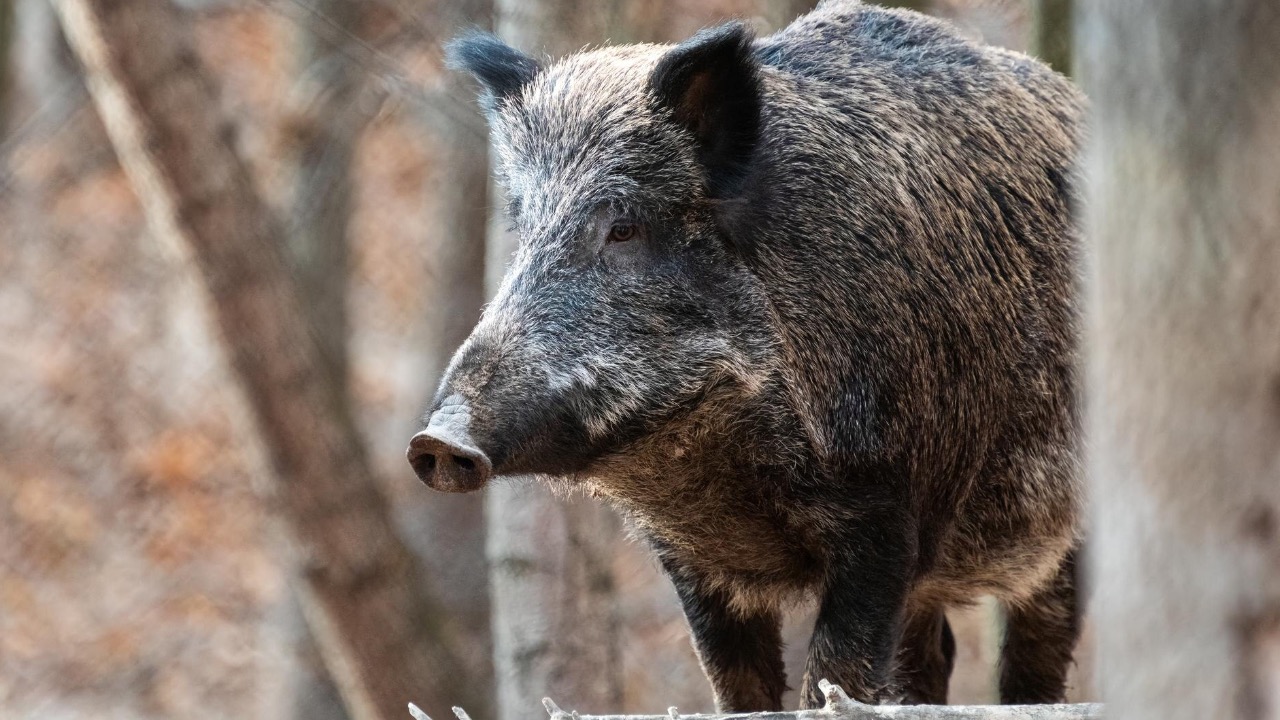
Hogs don’t give you much room for error. Thick shields, dense muscle, and a bad attitude mean you need a cartridge that can drive deep and break things down fast. Shot placement still matters more than anything, but the right caliber makes your job a whole lot easier when the angle isn’t perfect or the boar is pushing heavy.
You’ll hear a lot of opinions on what works. Some of them come from the range, others come from the field. What follows leans on what actually performs when you’re staring at a big-bodied hog that doesn’t plan on going anywhere.
.308 Winchester Handles Big Boars Without Fuss
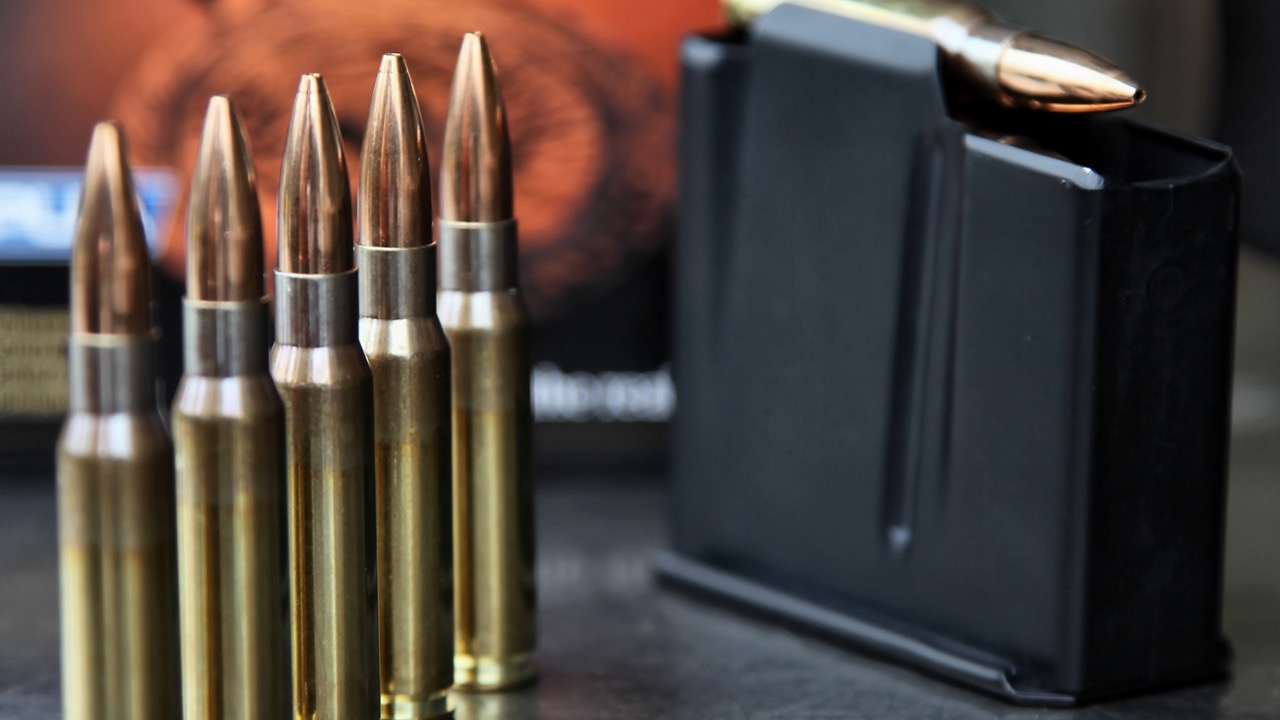
You don’t have to overthink it with a .308. It carries enough weight and velocity to punch through a hog’s shield and still reach the vitals with authority.
Where it shines is consistency. Whether you’re shooting 150s or stepping up into the 165–180 grain range, it holds together on impact and gives you predictable penetration. That matters when you’re dealing with quartering shots or thicker animals. You’re not chasing trends here—you’re using something that’s proven across decades of real hunting, not theory.
.30-06 Springfield Still Hits Like It Always Has
The .30-06 gives you a little more room than the .308, especially when you move into heavier bullets. That extra case capacity translates into better performance when things aren’t ideal.
You’ll notice it most on larger hogs or when your shot has to drive through shoulder before reaching vitals. It doesn’t rely on perfect placement to get the job done. If you’ve spent any time behind one, you already know it carries authority. That hasn’t changed, and it still earns its place in hog country.
.300 Blackout Works Best Inside Its Limits
The .300 Blackout gets a lot of attention, especially for night hunting setups. Inside 150 yards, it can be effective if you choose the right load and keep your expectations realistic.
Heavier supersonic rounds tend to perform better on hogs than subsonics when you need penetration. Subsonics can work, but they demand tight shot placement. You’re not getting the same margin for error as larger cartridges. If you stay disciplined with distance and angle, it does the job. Step outside that, and it shows its limits quickly.
6.5 Creedmoor Gets It Done With Proper Bullets
The 6.5 Creedmoor isn’t built for brute force, but it makes up for it with accuracy and penetration when paired with the right bullet.
You’ll want a controlled-expansion hunting round, not something designed for thin-skinned game at long range. With that in place, it drives deeper than many expect. It’s not the first pick if you’re dealing with heavy boars at close range in thick cover, but in open country where shot placement is clean, it performs well.
.243 Winchester Requires Careful Shot Placement
The .243 will kill hogs, no question, but it doesn’t give you much forgiveness. You need to be disciplined about where you put the bullet.
With proper bullets—something built for penetration, not varmint work—it can reach vitals effectively. The issue comes when you hit heavy shoulder or take a poor angle. That’s where it falls behind larger calibers. If you’re experienced and patient, it works. If you’re expecting it to make up for mistakes, it won’t.
.44 Magnum Packs Authority at Close Range
In thick brush or over bait, the .44 Magnum earns its keep. Out of a rifle, it delivers solid penetration and hits hard at typical hog distances.
You’re not stretching this one far. It’s built for close work, where shots are quick and angles can be less than ideal. Within its range, it breaks bone and carries enough weight to reach vitals. It’s a practical choice when you’re hunting in tight cover where longer shots aren’t part of the equation.
.223 Remington Can Work, But It’s Not Forgiving
You’ll hear arguments both ways on the .223, and the truth sits in the middle. It can take hogs cleanly with the right bullet and good shot placement.
The problem is margin. You don’t have much of it. Heavy-for-caliber bullets designed for controlled expansion help, but you still need to stay off heavy shoulder and pick your angles carefully. It’s more of a precision tool than a hammer. If you treat it that way, it can work. If not, you’ll see its limitations fast.
.450 Bushmaster Hits Hard for Short-Range Work
When you want immediate impact, the .450 Bushmaster delivers. It throws a heavy bullet that carries serious energy into the target.
This is a close-to-midrange option built for stopping power. It excels when hogs are big and distances are short. Recoil is noticeable, but the payoff is deep penetration and strong impact on bone. If you’re hunting in thick terrain or over feeders where shots stay inside 150 yards, it’s a solid choice that doesn’t leave much doubt on impact.
7.62×39 Is a Practical Middle Ground
The 7.62×39 sits between lighter and heavier options, and it works well within its range. With proper hunting ammo, it offers decent penetration and manageable recoil.
You’re looking at a cartridge that’s effective inside 200 yards, especially on average-sized hogs. It won’t match the performance of larger calibers on big boars, but it holds its own when used correctly. Keep your shots reasonable and avoid heavy shoulder, and it does what you need without complication.
At the end of the day, hogs don’t require magic—they require enough gun and good judgment. You can get it done with several calibers, but the bigger the boar and the worse the angle, the more you’ll appreciate extra bullet weight and penetration.

Asher was raised in the woods and on the water, and it shows. He’s logged more hours behind a rifle and under a heavy pack than most men twice his age.