How gun ownership laws work in Canada, explained simply
Gun laws in Canada rest on a clear promise from The Government to reduce self-harm, domestic abuse, and public shootings by tightly controlling who can own a firearm and what they can do with it. After a deadly mass shooting at a school in British Columbia drew fresh attention to these rules, the national system of licences, storage standards, and weapon bans has come under sharper public scrutiny. This article walks through how that system works in practice, in plain language, so the rules feel less like legal fine print and more like a set of understandable steps.
At the heart of Canadian policy is the idea that owning a gun is a regulated privilege, not an automatic right, which is why licences, background checks, and ongoing eligibility reviews sit at the centre of the law. From the historical roots of handgun registration to the recent national freeze on handguns and new rules for so-called ghost guns, the framework has steadily tightened around the same basic goal, keeping firearms away from situations where they are most likely to be used for crime or suicide.
How Canada’s gun system is organized
Canada regulates firearms through a national program that links licensing, registration for certain guns, and enforcement under the Criminal Code. The Royal Canadian Mounted Police runs this system through the Canadian Firearms Program, which handles licence applications, safety training records, and the databases that track restricted and prohibited weapons. In accordance with the Firearms Act, the Canadian Firearms Program, often shortened to CFP, also helps police forces check whether a person they encounter is legally allowed to own or transport a gun.
The Firearms Act itself provides the legal backbone for how licences are issued, when they can be revoked, and how records must be maintained. Under this law, detailed in the federal firearms guidance, the CFP works alongside Part III of the Criminal Code, which spells out offences like unsafe storage and unauthorized possession. I see the structure as a three-layer system, with Parliament writing the rules, the Firearms Act and Criminal Code defining offences and procedures, and the Canadian Firearms Program turning those rules into day-to-day administration.
Why Canada tightened gun rules over time
Modern Canadian gun control did not appear overnight; it grew out of more than a century of political choices about public safety and social order. Parliament first set up a system of gun control in the North West Territories in 1885 to limit weapons during the North West Rebel, an early example of Ottawa using firearms law to respond to unrest. Over the decades that followed, handgun registration became mandatory and, by 1934, owners had to list their weapons with local authorities, a step that laid the groundwork for later national tracking of restricted guns described in the history of firearms regulation in.
Later reforms introduced the Firearms Acquisition Certificate, usually called the FAC, and then the modern licensing system that replaced it. Those changes brought in mandatory safety courses and more thorough background checks, and they eventually fed into the Firearms Act that now governs licences and registration. Looking at this history, I see a steady pattern, each time gun violence or political conflict raised alarms, Ottawa responded by layering on more paperwork, more training, and more limits on which weapons civilians could legally keep.
The three classes of firearms
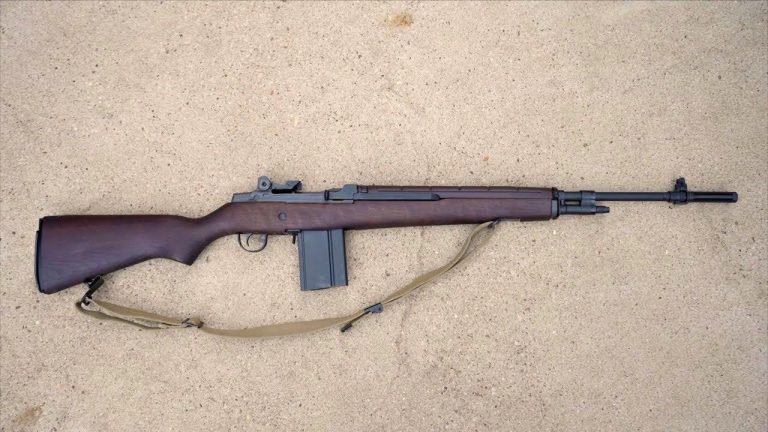
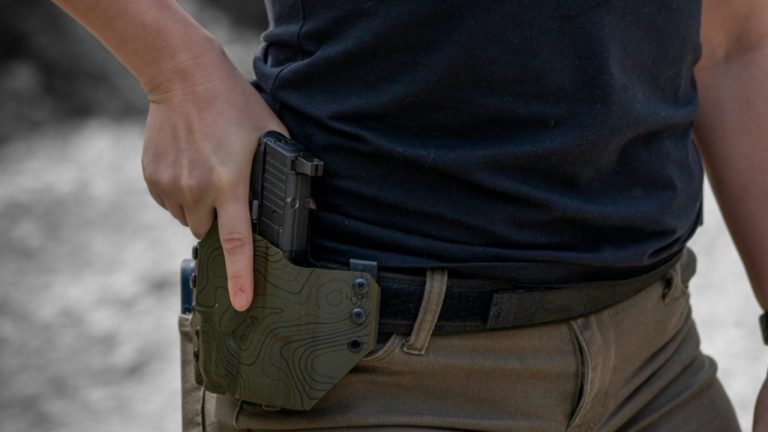
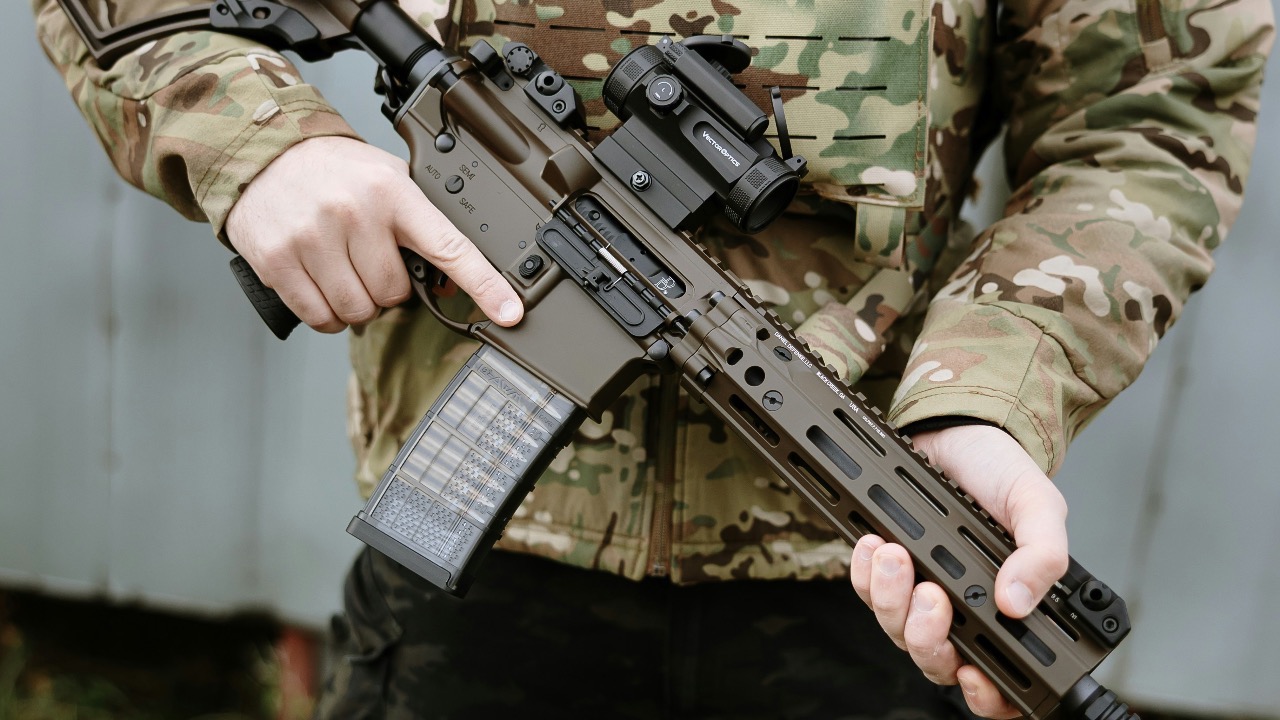
To understand Canadian gun law, it helps to start with the basic categories, since almost every rule flows from whether a firearm is non-restricted, restricted, or prohibited. The Royal Canadian Mounted Police explains that non-restricted firearms include most ordinary rifles and shotguns used for hunting or sport shooting, and these do not need to be registered federally, although owners still need a licence. Restricted firearms cover handguns that meet certain barrel length and calibre definitions, as well as some semi-automatic rifles, and these must be registered and can only be used for specific purposes listed in the classes of firearms.
Prohibited firearms sit at the tightest end of the spectrum, including fully automatic guns and specific models of assault-style rifles that Ottawa has chosen to ban for civilian use. Owners who were previously allowed to possess some of these weapons are often limited to holding them under grandfathering rules, without the ability to use them for target practice or hunting, and new buyers are blocked entirely. The RCMP guidance on handguns and other also notes that you may only be licensed to own a restricted gun for purposes like target shooting at an approved range or training for competitions recognized by the International Olympic Committee or the International Paralympic Committee.
Licences, eligibility, and background checks
Before anyone in Canada can legally buy or possess most guns or ammunition, they must hold a valid firearms licence, which functions as the gatekeeper for the entire system. The Firearms Act spells out the Eligibility to Hold under its General Rules, stating that a person is not eligible if, in the interest of the safety of that person or any other person, it is desirable that the individual not possess a firearm. That standard allows authorities to consider past violence, mental health concerns, and other risk factors when deciding whether to issue or renew a licence.
Applicants must usually complete a safety course and pass written and practical tests before they can apply, and the Canadian Firearms Program then runs background checks and may contact references or local police. According to the Canadian Firearms Program, the RCMP, acting as The Royal Canadian Mounted Police, oversees both licensing and registration through the CFP, which means the same federal body can suspend or revoke a licence if a person becomes a public safety concern. I read that as a deliberate choice to keep the licensing gate under close national supervision rather than leaving it entirely to local discretion.
How buying, selling, and storage work
Licensing is only the first step, because Canadian law also controls how guns move between people and how they are stored once they are in a home or business. When someone wants to sell or give away a non-restricted rifle or shotgun, they do not need to register the firearm, but before transferring it they must confirm that the buyer holds a valid licence, a requirement set out in the RCMP’s guidance on transferring. For restricted and prohibited guns, the rules are tighter, with mandatory registration and formal transfer authorizations that must be approved before the weapon can legally change hands.
Once a firearm is in someone’s possession, storage and transport rules aim to keep it out of the wrong hands as much as possible. Analyses comparing Canadian and United States policy highlight that in Canada, guns must be kept unloaded and locked away, either with a secure locking device or in a locked container, and ammunition is supposed to be stored separately or otherwise made difficult to access, a standard described in reporting on how Canadian storage. I see those measures as an attempt to break the chain between impulsive anger or distress and immediate access to a loaded firearm.
Recent changes, including Bill C-21 and ghost guns
In the last few years, Ottawa has moved to tighten gun laws again, focusing on handguns and emerging threats like privately made firearms with no serial numbers, often called ghost guns. Former Bill C 21 introduced a national freeze on the sale, purchase, or transfer of handguns by individuals within Canada, limiting how many new handguns can enter civilian circulation. The same package of measures also tackled untraceable weapons by changing licence requirements, as summarized in the section on ghost guns and, which explains that the law implemented new offences for making or selling firearm parts meant to be assembled into a gun by a person without a firearms licence.
These reforms sit within a broader federal effort to treat firearms as a key factor in domestic, gender-based, and intimate partner violence, as well as suicide. The Government has stated that it is committed to addressing self-harm and family abuse involving firearms, and it has also moved to prohibit specific models of guns through a 2024 prohibition on certain prohibited firearms, according to the federal firearms policy. I read these steps as a sign that Ottawa sees gun control not just as a crime issue, but as part of a wider strategy to reduce violence in homes and communities.
What happens when a gun becomes prohibited
When Ottawa moves a firearm or device into the prohibited category, existing owners are not simply left to figure things out on their own, although the process can still be confusing and contentious. Federal guidance on changes to prohibitedexplains that people who own newly banned guns generally cannot continue to use them for hunting or sport shooting, and instead face a limited set of options. Those options can include surrendering the firearm for destruction, having it deactivated so it can no longer fire, or in some cases holding it under strict grandfathering rules that bar any transfer to new owners.
These shifts can be especially sensitive for sport shooters and collectors who bought their firearms legally and then find themselves holding property they can no longer use. The federal questions and answers material acknowledges that owners may have practical and financial concerns when a model is moved into the prohibited column, which is one reason Ottawa has discussed potential compensation or buyback programs for certain categories. From my perspective, the core legal message is blunt, once a gun is listed as prohibited, its role in civilian life is either tightly constrained or effectively ended, regardless of how common it once was.
How Canadian rules compare internationally
Canada often gets described as sitting between the United States and countries like England and Wales or Australia when it comes to gun control, and recent events have pushed those comparisons back into public debate. Reporting on What are Canada’s notes that a deadly mass shooting at a school in British Columbia is likely to increase scrutiny of how Canada balances access to firearms with public safety, especially when compared with stricter regimes that heavily limit civilian gun ownership. England and Wales, for example, have far tighter restrictions on handguns, while Australia famously carried out a large-scale buyback after a mass shooting in the 1990s, sharply reducing the number of privately held firearms.
At the same time, Canada’s rules are already far more restrictive than those in many parts of the United States, where there is no national licensing system equivalent to the Canadian Firearms Program and where storage rules are often looser. Analyses of Canada and U.S. point out that Canadian owners must keep guns locked and unloaded, and that background checks are tied to a renewable licence rather than a one-time point-of-sale check. I see those differences as central to why Canada experiences lower rates of gun homicide than the United States, even though it still grapples with tragic shootings and ongoing debates over how far restrictions should go.
Why the system feels complex, and how to read it simply
For anyone trying to make sense of Canadian gun laws, the layers of statutes, regulations, and policy pages can feel intimidating, but the core logic is fairly straightforward. First, the state decides who can own a gun through licensing rules that look at safety training and personal history, as set out in the Firearms Act and enforced by the Canadian Firearms Program. Second, it decides which guns are allowed, restricted, or prohibited through classifications maintained by the RCMP and through specific orders that can move a model from one category to another, as outlined in the official firearms reform updates.

Leo’s been tracking game and tuning gear since he could stand upright. He’s sharp, driven, and knows how to keep things running when conditions turn.