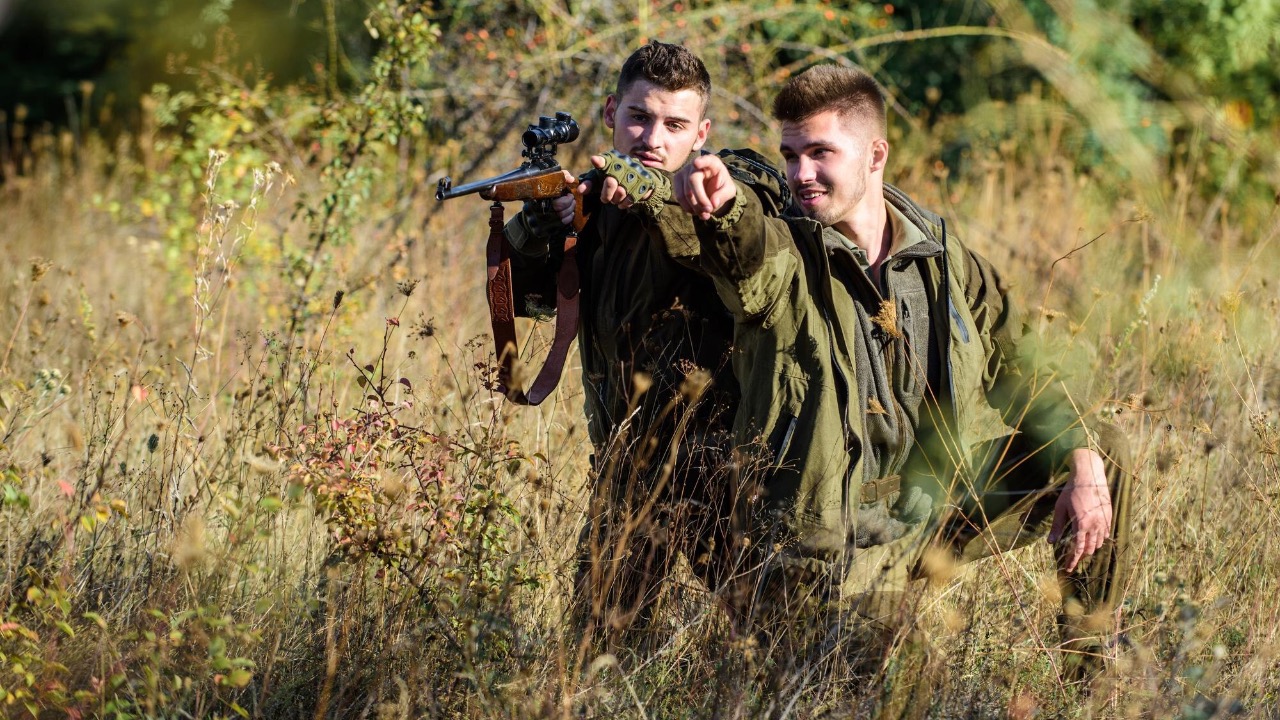
Hunter says partner insisted on taking long shots he wasn’t confident in
A disagreement between hunting partners has highlighted a common tension in the field: how far is too far when it comes to taking a shot. According to the account, one hunter felt uncomfortable with long-range attempts, while his partner continued to push for shots that exceeded what he considered a reliable distance.
In hunting situations, confidence in range, wind, and target clarity matters more than ambition. When one person in a group wants to stretch distance beyond what others feel is safe or ethical, it can quickly create friction. In this case, the concern wasn’t just about success rates, but about responsibility and whether a missed shot could lead to unnecessary risk or a wounded animal.
Disagreement over shot distance and judgment calls
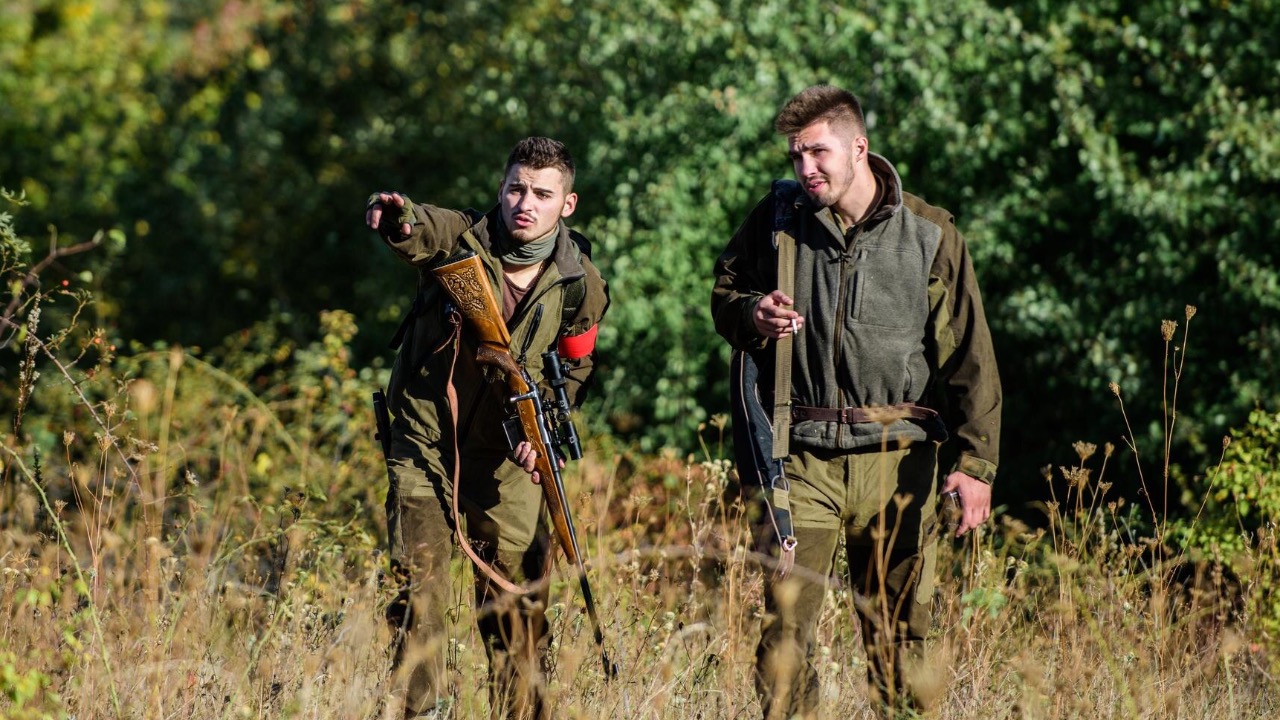
Long shots in hunting are often debated because they depend heavily on skill level, conditions, and equipment. Even experienced hunters set personal limits based on practice and real-world conditions, not just what is theoretically possible. The hunter in this situation reportedly felt those limits were being ignored.
The partner’s willingness to push for longer attempts suggests a difference in approach rather than a single mistake. One side prioritized caution and consistency, while the other appeared more focused on opportunity. That kind of mismatch can create ongoing tension, especially when both individuals feel strongly about what “responsible shooting” looks like.
Why ethical distance matters in hunting
Ethical hunting isn’t just about making a shot — it’s about making a clean, controlled one. As distance increases, variables like wind drift, bullet drop, and reaction time become harder to manage. Even small errors can turn a clean shot into a poor outcome.
Because of that, many hunters set personal maximum ranges they won’t exceed, even if the shot looks technically possible. These limits are usually based on practice under field conditions, not ideal range scenarios. When someone in a group ignores those limits, it can raise concerns about judgment and shared responsibility in the moment.
Pressure dynamics between hunting partners
Group pressure can play a subtle role in hunting decisions. Even without direct confrontation, one person pushing for more aggressive shots can make others feel hesitant to speak up. That dynamic can lead to frustration, especially if one hunter feels they are being talked into decisions they don’t fully support.
In partnerships, clear communication before and during a hunt is often what prevents these conflicts. Many experienced hunters discuss shot limits ahead of time to avoid disagreements when animals are in sight. Without that clarity, decisions can become split-second arguments instead of agreed-upon actions.
Broader takeaway on decision-making in the field
Situations like this often come down to differences in risk tolerance and experience. What feels reasonable to one hunter may feel unnecessary or unsafe to another. Neither perspective is unusual, but they can clash when both people are actively trying to make decisions in real time.
In most hunting groups, trust is built on respecting each person’s limits rather than pushing past them. When that balance breaks down, it doesn’t just affect a single shot — it can change how the entire partnership functions going forward, especially in high-pressure moments where judgment matters most.

Leo’s been tracking game and tuning gear since he could stand upright. He’s sharp, driven, and knows how to keep things running when conditions turn.