Hunter says someone kept dry firing his gun as a joke and wouldn’t stop
A hunting-related dispute has drawn attention after a hunter claimed that someone in his group repeatedly dry fired his firearm as a joke and ignored requests to stop. The situation has raised questions about basic firearm respect, group safety standards, and how quickly “harmless” behavior can turn into something dangerous when weapons are involved.
According to the account, the behavior wasn’t a one-time mistake but something that kept happening even after the gun owner made it clear he wasn’t okay with it. In hunting environments, where people often rely on shared trust and coordination, even small violations of safety expectations can create tension fast. What starts as teasing can shift into a serious conflict when it involves firearms.
Why dry firing can be a serious concern
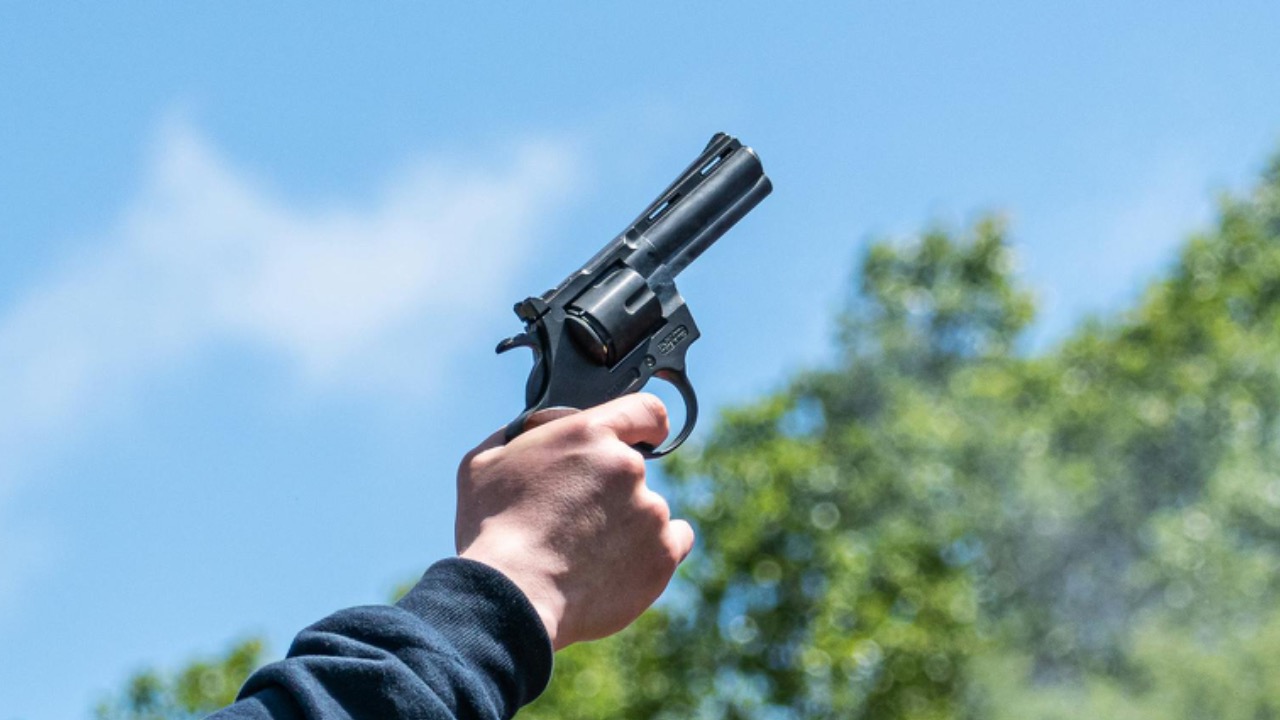
Dry firing — pulling the trigger on an unloaded gun — is sometimes used for training or practice, but it depends heavily on the firearm type and whether it’s done correctly. Some guns can be damaged by repeated dry firing without proper precautions, especially older models or rimfire firearms. Even when no damage occurs, the bigger issue is safe handling.
Firearm safety rules are built around consistency: treat every gun as loaded, keep control of the muzzle direction, and only handle another person’s weapon with permission. When someone ignores those rules, it introduces uncertainty. In this case, the concern wasn’t just about the mechanical impact on the gun, but about someone repeatedly handling it in a way the owner didn’t approve of.
Tension between “joking around” and safety rules
In group hunting situations, there’s often a mix of downtime and high-alert moments. That environment can lead some people to act casually around equipment, especially if they underestimate how strict firearm discipline needs to be. What one person sees as joking around, another may see as reckless or disrespectful.
The problem is that firearms don’t allow much room for blurred boundaries. Unlike other gear, there’s no “safe level” of careless handling that’s universally acceptable. Even if a gun is unloaded, repeated manipulation without permission can erode trust quickly. Once that trust is broken, it can affect how the group communicates and operates for the rest of the trip.
Why consent matters with firearms
A key issue in situations like this is consent and control. Firearm owners typically expect to be the only ones handling their weapon unless they explicitly allow someone else to do so. That expectation isn’t about being territorial — it’s about accountability and safety.
When someone ignores that boundary, it creates a situation where the owner no longer feels fully in control of their equipment. In a hunting environment, that can be especially stressful because quick decisions and clear communication matter. If someone is repeatedly interfering with a firearm, it forces others to question what other safety rules might also be ignored.
Broader safety lessons from incidents like this
While this specific situation may sound like a personal disagreement, it reflects a broader issue in outdoor and hunting culture: not everyone enters the field with the same level of discipline around firearms. Experienced hunters often stress that safety rules are not flexible, even when the mood is casual or familiar.
Incidents like this are often used as reminders that firearms require a different standard of behavior than most other equipment. Respect, communication, and clear boundaries are what keep group outings safe. When those expectations aren’t followed, the result is usually not just frustration, but a breakdown in trust that can end a hunt early or permanently split a group.

Leo’s been tracking game and tuning gear since he could stand upright. He’s sharp, driven, and knows how to keep things running when conditions turn.