ICE Traffic Stop in California Erupts in Gunfire
A routine traffic stop by federal immigration agents in California erupted into gunfire that left a driver wounded and a community demanding answers. What began as an enforcement action on a rural road has quickly become a test of transparency for Immigration and Customs Enforcement and a flashpoint in the state’s long-running fight over immigration policing.
The shooting, captured in part on dashcam video from a passing motorist, has raised sharp questions about how ICE conducts arrests away from the border and how often minor encounters can turn violent. It has also triggered protests, legal challenges, and a renewed push for clearer rules on when armed federal agents can fire into occupied vehicles.
What happened
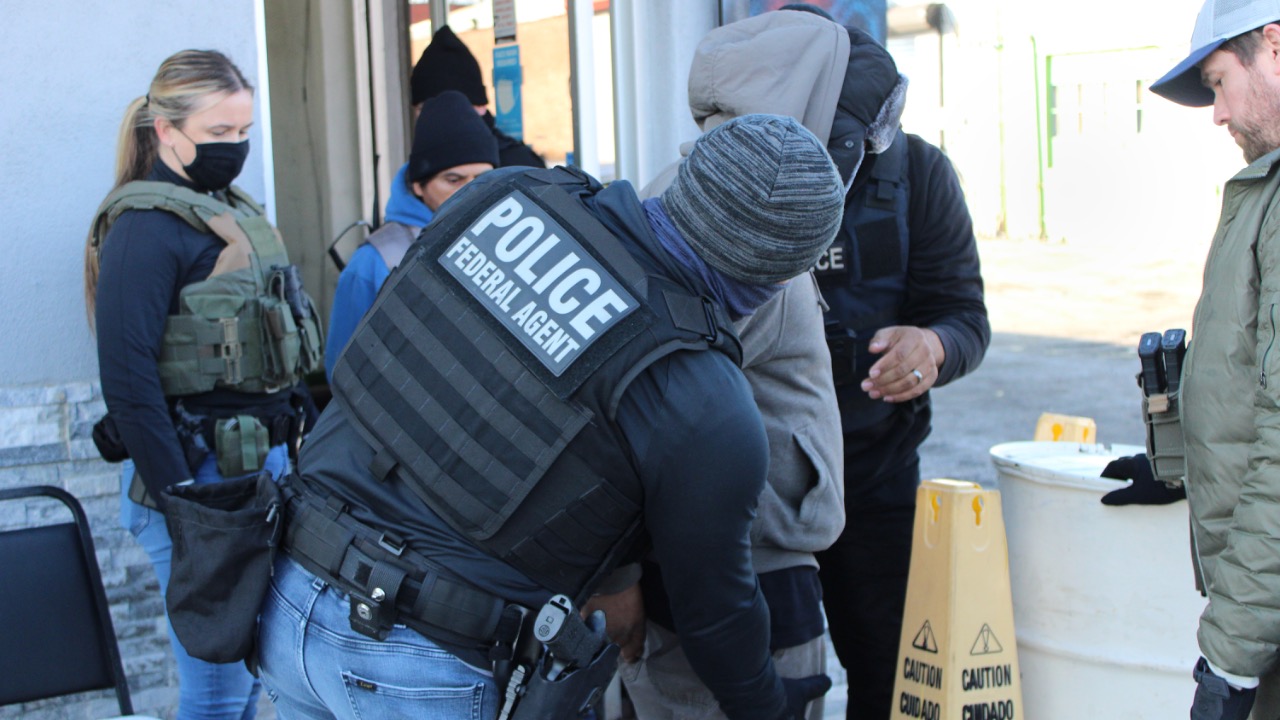
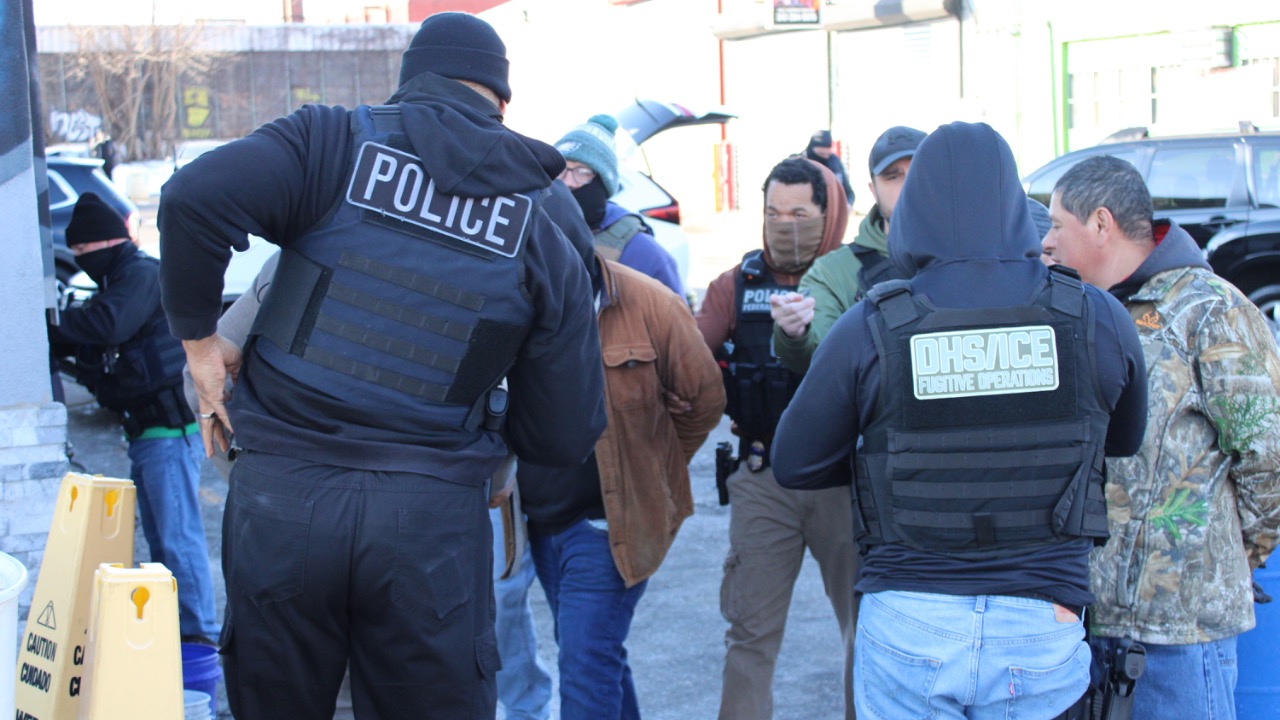
The confrontation unfolded in Stanislaus County, along a stretch of two-lane road lined with orchards and farm fields. ICE officers in unmarked vehicles moved to stop a pickup truck whose driver they said was the target of an immigration enforcement operation. According to the agency, the officers identified themselves and ordered the man to pull over before the situation rapidly deteriorated into a shooting.
A key piece of evidence emerged when a new witness came forward with dashcam footage from a car that happened upon the stop. The video, which shows the pickup already on the shoulder as armed agents surround it, captures the sound of multiple shots and the driver’s vehicle lurching forward before coming to a halt. The witness, who had no prior connection to the driver or ICE, shared the recording of the traffic stop with investigators and local media, giving the public its first independent look at the encounter.
In ICE’s account, the driver tried to flee the scene and used his truck in a way that threatened the officers’ safety. The agency has said that an officer was partially pinned by the moving vehicle and that agents fired to stop what they viewed as a deadly threat. Their description frames the gunfire as a last resort in response to a suspect who refused commands and attempted to escape.
The driver’s legal team has painted a very different picture. In their telling, the man was confused by the sudden appearance of armed individuals in plain clothes around his truck and did not initially realize they were federal agents. They argue that the video shows the vehicle moving slowly and that the pattern of gunshots suggests agents opened fire while the truck was already edging away, not accelerating toward anyone.
Dashcam footage reviewed by local television journalists shows agents approaching the truck with weapons drawn and the vehicle inching forward before shots ring out. The recording from the passing car captures the perspective from behind, with the pickup’s brake lights flickering as the scene unfolds. That video, now central to the investigation, has been dissected frame by frame by reporters covering what happened before the shots were fired.
The driver survived but was hospitalized with gunshot wounds. ICE has not publicly identified him, citing privacy and security concerns, but his attorney has confirmed that he is a longtime Central Valley resident with deep family ties in the area. The agency has also not said how many rounds its officers fired or which specific officer’s shots struck the man, information that is likely to be central in any future criminal or civil proceedings.
Why it matters
The shooting lands at the intersection of two volatile debates in California: the role of ICE in local communities and the rules that govern police use of force during vehicle stops. For years, state and local officials have tried to limit cooperation with federal immigration enforcement, arguing that aggressive tactics erode trust in immigrant neighborhoods. A burst of gunfire on a roadside, caught on video and replayed across social media, threatens to deepen that distrust.
Public concern is heightened by the fact that ICE officers were operating in plain clothes and unmarked vehicles, a tactic that can confuse drivers who suddenly find themselves boxed in by armed strangers. Civil rights advocates argue that this approach increases the risk of panic, flight, and miscommunication, especially when language barriers are present. The dashcam footage has fueled questions about whether clearer visual identification or the presence of uniformed backup might have prevented the confrontation from spiraling.
The case also spotlights the broader national debate over when officers can justifiably shoot at moving vehicles. Many large police departments now instruct officers to avoid firing at cars except when no other option exists, because bullets often fail to stop a vehicle and can endanger bystanders. Critics of the ICE operation say the video raises doubts about whether the agents exhausted alternatives, such as repositioning or disengaging, before opening fire on the truck.
In Sacramento and Roseville, the shooting has galvanized activists who already opposed ICE’s presence in their communities. Demonstrators have gathered outside federal buildings and local government offices, holding signs that call for an end to vehicle-based immigration raids and for stronger sanctuary protections. Organizers have linked the Stanislaus County incident to a pattern of aggressive enforcement, arguing that the gunfire shows how quickly routine stops can escalate when federal agents operate with limited oversight.
Coverage of the protests in Sacramento and nearby suburbs has highlighted the mix of voices involved, from immigrant families fearful of future raids to local residents who say they support immigration enforcement but want clearer rules of engagement. Some protesters have called on city councils to cut off any remaining cooperation with ICE, including information sharing or joint operations, until the agency releases a full accounting of the shooting.
Legally, the incident could shape how courts view the use of force by federal immigration officers operating inside the United States. The driver’s attorney has already signaled plans to challenge ICE’s narrative, arguing that the agency’s public statements do not match what can be seen and heard on the dashcam recording. If a lawsuit proceeds, it could force disclosure of internal policies on vehicle stops, pursuit, and firearms use, as well as body camera or in-car video that has not yet been made public.
In interviews, the lawyer representing the wounded man has questioned whether agents followed their own rules and federal guidelines. He has pointed to discrepancies between ICE’s initial description of a driver who allegedly tried to run down officers and the more ambiguous movements shown on the video. That critique has been detailed in reporting on how the attorney challenges the official account, suggesting that the case could hinge on expert analysis of the footage and forensic evidence from the scene.
Politically, the shooting arrives as federal and state leaders clash over immigration enforcement priorities. California’s sanctuary laws limit when local police can assist ICE, but they do not prevent federal agents from operating independently. The Stanislaus County incident shows how those parallel systems can collide on the ground, with local residents often unable to tell which officers answer to which chain of command until something goes wrong.
What to watch next
Several investigations are now in motion. ICE’s Office of Professional Responsibility is reviewing the conduct of the agents involved, a standard step after any shooting by federal officers. The Department of Homeland Security’s inspector general may also examine the case, although the agency has not publicly confirmed a formal probe. At the local level, the sheriff’s office and district attorney are assessing whether any state laws were violated, including potential charges related to assault or reckless discharge of a firearm.
Central to all of these reviews will be the dashcam recording and any additional video that surfaces. Analysts will study the timing of the shots, the speed and direction of the pickup, and the positions of the agents around the vehicle. They will also look for audio cues, such as commands shouted before the gunfire, that could support or undercut ICE’s claim that the driver posed an imminent threat. The newly surfaced video of the ensures that investigators and the public are working from a shared visual record, even as interpretations differ.

Leo’s been tracking game and tuning gear since he could stand upright. He’s sharp, driven, and knows how to keep things running when conditions turn.