Illinois Bill Would Require Serialization and Registration of Every Ammunition Round
Illinois lawmakers have introduced a bill that would upend the way handgun ammunition moves through the state. House Bill 4414, sponsored by Representative Anne Stava of Naperville, calls for every round of handgun ammunition manufactured, imported, sold, or even possessed in Illinois to carry a unique serial number starting January 1, 2027. The Illinois State Police would also run a centralized registry tracking those transactions. Right now the proposal sits stalled after being sent back to the House Rules Committee at the end of March, but its reach is broad enough to affect manufacturers, retailers, and anyone who keeps ammo at home or in a range bag. You can see why it has sparked strong pushback from both gun owners and some lawmakers across party lines.
Breaking Down the Core Requirements of the Bill

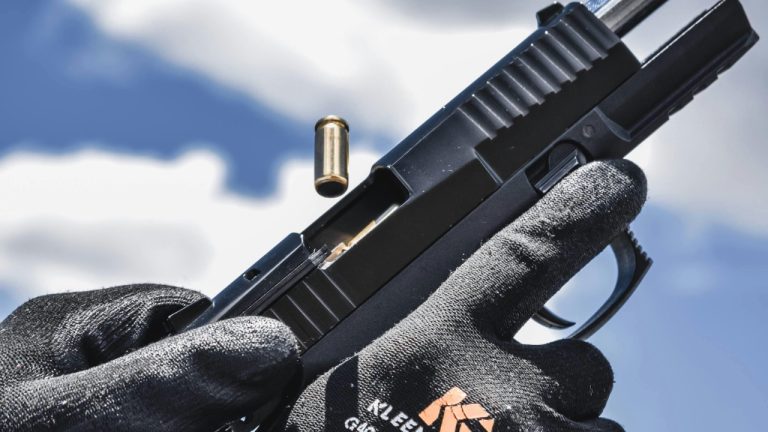
The legislation targets handgun ammunition specifically. That means any round designed for or usable in a handgun would need serialization if it is made here, brought into the state, offered for sale, given away, or simply kept in your possession. The Illinois State Police gets to decide exactly how that marking happens, whether on the bullet itself, the packaging, or in batches.
At the same time the bill sets up a statewide database of ammunition transactions. Every sale or transfer would feed into this registry, giving law enforcement a new tool for tracing rounds. You would not have to register your existing stock immediately, but once the law kicked in, non-serialized ammo could quickly become a problem to own or carry.
Where the Bill Stands Right Now in Springfield
Lawmakers introduced the measure back in January and sent it to the Judiciary-Criminal Committee in mid-March. On March 27 it got bounced back to the Rules Committee under House Rule 19(a), which usually signals the end of the road for the session.
That does not mean the idea is dead forever. Similar proposals have popped up in past years, and supporters could revive it next session. For the moment though, nothing is moving forward, so you still have time to follow the usual channels if you want to weigh in with your own representative.
The Role of the Illinois State Police in All This
The state police would shoulder the entire program. They handle enforcement, write the rules for how serialization looks in practice, and maintain the transaction registry. Peace officers and authorized staff could access the data, and so could you if you needed to check your own purchase record.
They also get authority to set up the fee collection system that funds it all. The goal is to keep the registry running without dipping into general tax dollars, which means the costs land on the people actually buying the ammunition.
Understanding the Fees That Would Come With It
The bill lets the Illinois State Police collect an end-user fee of up to five cents per round or per bullet. That money can only cover the actual expenses of building the system, running it, enforcing it, and planning for future updates. Once those costs are met, the fee stops.
For someone who buys a few boxes a month, those pennies add up over time. Retailers would pass the charge along at the point of sale, so you would notice it right there at the counter alongside your regular sales tax. The cap is meant to prevent the program from becoming a revenue generator, but critics still call it a practical tax on shooting.
What the Penalties Look Like If It Passes
After January 1, 2027, manufacturing, importing, selling, or lending non-serialized handgun ammunition would count as a Class A misdemeanor. That is the more serious of the two tiers and carries real consequences if you get caught.
Possessing unmarked rounds in any public place drops to a Class C misdemeanor, which is lighter but still lands on your record. These rules apply to everyday citizens and businesses alike, with no carve-outs for simple storage at home unless you fall into one of the listed exceptions.
Built-In Exceptions That Could Apply to You
The bill does leave room for certain groups. Law enforcement and military personnel would stay exempt from the serialization rules when they operate within their official duties. Non-commercial handloaders might also have some flexibility, though the details would depend on the rules the state police eventually writes.
If you already own ammo before the effective date, the law does not force you to destroy it or serialize it retroactively. The focus stays on new production and new transactions once 2027 rolls around.
How Lawmakers and Gun Owners Are Responding
Representatives from both parties in the Rockford area have already voiced skepticism, questioning whether the plan would actually reduce crime or simply burden lawful owners. Gun clubs and individual shooters have echoed that concern in public comments, pointing out the added cost and hassle.
Supporters argue the registry could help investigators link ammo to crimes more quickly. Opponents counter that criminals rarely buy their ammunition through licensed dealers anyway, so the real effect would fall on responsible people who follow the rules.
Lessons from Past Attempts at Similar Laws
Illinois has tried ammunition tracking ideas before, and at least fifteen other states have considered comparable measures over the last decade or so. None of them have made it into law.
The recurring obstacles have been the same ones you hear now: technical difficulty of marking millions of tiny rounds, steep compliance costs for manufacturers, and doubts about whether the system would deliver meaningful public safety gains. Those earlier efforts give a pretty clear roadmap for why this version faces such an uphill climb.
Everyday Effects This Could Have on Ammunition Buyers
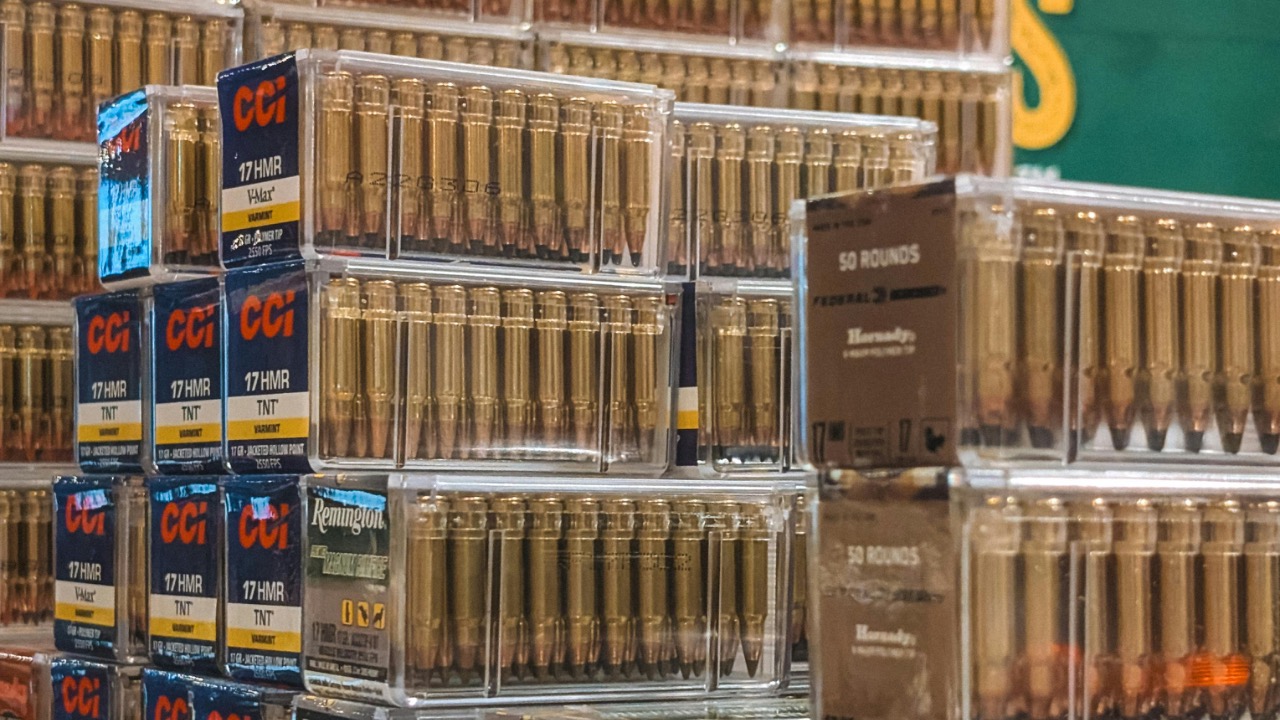
If the bill ever passes, you would see changes at your local gun shop and online retailer. Every box of 9mm, .380, or .45 would need to meet the new marking standard before it could legally cross into Illinois. Prices would tick up because of the fee and the extra work manufacturers have to do.
Range days and hunting trips would stay possible, but you might think twice about how much ammo you stockpile. The law does not ban ownership, yet it does create a new layer of tracking and expense that many people find unnecessary for self-defense or sport shooting.
Looking Ahead to What Might Happen Next
The immediate future of the bill looks quiet after its latest committee setback. Lawmakers could bring it back in 2027 or later if the political winds shift. In the meantime you can keep an eye on the Illinois General Assembly website or reach out to your own representatives if you have thoughts on the proposal.
Whether you support tighter tracking or worry about the burden on law-abiding owners, the conversation around ammunition rules is not going away. Staying informed now helps you prepare for whatever comes down the road in Springfield.

Asher was raised in the woods and on the water, and it shows. He’s logged more hours behind a rifle and under a heavy pack than most men twice his age.