Investigations That Changed How DUI Testing Is Challenged in Court
Courts once treated DUI test results as nearly infallible, a scientific stamp that could end a case before it really began. A wave of investigations and rulings has since exposed how fragile that assumption is, and how much depends on scrutinizing the devices, labs, and legal theories behind every reading. In this piece, I trace how those challenges emerged and how they reshaped the way I see DUI evidence being fought in courtrooms across the country.
The science fight behind breathalyzers
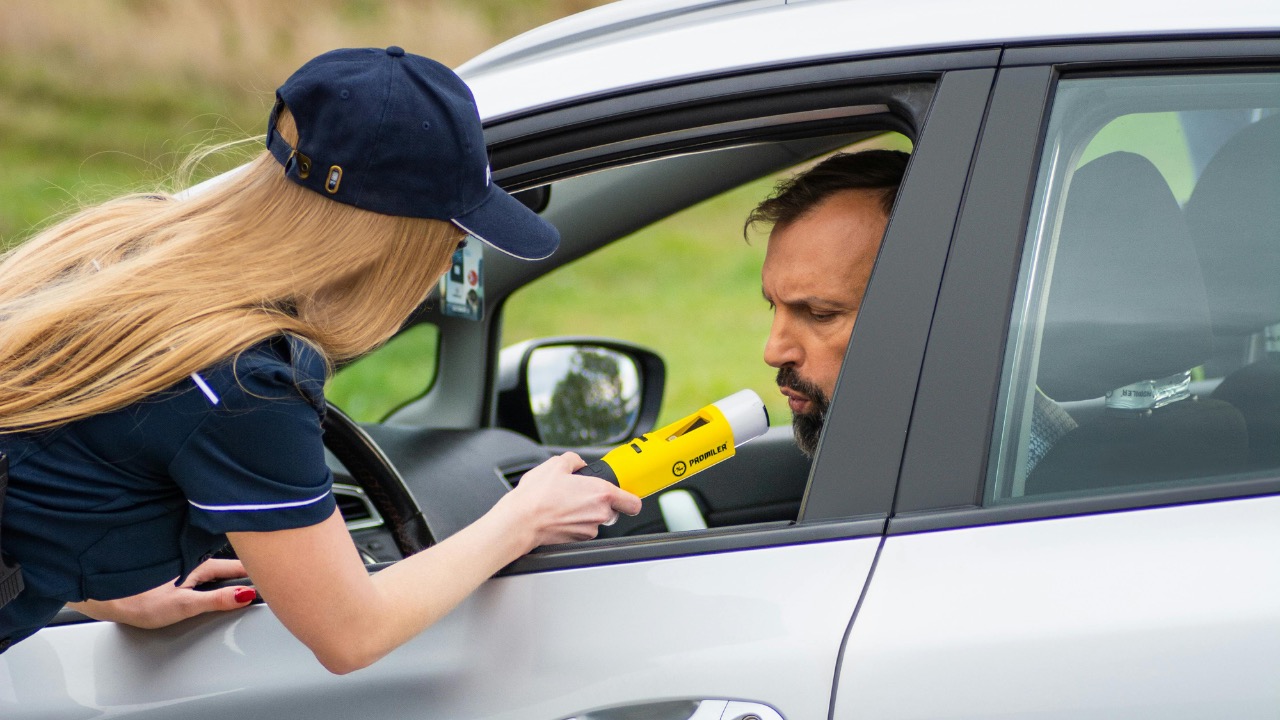
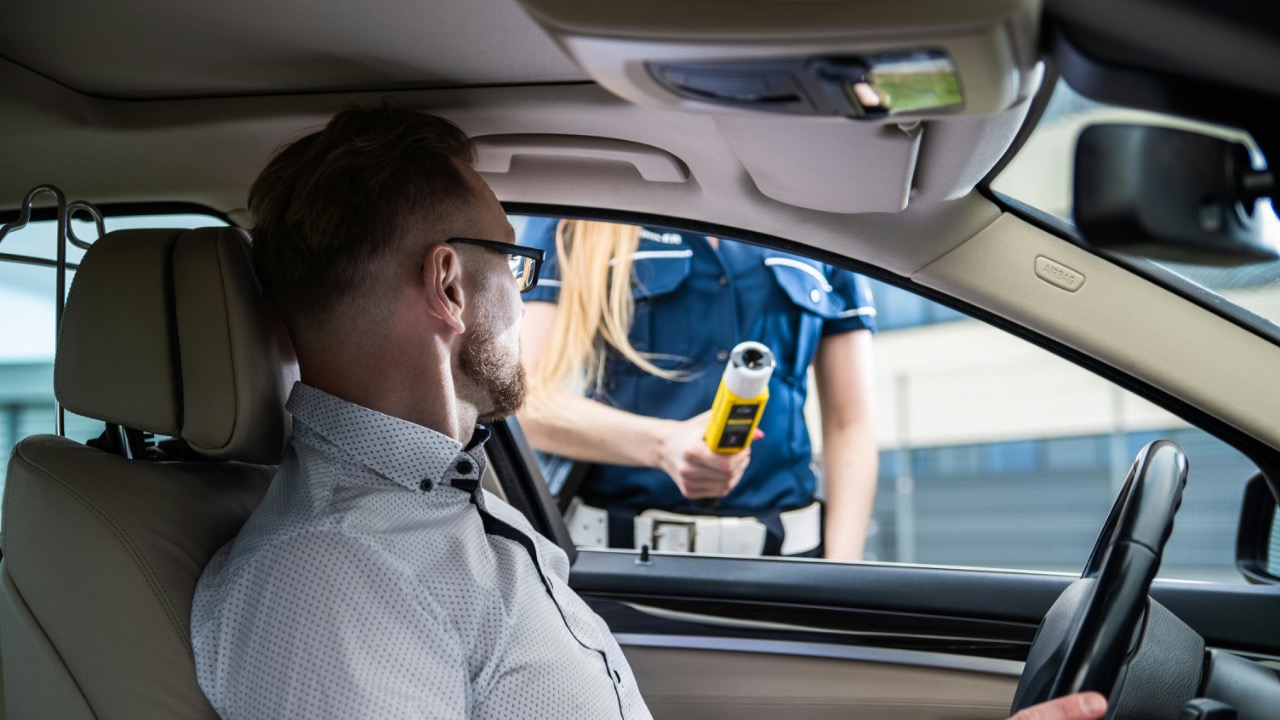
In the modern DUI trial, the first battleground is often the breathalyzer itself. Prosecutors present a blood alcohol concentration number as if it were a simple fact, yet the devices rely on assumptions about human physiology, infrared or fuel cell technology, and strict calibration protocols that can easily be mishandled. Detailed discussions of breathalyzer science explain that factors such as mouth alcohol, temperature, and improper maintenance can skew results, giving defense lawyers a technical foothold to argue that a reading is not automatically reliable.
I have watched that scientific debate change how judges think about these machines. Rather than assuming that a digital display is the final word, courts are more willing to hear testimony about calibration logs, operator certification, and whether the device’s software has ever been independently validated. That shift, grounded in the basic chemistry and engineering of alcohol detection, laid the foundation for much larger investigations into systemic problems with DUI testing.
Massachusetts breath test scandals and the 27,000 case reckoning
One of the clearest examples of a systemic reckoning came from Massachusetts, where scrutiny of breath testing did not stop at a single traffic stop. Reporting on the Draeger Alcotest 9510, the primary device used in the state, showed how questions about software, calibration, and record keeping snowballed into a statewide crisis. Earlier coverage of the Draeger Alcotest 9510 in Massachusetts cases describes how defense lawyers unearthed problems that called thousands of results into question.
The scale of that fallout became unmistakable when a Court Ruling from the Massachusetts Supreme Judicial Cour prompted a review of an estimated 27,000 Faulty Breathalyzer Tests. Analysis of that 27,000 Faulty Breathalyzer in Massachusetts explains how people who had already pleaded or been convicted were suddenly told their cases might rest on tainted evidence. I see that episode as a turning point: it showed that challenges to breath tests were not just technical quibbles but could force courts to revisit thousands of convictions.
The Commonwealth vs. Ananias and a new framework for old OUI cases
Behind those numbers in Massachusetts sat a crucial piece of litigation that I view as a template for reexamining old DUI cases. The Commonwealth vs. Ananias proceeding focused on whether the state’s Office of Alcohol Testing had properly disclosed problems with its instruments and procedures. According to a detailed analysis of that litigation, The Commonwealth vs. Ananias exposed withheld information and forced the courts to grapple with how to treat breath test evidence that had been admitted without full disclosure of its weaknesses.
The state’s highest court then had to decide what to do with people who had already pleaded guilty or been found guilty based on those tests. A later discussion of a new framework for assessing convictions impacted by that misconduct explains how the SJC evaluated whether defendants could show a link between the flawed practices and their own cases, and how some motions were denied when that nexus was missing. In that analysis of breath test litigation, I see a blueprint for courts that now face similar scandals: identify the misconduct, define a standard for relief, and then work through the backlog case by case rather than pretending the problem never existed.
New Jersey’s Alcotest crisis and “Over 20,000” convictions in doubt
Massachusetts is not the only state where a single device model became the center of a legal storm. In New Jersey, the Alcotest machine faced its own reckoning when questions arose about whether required calibration procedures had been followed. A detailed review of that litigation explains that Over 20,000 New Jersey Convictions May Now Be Invalid because the state could not prove that a key calibration step had been properly documented. The account of how the New Jersey Supreme Court handled State v. Eil shows how a single officer’s failure to follow protocol on the Alcotest created a ripple effect through thousands of cases.
When I read that On November the New Jersey Supreme Court decided State v. Eil, I see more than a technical dispute about paperwork. The court effectively acknowledged that the reliability of Alcotest readings depends on a chain of human actions, and that if the state cannot show the machine was operating properly, then the resulting convictions rest on shaky ground. The summary of New Jersey Convictions makes clear that courts are willing to revisit outcomes when the foundational science and procedures behind DUI tests are exposed as unreliable.
Ramsay’s 73 thrown out tests and the power of maintenance records
Not every transformative investigation starts with a statewide scandal. Sometimes, as I have seen, it begins with a single lawyer asking for paperwork that no one expected to see. In one widely discussed case, DWI defense attorney Ramsay requested maintenance records for an alcohol testing device while defending two clients. The story of how Ramsay used those records shows that the device had not been maintained according to the manufacturer’s schedule, which opened the door to challenging its readings across multiple prosecutions.
The result was dramatic: a court ultimately threw out 73 breath tests, a number that signaled to other defense lawyers that meticulous discovery could pay off. The account of how a DUI lawyer gets tests suppressed describes this as The Discovery That Changed Everything, and I understand why. It demonstrated that even without a statewide investigation, targeted challenges to maintenance and calibration can unravel dozens of cases and force agencies to tighten their procedures.
UIC cannabis lab misconduct and the 45 FOIA requests
Alcohol tests are not the only DUI evidence under fire. As cannabis laws changed, police and prosecutors increasingly turned to blood and urine tests to prove impairment, and that shift brought forensic toxicology labs into the spotlight. One of the most striking examples I have seen involves a forensic toxicology lab at the Univer of Illinois Chicago, where reporting described fake science, faulty methods, and misleading testimony in cannabis DUI cases. That investigation into a Rogue UIC lab showed how lab analysts overstated their ability to link THC levels to impairment, which misled courts about what the numbers actually proved.
The depth of that reporting matters for how I think about courtroom challenges. Journalists submitted more than 45 Freedom of Information Act requests and conducted over 100 interviews to reconstruct what happened inside the lab and in courtrooms that relied on its testimony. A detailed section of that months long investigation explains how the lab’s work was presented in inaccurate and misleading ways. For defense lawyers, that kind of documented misconduct is a roadmap for cross examination and for broader challenges to the admissibility of cannabis DUI test results.
Supreme Court limits on blood draws and the role of Missouri v. McNeely
Scientific challenges are only half the story. I have also watched constitutional rulings reshape how DUI testing is conducted and challenged. The Supreme Court’s decisions in Missouri v. McNeely and Birchfield v. North Dakota made clear that, in most circumstances, law enforcement needs a warrant before forcibly drawing blood from a DUI suspect. A detailed explanation of how The Supreme Court approached those cases shows that the natural dissipation of alcohol in the bloodstream does not create an automatic exception to the warrant requirement, which gives defense lawyers a powerful tool to suppress unlawfully obtained blood evidence.
Those rulings filtered quickly into trial strategy. One analysis of Missouri and Birchfield explains how lawyers now scrutinize not only the chain of custody for blood samples but also the legal basis for the draw itself. Another discussion of implied consent laws notes that All 50 states have enacted statutes that deem drivers to have consented to testing, but the Supreme Court has held that criminal penalties for refusing a blood test can violate the Constitution. That analysis of All 50 states shows how constitutional doctrine now intertwines with scientific evidence in almost every serious DUI case.
Nevada, Josh Tomsheck, and the spread of McNeely-based challenges
Once the Supreme Court set those limits, I saw lawyers across the country start to use them aggressively. In Nevada, for example, defense attorney Josh Tomsheck has built a practice that leans heavily on Missouri v. McNeely to challenge the validity of blood test evidence. A detailed discussion of How Josh Tomsheck Can Help explains that he has successfully argued that nonconsensual blood draws without a warrant violate the Fourth Amendment and that DUI suspects are entitled to the same protections as any other search target.
The Nevada experience shows how quickly a Supreme Court decision can change day to day practice. A broader overview of how U.S. Supreme Court and Nevada Supreme Court decisions have shaped DUI defense notes that lawyers now routinely question whether officers truly had exigent circumstances to bypass a warrant, and whether implied consent warnings were properly given. In that context, I see Josh Tomsheck and similar lawyers as key figures translating abstract constitutional doctrine into concrete suppression motions that can gut the prosecution’s case.
From individual errors to systemic forensic failure
What ties these episodes together for me is how they expose a deeper pattern in forensic science. It is tempting to blame each scandal on a few bad actors, whether a careless Alcotest coordinator or a single rogue analyst. Yet scholarship on scientific literacy in the courts argues that the problem could not simply be blamed on a few bad apples among forensic examiners, because some of the most widely used techniques were never shown to be scientifically valid in the first place. That critique of scientific ignorance in the courts helps explain why DUI testing, with its mix of complex instruments and legal shortcuts, has been so vulnerable.
At the same time, constitutional commentary reminds me that Targets of criminal investigations have a variety of rights that limit the power of state authorities to gather evidence of wrongdoing. A detailed analysis of those Targets ofprotections shows that DUI suspects are not second class citizens simply because the charge involves driving. When I combine that constitutional framework with the mounting evidence of flawed science, I see why modern DUI defense is so focused on challenging tests: the law now recognizes both that the state must follow strict procedures to obtain samples and that the science behind those samples must be rigorously examined before a conviction can stand.

Leo’s been tracking game and tuning gear since he could stand upright. He’s sharp, driven, and knows how to keep things running when conditions turn.