Iran Maintained an Estimated 1,900 Tanks Before the Conflict, Military Assessments Show
You get a clear picture from those pre-conflict evaluations. U.S. defense analysts tracked Iran’s ground forces closely for years and settled on roughly 1,900 tanks across its inventory. The number reflected decades of careful accumulation, even as external pressures mounted. It captured everything from older imported models to newer domestic efforts, all pieced together under tight constraints. What stands out is how Iran kept this armored strength intact right up to the outbreak of hostilities, relying on its own ingenuity where foreign purchases became impossible.
The estimate that shaped outside views
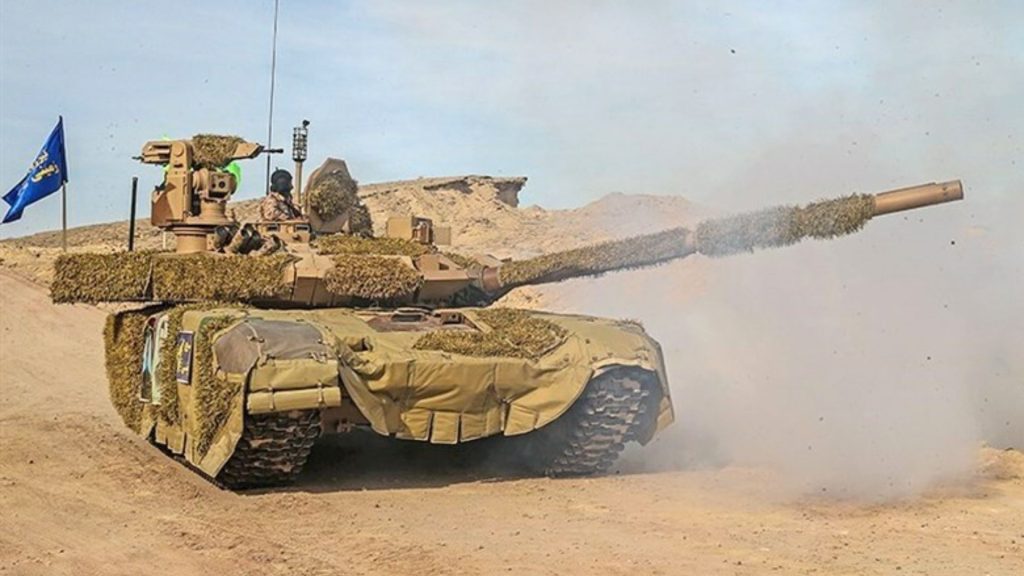
Military observers relied on a range of intelligence sources to arrive at the 1,900 figure. Open-source data, satellite imagery, and occasional glimpses from Iranian parades all fed into the calculation. The Defense Intelligence Agency report from a few years earlier provided the most consistent baseline, and later reviews found little reason to revise it dramatically. Secrecy around exact operational readiness made precision difficult, yet the broad total held steady in assessments. You notice how analysts treated the number as a reasonable benchmark rather than an exact count, acknowledging the gaps that always exist with closed societies.
That approach helped frame broader discussions about Iran’s conventional capabilities. It underscored the scale of its armored investment without overstating what could actually roll into battle on short notice.
A diverse collection of main battle tanks
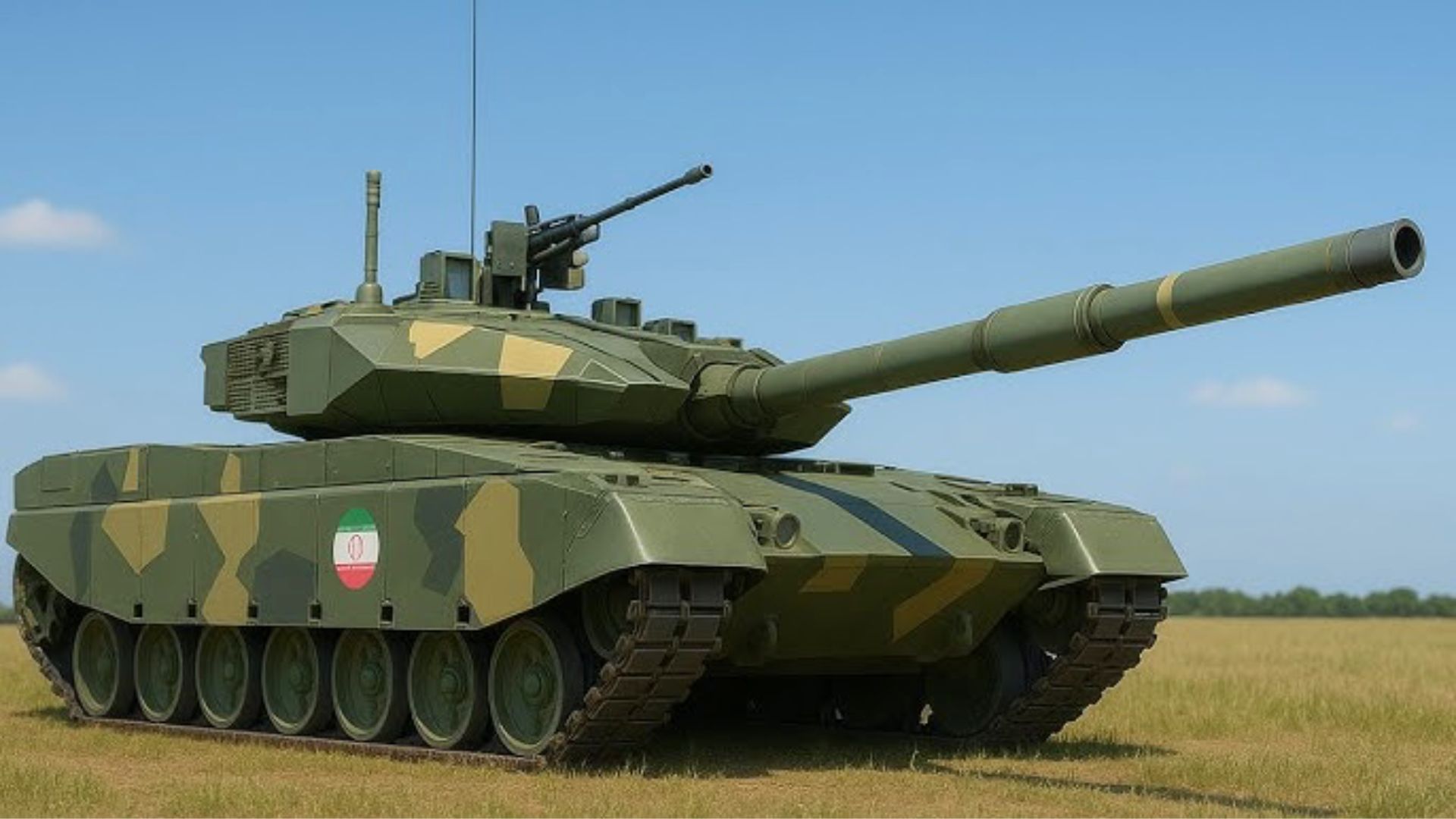
Iran’s fleet drew from several origins, creating a layered mix of capabilities. Soviet-designed T-72 variants formed the backbone, with hundreds in service after local assembly and upgrades. Older T-62 and modernized T-55 derivatives added depth, often fitted with Iranian improvements to extend their usefulness. British Chieftains, acquired before the revolution, had been reworked into the Mobarez standard, while American M60s received similar local attention through the Samsam program.
This variety gave commanders options across different terrains and mission types. It also meant maintenance teams dealt with a patchwork of parts and systems, requiring constant adaptation.
Western models that survived the embargo
Pre-1979 imports still played a role in the inventory leading up to the conflict. The Chieftains and M60s, once part of a much larger planned force, numbered in the low hundreds after years of upgrades. Iranian engineers focused on fire-control tweaks, armor patches, and engine reliability to keep them viable. Many of these tanks had seen limited action over the decades, yet crews maintained them through careful husbandry and scavenged components.
The presence of these older Western designs highlighted a long-term strategy of preservation. Rather than discard them, Iran invested resources to stretch their service lives well beyond original expectations.
Domestic designs that filled the gaps
Local industry stepped up with entirely Iranian tanks to offset import shortages. The Zulfiqar series, built around proven foreign chassis with new turrets and guns, entered production in meaningful numbers. Later came the Karrar, a more advanced project that incorporated lessons from earlier efforts and aimed for higher performance standards. Light tanks like the Tosan added mobility options for specific roles where heavier armor was less practical.
These programs reflected a deliberate shift toward self-sufficiency. Engineers reverse-engineered foreign technology and adapted it to available materials and manufacturing capacity.
Upgrades that extended service life
Iran poured effort into modernizing existing platforms rather than starting from scratch each time. T-72 fleets received new electronics, reactive armor kits, and improved fire control in batches. Similar packages went to the M60 and Chieftain lines, with the Soleiman-402 upgrade announced for the M60 fleet as one of the more recent examples. Workshops across the country handled these projects, often blending imported sensors with locally produced components.
The result was a fleet that looked older on paper but performed better in practice than raw age might suggest. Commanders gained incremental improvements without the need for wholesale replacement.
Split responsibilities across military branches
The tanks did not belong to a single command. Regular army units held the majority, organized into armored formations trained for conventional engagements. The Islamic Revolutionary Guard Corps maintained its own parallel inventory, emphasizing rapid response and integrated operations with other assets. Both organizations used overlapping equipment types, which simplified logistics to some degree but also created coordination demands during large-scale maneuvers.
This division allowed Iran to prepare for different threat scenarios. It spread risk while ensuring armored forces could support either defensive stands or more aggressive counter-moves.
Readiness questions that lingered
Even with careful management, the fleet faced ongoing hurdles. Many tanks dated back decades, and sanctions limited access to advanced spares. Crew training emphasized maintenance alongside tactics, yet full readiness rates remained a point of discussion among outside watchers. Exercises helped identify weak spots, and units rotated through repair cycles to keep as many vehicles mission-capable as possible.
The pre-conflict picture was one of pragmatic sustainment. Iran accepted certain limitations in exchange for preserving overall numbers and operational familiarity.
How the armored force fit the larger picture
Tanks anchored Iran’s ground doctrine even as missiles and drones drew more attention. The 1,900-unit inventory provided a conventional deterrent and a foundation for territorial defense. Planners integrated armor with artillery, infantry, and air-defense networks to create layered responses. In the years before the conflict, this approach signaled that Iran intended to contest any ground incursion rather than rely solely on asymmetric tools.
The estimate thus offered a window into a balanced, if resource-constrained, military posture. It showed a country that had built and preserved a sizable tank force through persistence and adaptation.

Asher was raised in the woods and on the water, and it shows. He’s logged more hours behind a rifle and under a heavy pack than most men twice his age.